
If you’re looking for that perfect bowl of warmth that tastes like you spent all day tending a pot, then you need my recipe for Seafood and Vegetable Stew. That’s the magic of the slow cooker, isn’t it? It takes simple ingredients and lets them mingle until they become something spectacular.
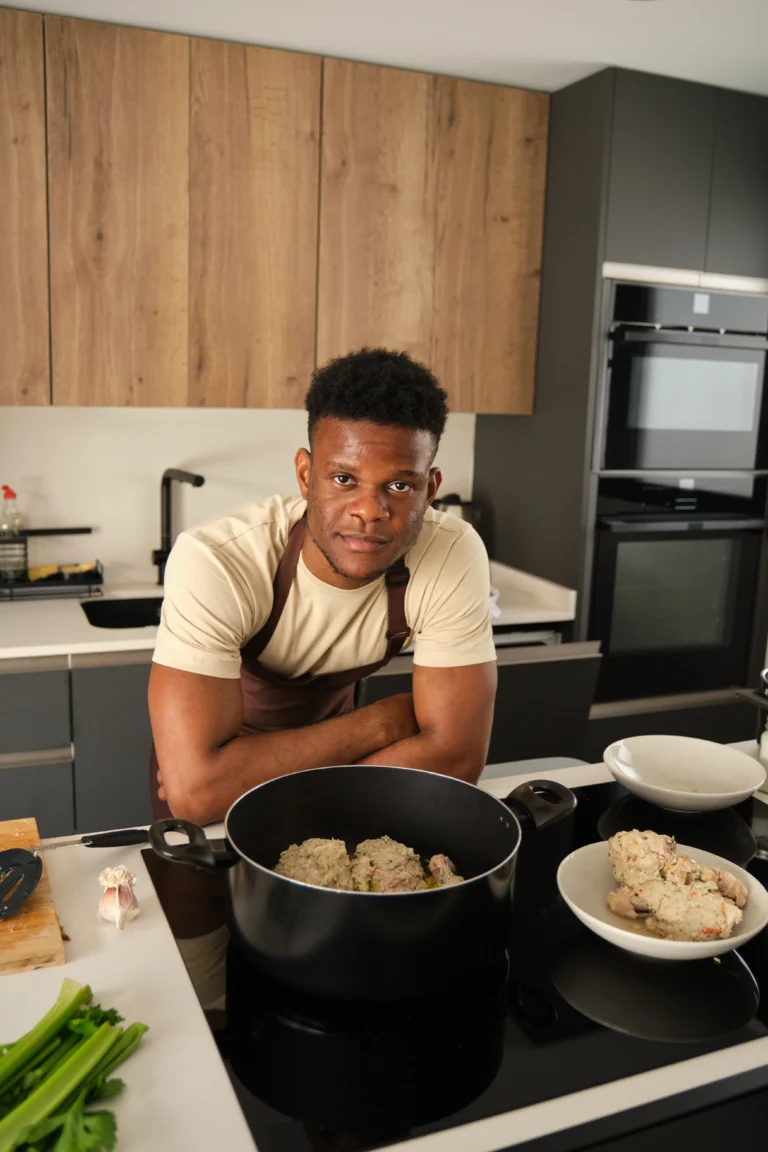
I’m Daniel, and I started Reciqa because cooking for me has always been about more than just putting food on the table; it’s about creating moments of comfort and connection. Whether it’s a big family meal or just a quiet Tuesday night, good food brings people together. This stew is the definition of easy comfort food. The slow cooker does all the heavy lifting, letting those deep, savory flavors bloom without you having to hover over the stove.
We’re using tender white fish and shrimp nestled among hearty vegetables. Trust me, once you taste how rich this stew gets with minimal effort, you’ll be making it every time you need a hug in a bowl!
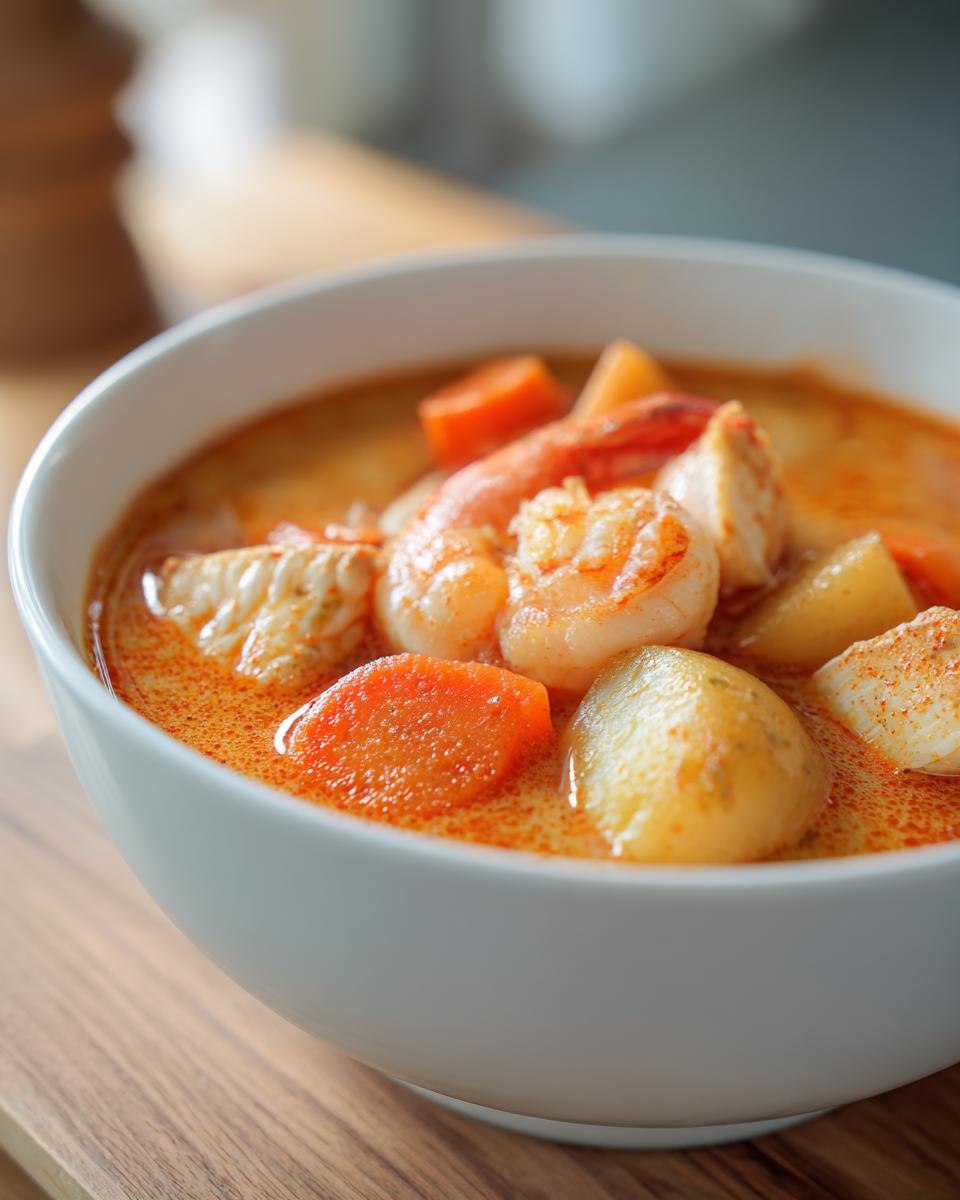
Gathering Your Ingredients for Seafood and Vegetable Stew
Getting ready for this Seafood and Vegetable Stew is half the fun, and honestly, it’s mostly chopping! Because we’re slow-cooking this, everything needs to be ready to go when it hits the pot. Precision matters here, especially when it comes to the seafood. We want that perfect texture at the end, so don’t skimp or substitute the main stars.
Don’t worry if you don’t have everything measured out perfectly to the milligram, but having things prepped saves so much time later. I always lay everything out on my counter before I even turn the slow cooker on—it keeps me calm!
Essential Components for This Seafood and Vegetable Stew
When you’re buying your seafood, aim for firm white fish, like cod or haddock, cubed nicely. For the shrimp, make sure they are peeled and ready to go. The quality of your broth makes a huge difference, so use the best fish or vegetable broth you can find, as it forms the entire base of our stew flavor.
| Item | Quantity |
|---|---|
| White Fish, cubed | 1 lb |
| Peeled Shrimp | 1 lb |
| Broth (Fish or Vegetable) | 4 cups |
| Carrots, chopped | 3 medium |
| Potatoes, diced | 2 cups |
| Onions, diced | 2 cups |
Equipment Needed for Your Seafood and Vegetable Stew
Since this is a slow cooker recipe, your main piece of equipment is obvious, but you do need a few other things for the prep work. You’ll need a good skillet for browning the seafood and sautéing those lovely aromatics—don’t skip that step, it really boosts the flavor!
- Your trusty Slow Cooker (at least a 5-quart size works best for this batch).
- A large skillet for initial browning.
- A sturdy cutting board and knife for all that chopping.
- A small bowl for mixing your optional cornstarch slurry later on.
Preparing the Seafood and Vegetables for This Seafood and Vegetable Stew
Okay, this is where we build the foundation of flavor before the slow cooker takes over. Browning the seafood might seem like an extra step when you’re using a slow cooker, but trust me, it’s not optional! We want a little color and texture on that fish and shrimp before they simmer away for hours. It locks in so much more taste.
We’re not trying to cook these through, just give them a beautiful, quick sear. This technique is what separates a watery stew from one that tastes like it simmered on the stovetop all day long.
Initial Steps: Seasoning and Searing the Seafood
First things first: grab that cubed white fish and the peeled shrimp. We need to season them up right. Think simple here: salt, pepper, and a nice dusting of paprika. Then, toss everything gently with just a little bit of flour. This flour coating is key—it helps create a tiny crust when searing and actually helps thicken the stew later on, even if you skip the cornstarch!
Heat up your olive oil in that skillet over medium-high heat. You want it shimmering. Sear the seafood quickly, just until it’s lightly golden on the outside. Don’t crowd the pan, or it will steam instead of brown. Once you get that nice color, move it straight away into the bottom of your slow cooker insert. That lovely browned seafood is our flavor base!
Building Flavor: Sautéing Aromatics
Now, don’t wash that skillet! We need those tasty browned bits left over. Drop in the remaining 1.5 tablespoons of butter. Once it melts, toss in your diced onions and minced garlic. Sauté this mixture until the onions are soft and translucent—maybe five minutes or so. You’ll know it’s working because the air in your kitchen will start smelling amazing.
This gentle sautéing of the garlic and onions releases their essential oils and sweetens them up perfectly. If you just dumped raw garlic into the slow cooker, it can sometimes taste sharp or metallic later. We want smooth, rich flavor here. Once they’re soft, scrape those beautiful onions and garlic into the slow cooker right on top of the seafood. Now we are ready for the liquids!
Step-by-Step Cooking the Seafood and Vegetable Stew
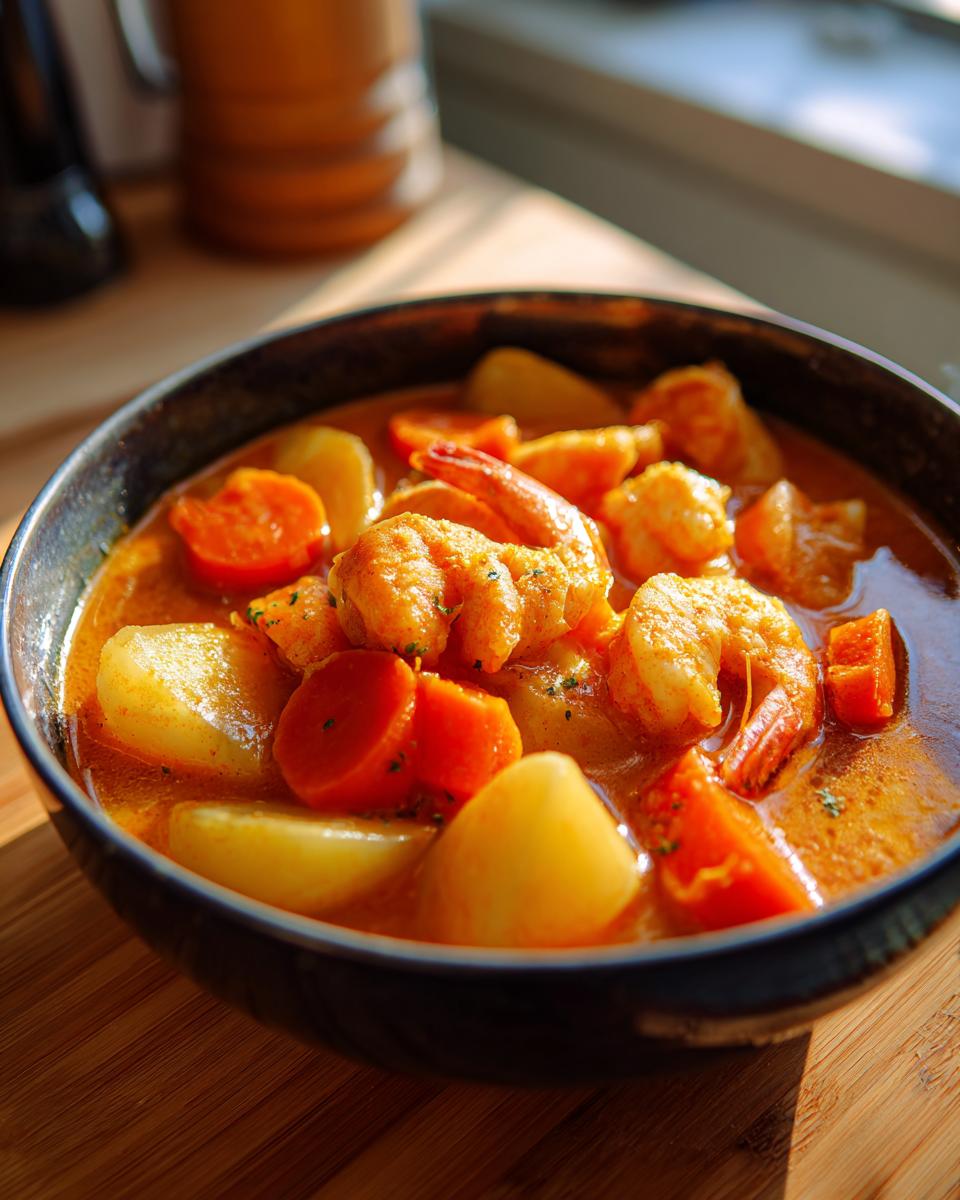
We’ve done all the hard work building flavor by searing the seafood and softening our aromatics. Now, we let the slow cooker do the heavy lifting! This is where the real magic happens in creating a truly deep, comforting Seafood and Vegetable Stew without spending hours over a hot stove. Remember, the base flavors need time to marry together properly.
Combining Base Ingredients in the Slow Cooker
With your seasoned, lightly browned fish and shrimp, plus the sautéed onions and garlic sitting in the slow cooker insert, it’s time to add the rest of the hearty stuff. Pour in those four cups of broth—use the good stuff we talked about! Next, stir in your two tablespoons of tomato paste. This adds body and a lovely subtle sweetness that balances the savory broth.
Now, add your chopped carrots and diced potatoes. These root vegetables need a good amount of time to get tender, which is why they go in now. Finally, tuck in your bay leaves and that sprig of fresh parsley. Give everything a good, gentle stir to make sure the tomato paste is mostly dissolved into the liquid. Put the lid on tight and let it start its work!
The Slow Cooking Process for Tender Seafood and Vegetable Stew
Set your slow cooker to LOW and let it go for about four to five hours. That’s the standard cooking time for the potatoes and carrots to become perfectly soft. But here’s where you need to pay attention, because seafood cooks lightning fast! If you put the fish and shrimp in at the beginning, they might turn rubbery or even start to fall apart by the time the vegetables are done.
For the absolute best, most tender texture in your Seafood and Vegetable Stew, I highly recommend waiting. About one hour before you plan to serve dinner—maybe hour three or four if you’re cooking on low—open the lid and gently nestle the seasoned fish and shrimp into the stew. They only need that last hour to cook through perfectly. This way, you get hearty vegetables and delicate, melt-in-your-mouth seafood.
Finalizing Thickness and Adding Peas
Once your cooking time is almost up and your seafood looks opaque and firm, it’s time for the final touches. First, toss in your cup of frozen peas. They are already blanched, so they just need about ten minutes to heat through and stay bright green. Don’t add them earlier, or they turn that sad, dull color!
Now, about thickness! If you like a thinner, soupier stew, you can stop right here after stirring in the peas. But if you want that classic, slightly coat-the-spoon texture, we need the slurry. In a separate small bowl, quickly mix that 1/4 cup of cold water with the 3 tablespoons of cornstarch until it’s smooth—no lumps! Slowly drizzle this slurry into the simmering stew while stirring constantly. Let it bubble gently for a few minutes until it thickens up. Right at the very end, for unbelievable richness, swirl in that last 1.5 tablespoons of cold butter until it melts away. That’s pure decadence!
Tips for a Perfect Seafood and Vegetable Stew
I’ve made this stew countless times, and I’ve learned a few things that really take it from good to absolutely fantastic. When you’re working with seafood in a slow cooker, timing is everything, and sometimes you need to adjust the consistency based on how you like your soup. Don’t worry about getting it exactly right the first time; these little tips will build your confidence fast!
Adjusting Texture: Thickening Your Seafood and Vegetable Stew
You’ll notice I made the cornstarch slurry optional, and that’s because I know some people prefer a lighter broth. If you skip the cornstarch mixture entirely, your stew will definitely be thinner, more like a rich, flavorful broth you’d want to soak up with crusty bread. That’s perfectly fine, especially if you used a high-quality, flavorful broth to begin with! If you are looking for bread ideas, check out this artisan bread recipe.
However, if you want that classic, hearty stew texture that clings to the potatoes and fish, use the slurry. Remember to mix the cornstarch with cold water first—never dump it straight into hot liquid or you’ll get white clumps. Swirling in that final bit of cold butter right at the end, after thickening, is my secret for giving the stew an amazing sheen and mouthfeel. Don’t skip that swirl!
Timing the Seafood Addition for Best Results
This is the most important piece of advice for this recipe, so listen up! Shrimp and flaky white fish are incredibly delicate. If you toss them in at the beginning with the potatoes and carrots, they’ll be tough, dry, or completely shredded by the time the vegetables are tender. That’s just not what we want in our Seafood and Vegetable Stew.
My rule of thumb is to add the seasoned seafood during the last hour of cooking on low. That’s plenty of time for them to cook through gently while retaining all their moisture. If you’re truly worried about overcooking, set your timer for 4.5 hours total, and only add the seafood in the last 30 minutes. It ensures you get that melt-in-your-mouth tenderness every single time.
Serving Suggestions for Your Seafood and Vegetable Stew
This Seafood and Vegetable Stew is wonderfully hearty all on its own, packed with fish, shrimp, and veggies. But every great stew deserves a perfect partner for soaking up that incredible broth! You don’t need anything complicated here; simple sides let the stew shine.
For me, nothing beats a thick slice of crusty sourdough bread. You can toast it lightly or even rub it with a cut clove of raw garlic for an extra punch of flavor right before serving. If you want something a little softer, some warm biscuits are fantastic for dipping. For a lighter side, consider a simple green salad.
If you need a lighter accompaniment, a small, simple green salad tossed with a bright lemon vinaigrette cuts through the richness perfectly. Keep the sides easy, so you can spend more time enjoying that big, warm bowl!
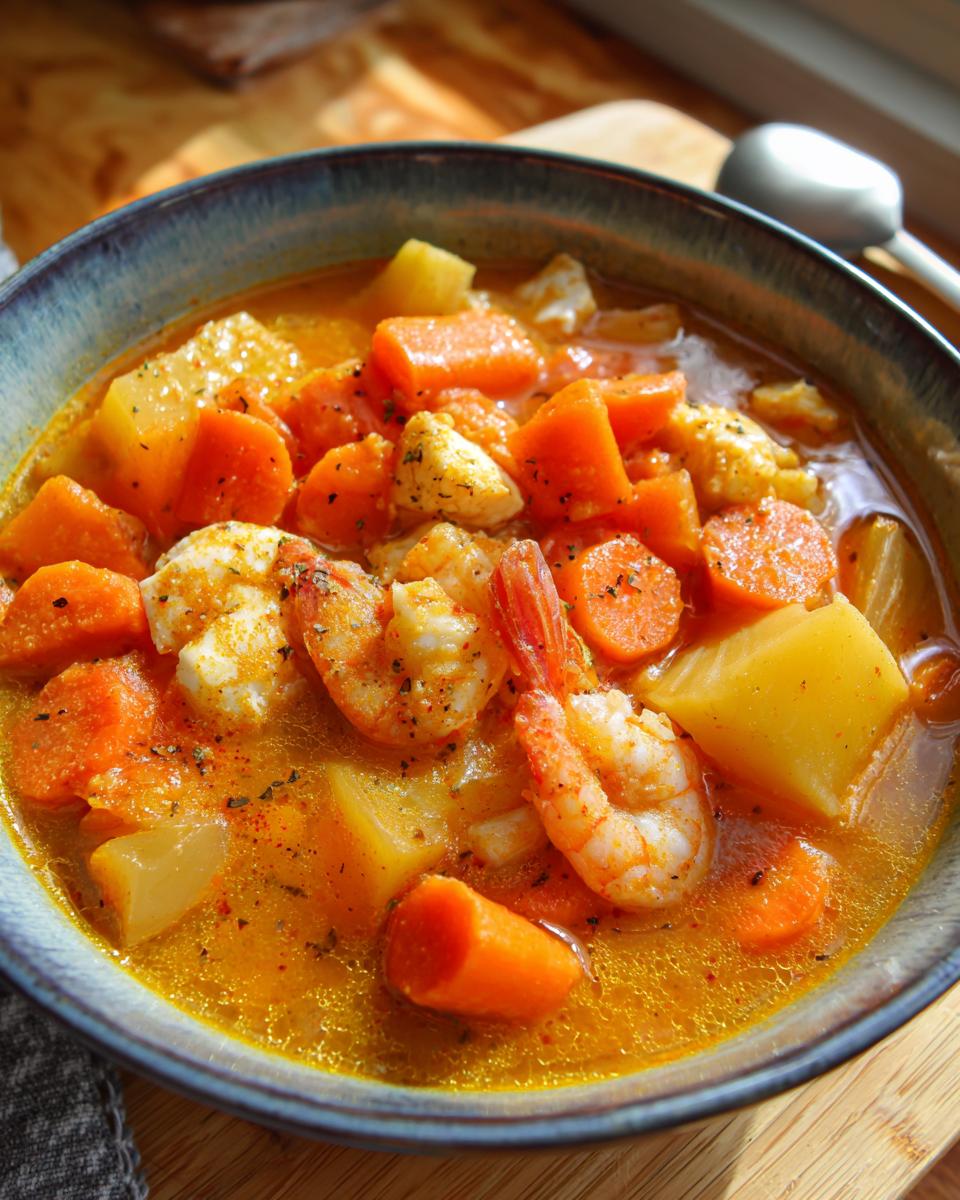
Storing and Reheating Leftover Seafood and Vegetable Stew
The best part about a big, comforting stew like this? The leftovers are often even better the next day! When the flavors have a chance to settle overnight, everything tastes deeper and more complex. But because we’re dealing with seafood, we have to be a little careful about storage and reheating to keep everything safe and tasty.
I always recommend cooling the stew down quickly before putting it away. Don’t leave a big pot sitting on the counter for hours. You want to get it into the fridge within two hours of it being done cooking. If you know you’re making extra, you can even remove the seafood before you thicken the stew, store the vegetable base, and then add fresh or quickly thawed seafood when you reheat a smaller portion later. For general food safety guidelines, always check resources like the FDA website.
Storage Guidelines for Your Leftover Stew
Seafood doesn’t last as long as beef or chicken in the fridge, so keep an eye on the timeline. I use airtight containers—glass containers are my favorite because they heat up evenly later on.
| Storage Method | Duration |
|---|---|
| Refrigerator (Airtight Container) | Up to 3 days |
| Freezer (Freezer-safe container) | Up to 2 months |
If you freeze it, make sure you leave a little headspace in the container, as liquids expand when they turn to ice!
Reheating Your Seafood and Vegetable Stew
When you’re ready to eat those leftovers, the stovetop is always the best way to go for even heating. Pour the amount you want into a saucepan over medium-low heat. Stir frequently, especially if you thickened it with cornstarch, to prevent the bottom from scorching.
Avoid the microwave if you can, because it tends to heat seafood unevenly, which can make the shrimp tough. If you absolutely must use the microwave, heat it in short, 60-second bursts, stirring well between each interval until it’s steaming hot all the way through. Taste it before serving, and add a splash of water or extra broth if it seems too thick after chilling!
Frequently Asked Questions About This Seafood and Vegetable Stew
I get so many questions about this recipe because everyone wants their Seafood and Vegetable Stew to turn out perfectly—and it will! The slow cooker is forgiving, but a few tricks can make the difference between a good dinner and an amazing one. Here are some of the things I hear most often when people are trying this easy dinner for the first time.
Can I use frozen vegetables in this Seafood and Vegetable Stew?
Absolutely, you can! If you’re using frozen carrots or potatoes instead of fresh, you might want to reduce the cooking time slightly, maybe start checking at the 3.5-hour mark. The main thing to watch out for is frozen peas—we already talked about adding those at the end, so stick to that rule no matter what! Just ensure any frozen root vegetables go in right at the start with the fresh ones.
What type of white fish works best for this slow cooker recipe?
When it comes to the white fish, you need something firm that won’t disintegrate into mush after simmering. I always reach for cod or haddock because they hold their shape beautifully. Halibut is wonderful if you want to splurge a little. Avoid very delicate fish like sole, as they tend to break apart too much during the long cooking process, even if you add them late.
How do I adjust the salt and pepper in this Seafood and Vegetable Stew?
This is so important! Since we are using broth, which can vary wildly in sodium content, you must taste before serving. I always err on the side of less salt at the beginning. Once the stew has cooked down, taste a spoonful. If it tastes a little flat, add a small pinch of salt and pepper, stir well, let it simmer for five minutes, and taste again. You can always add more, but you can’t take it out!
Sharing Your Seafood and Vegetable Stew Experience
I truly hope this recipe brings as much comfort to your kitchen as it does to mine. I put my heart into making sure these slow cooker meals are simple but packed with flavor. Once you’ve tried this hearty Seafood and Vegetable Stew, I’d love to hear what you thought!
Did you add anything special? Did you skip the thickener? Drop your rating and let me know in the comments below. Your feedback helps us all cook better together!
Print
Amazing 4-hour Seafood and Vegetable Stew
- Total Time: 4 hours 50 minutes
- Yield: 6 servings
- Diet: Low Fat
Description
Slow Cooker Seafood and Vegetable Stew. This recipe delivers a flavorful, comforting stew with tender white fish and shrimp, slow-cooked with vegetables for deep taste.
Ingredients
- 1 lb white fish, cubed
- 1 lb peeled shrimp
- ½ teaspoon black pepper
- ½ teaspoon salt
- ½ teaspoon paprika
- ¼ cup flour
- 3 tablespoons olive oil
- 3 tablespoons cold butter, divided
- 2 cups onions, diced
- 4 cloves garlic, minced
- 4 cups fish or vegetable broth
- 2 tablespoons tomato paste
- 3 medium carrots, chopped
- 2 cups diced potatoes
- 2 bay leaves
- 1 sprig parsley
- 1 cup frozen peas
- ¼ cup Cold Water + 3 tablespoons Corn Starch, Optional
Instructions
- Season fish and shrimp with pepper, salt, and paprika. Toss with flour.
- Brown the seasoned seafood lightly in olive oil. Transfer the seafood to the slow cooker.
- Sauté onions and garlic in 1.5 tablespoons of the butter. Transfer the cooked aromatics to the slow cooker.
- Add the broth, tomato paste, carrots, potatoes, bay leaves, and parsley to the slow cooker. Stir to combine.
- Cook on low for 4 to 5 hours. Seafood cooks quickly, so add it later if you prefer.
- Add peas during the last 10 minutes of cooking.
- If you want a thicker stew, mix the cornstarch and cold water. Stir this mixture into the stew, then swirl in the remaining 1.5 tablespoons of butter before serving.
Notes
- Seafood cooks quickly. You may wish to add the fish and shrimp in the last hour of cooking for the most tender texture.
- If you omit the cornstarch, the stew will be thinner.
- Taste and adjust salt and pepper before serving.
- Prep Time: 20 minutes
- Cook Time: 4 hours 30 minutes
- Category: Main Dish
- Method: Slow Cooker
- Cuisine: American