
If you’ve ever thought that making truly fantastic, silky **Homemade Pasta** was only something reserved for Italian grandmothers or fancy restaurants, I’m here to change your mind right now! Seriously, it’s one of the most rewarding things you can do in the kitchen, and it requires shockingly few ingredients.
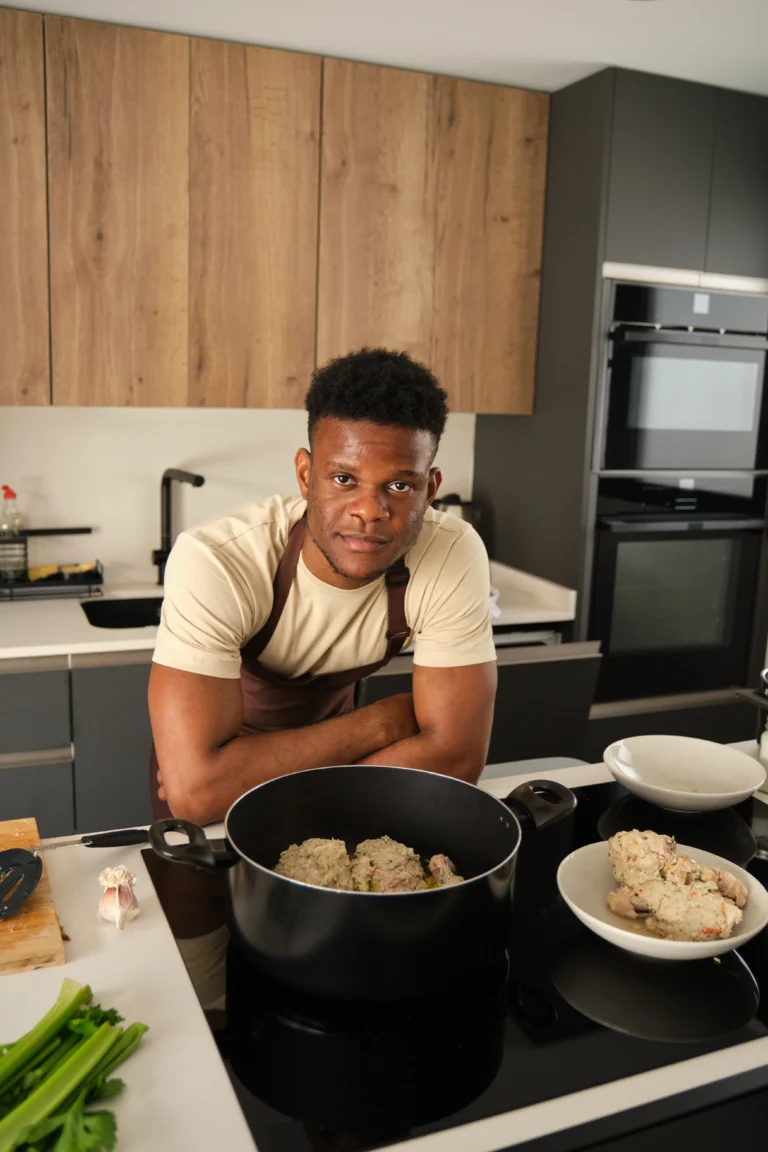
My name is Daniel, and I started Reciqa because I truly believe that cooking should never feel like a chore. For me, food has always been about spreading good vibes—whether I’m making a quick weeknight meal or trying out a slightly more ambitious weekend project. My goal here is simple: to share recipes that are genuinely tasty, totally accessible, and bring a little bit of joy to your everyday routine. No fuss, just good food meant for sharing.
That philosophy really shines through in this recipe. We’re ditching the stiff, dry stuff from the supermarket shelf and making incredible fresh pasta from scratch using only flour and eggs. It’s fast, it’s fun, and once you taste the difference, you’ll never look back. Trust me, your favorite sauce is begging for this upgrade!
Why You Will Love Making Homemade Pasta
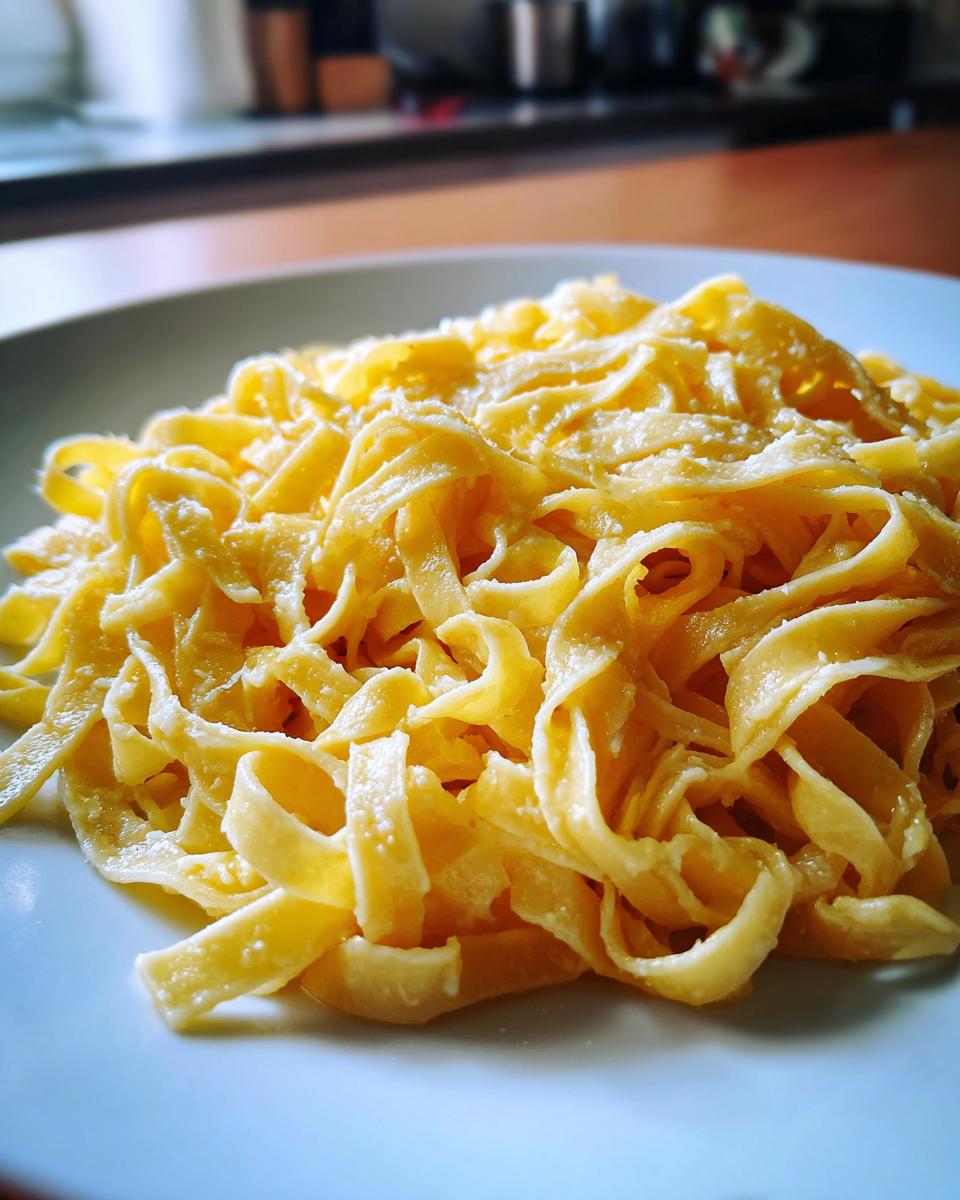
Honestly, the difference between store-bought dry pasta and this fresh batch is night and day. It’s tender, it clings to sauce like a dream, and the flavor is just richer. Don’t let anyone tell you it’s complicated! I promise you, this recipe is faster than running to the store when you realize you’re out of spaghetti for dinner.
The best part is that you only need two main things to make this magic happen. That’s right—flour and eggs! It’s a testament to how simple ingredients can create something truly special when you treat them right. You’ll feel like a culinary genius after just one batch.
Quick Fresh Pasta From Scratch
When I say this is quick, I mean it! Once you mix the dough, it’s mostly hands-off time while it rests. You can easily whip up enough Homemade Pasta for six people in under an hour total. It’s perfect for those weeknights when you want something exciting but don’t have hours to spend simmering sauce.
Simple Ingredients, Big Flavor
Forget the long ingredient list you see on packaged pasta boxes. We are using just three things: flour, eggs, and a little dust for the counter. That’s it! Because there are so few components, the quality of the flour and the richness of the eggs really shine through. It gives you that authentic, slightly chewy texture you just can’t replicate otherwise.
Equipment Needed for Homemade Pasta
Before you dive into the mixing bowl, let’s make sure you have your tools ready. This isn’t fussy equipment, but having these things handy makes the whole process so much smoother. Trust me, nobody wants to stop mid-knead looking for plastic wrap!
Essential Tools
- Large mixing bowl or stand mixer with a dough hook attachment
- Plastic wrap for resting the dough
- A clean, lightly floured work surface
- Rolling pin or a manual/electric pasta machine
- Sharp knife or pizza cutter for slicing
Gathering Ingredients for Homemade Pasta
I love how few things you need to make incredible Homemade Pasta. Honestly, I usually have everything I need sitting in the pantry already! We are focusing on quality here because with only a couple of main players, every ingredient counts. Don’t try to substitute the flour type unless you’re an expert—stick to this plan for the first few tries.
If you look at the list below, you’ll see exactly what you need to get started. It’s all about getting that perfect dough balance before we move on to the fun part: rolling and cutting!
Ingredient Table Overview
Here are the exact amounts I use to get a perfect, elastic dough that yields about six servings. Make sure you have your flour measured out precisely before you start mixing!
Step-by-Step Instructions for Homemade Pasta
Okay, this is where the magic really happens! Don’t rush the mixing, and definitely don’t skip the resting time. That resting period is what allows the gluten to relax so you can roll it out paper-thin later without it fighting you every inch of the way. We are aiming for silky smooth strands of goodness!
Mixing and Kneading Your Homemade Pasta Dough
First things first, get your flour into your bowl. I usually start with my stand mixer because my arms get tired, but if you’re going the traditional route, just make a nice little volcano mound on your counter. Drop those four eggs right into the center crater. Start mixing on the lowest speed—we don’t want a flour explosion all over the kitchen! Once it starts coming together into a shaggy mess, feel the dough.
If it looks crumbly, add water a teaspoon at a time. Seriously, just a splash! If it looks too wet and sticky, add a sprinkle more flour. Once it forms a rough ball, switch that mixer up to medium speed and let the dough hook go to town for a solid five minutes. You need that kneading time to build the elasticity. When you pull it out, it should feel smooth, firm, and not sticky at all. That’s the sign of great Homemade Pasta dough forming!
Resting the Homemade Pasta Dough
This next step is non-negotiable. Take that beautifully kneaded ball of dough, wrap it up tight in plastic wrap—no air exposure allowed!—and tuck it into the fridge. It needs a minimum of 30 minutes to rest. This lets the flour fully hydrate and the gluten relax. If you skip this, the dough will snap back on you like a rubber band when you try to roll it thin. Believe me, I’ve made that mistake!
Shaping Your Fresh Pasta From Scratch
Once rested, take the dough out and divide it into four manageable pieces. Dust your counter liberally—this is your insurance policy against sticking! Take one piece and start rolling. If you have a machine, feed it through the widest setting first, then gradually work your way down. You want it thin enough that you can almost see your hand through it, especially for delicate shapes like tagliatelle.
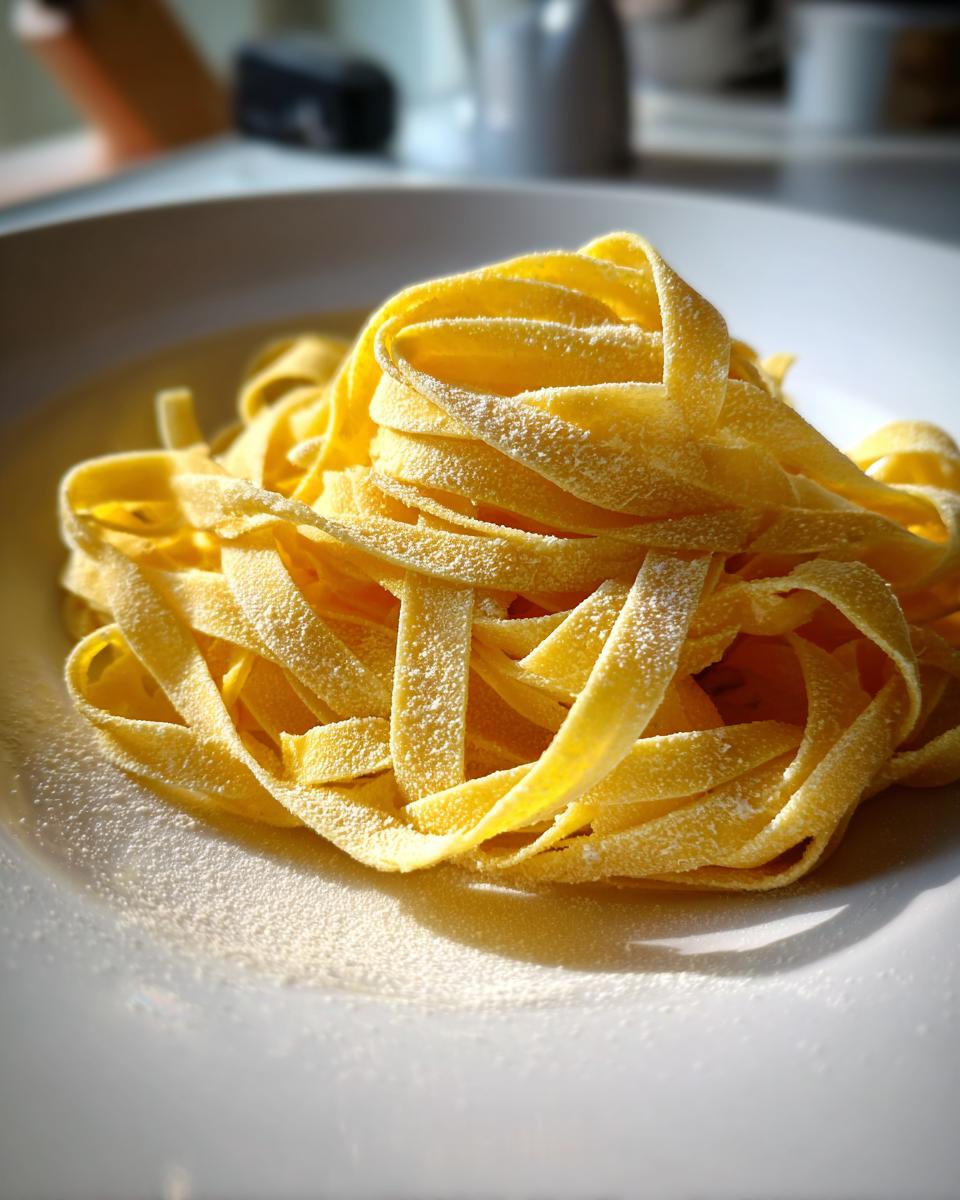
For the flatter shapes, like lasagna sheets or squares for ravioli, just roll it out by hand or by machine until it’s very thin, then use a sharp knife or pizza cutter to slice. If you’re making ribbons, like tagliatelle, roll the sheet up loosely *before* slicing it into half-inch strips. As soon as the strands are cut, give them a good toss in more flour and lay them out gently on a floured surface or hang them up. Don’t let them touch!
Cooking the Homemade Pasta Perfectly
When you’re ready to eat, bring a big pot of water to a rolling, rolling boil. Don’t forget to salt it well—it should taste like the sea! Drop your fresh pasta in. Because it’s fresh, it cooks incredibly fast. Seriously, set a timer for three minutes. When it floats to the top and tastes tender but still has a little bit of a bite (al dente!), it’s done. Drain it right away and toss it straight into your warm sauce. Perfection!
Tips for Perfect Homemade Pasta Results
Even with a simple recipe, a few little tricks can take your pasta from ‘good’ to ‘I can’t believe I made this myself!’ These tips are based on years of making this dough, sometimes when I was tired, sometimes when I was distracted, and these habits always save the day.
It’s all about managing moisture and surface area once the dough is cut. If you get this right, you’ll have silky, restaurant-quality strands ready for sauce in minutes.
Avoiding Sticky Dough
The absolute enemy of fresh pasta is sticking. We talked about flouring the surface before rolling, but you need to keep going! Once you cut your noodles—whether they are fettuccine or little squares—toss them gently but thoroughly in flour. If they are going straight into the pot, a light dusting is fine. If you are setting them aside for more than 15 minutes, you need to be more generous with that flour coating. Clumped pasta turns into one big, sad dough ball when it hits the water.
Achieving the Right Thickness
The thickness you roll your dough to really changes how the final pasta feels in your mouth. For a delicate sauce, like a light butter and sage sauce, you want that dough rolled as thin as possible—almost translucent. But if you are making something hearty, like a rich meat ragu, you can afford to leave it a bit thicker, maybe one setting up from the finest on your machine.
For stuffed pasta like ravioli, you actually need two sheets. Make the bottom sheet slightly thinner than the top sheet, so the filling is the star, not the wrapper. Experimenting with thickness is half the fun of making it yourself! Traditional pasta making techniques often emphasize this precise control.
Storing and Reheating Your Homemade Pasta
So, what happens if you made too much? Because this recipe is so easy, sometimes I accidentally make enough for an army! The good news is that fresh pasta stores beautifully, though the methods change depending on how soon you plan to eat it. You don’t want to waste any of this beautiful egg pasta dough.
You can refrigerate it for a couple of days, but if you want to save it for later, freezing is the best bet. Just make sure you follow the flouring rule religiously before you wrap it up! We’ll lay out the exact times below so you know exactly how long you can keep your delicious creation on hand.
Table for Storage Guidelines
This little chart summarizes the best ways to keep your pasta fresh, depending on your timeline. Remember, always dust generously with flour before storing, especially for freezing!
Common Questions About Homemade Pasta
I get so many questions when people try this recipe for the first time, especially about consistency and storage. It’s totally normal to worry when you’re working with a simple dough, but I promise, once you see how resilient this recipe is, you’ll feel much more confident baking it again and again.
Let’s clear up a few things so your next batch of Homemade Pasta is absolutely perfect. Don’t be shy about asking these questions—we all started somewhere!
How Long Does Homemade Pasta Dough Last?
If you have leftover dough, you can keep it in the fridge for about two to three days. Just make sure it’s wrapped up super tight in plastic wrap so it doesn’t dry out or absorb any fridge smells. If you want to keep it longer, freezing is the way to go! Just make sure you dust those individual noodles or pieces well with flour first.
Can I Make Homemade Pasta Without a Stand Mixer?
Absolutely, yes! My grandmother never owned a stand mixer, and she made the best pasta dough by hand. You just need a strong arm and a clean counter. You’ll likely need to knead for about 8 to 10 minutes by hand to get that same smooth, elastic texture you get from the machine. It’s a great workout, and you really get a feel for the dough! Understanding the science behind gluten development can be helpful when kneading by hand, as detailed by culinary experts.
What is the Best Flour for Homemade Pasta?
For this recipe, sticking with standard all-purpose flour is fantastic, especially for beginners making Homemade Pasta. It gives you that perfect balance of structure and tenderness. If you want to get fancy later on, you can substitute half the all-purpose flour with ’00’ pasta flour, which is finely milled and gives you an even silkier texture, but honestly, the all-purpose works beautifully every single time.
Estimated Nutrition for Homemade Pasta
When you’re making food from scratch, the final nutrition can vary a tiny bit based on humidity and exactly how much flour you use for dusting. But I wanted to give you a good baseline for what you’re looking at per serving for this rich egg pasta. It’s surprisingly wholesome for something so delicious!
Please remember this is an estimate based on the recipe amounts provided. Enjoy it guilt-free!
Nutritional Data Table
| Nutrient | Amount Per Serving |
|---|---|
| Calories | 288 |
| Carbohydrates | 52g |
| Protein | 11g |
| Fat | 3g |
Share Your Homemade Pasta Creations
I’ve shared all my secrets for making perfect Homemade Pasta, and now it’s your turn! I absolutely love seeing what you create—whether you paired it with a simple pesto or a rich mushroom sauce. Please jump down to the comments below, tell me how it went, and don’t forget to rate the recipe! Happy cooking, friends!
Print
Amazing Homemade Pasta in 1 quick batch
- Total Time: 50 minutes
- Yield: 6 Servings
- Diet: Vegetarian
Description
Learn how to make fresh homemade pasta from scratch with just flour and eggs. This recipe is quick, simple, and perfect for weeknight dinners or meal prep.
Ingredients
- 3 1/4 cups all-purpose flour
- 4 large eggs
- Additional flour for dusting
Instructions
- Place the flour in a large mixing bowl or the bowl of a stand mixer.
- Add the eggs to the flour. Mix on low speed with a dough hook until a rough dough forms. Add a splash of water if the dough is too dry or a sprinkle of flour if it is too sticky.
- Increase the speed to medium and knead for 5 minutes until the dough is smooth and elastic.
- Wrap the dough tightly in plastic wrap and refrigerate for at least 30 minutes.
- Divide the dough into four equal pieces. Lightly flour your work surface and roll each piece as thin as possible.
- Cut the dough into desired shapes: rectangles for lasagna, squares for ravioli, or 1/2 inch strips for tagliatelle. Dust the cut pasta with flour to prevent sticking.
- For tagliatelle, loosely roll the dough before slicing, then gently separate the strands.
- Bring a large pot of salted water to a boil. Add the pasta and cook for 3 minutes until it floats to the top and is tender.
- Drain the pasta and serve immediately with your favorite sauce.
Notes
- Make sure every piece of pasta is well-floured to prevent sticking during storage or cooking.
- Optional storage: Refrigerate for 2-3 days, freeze with a dusting of flour, or dry completely for up to a month.
- Prep Time: 20 minutes
- Cook Time: 30 minutes
- Category: Main Dish
- Method: Dough Making and Boiling
- Cuisine: Italian