

If you’re staring down a busy morning or need a super fast, satisfying lunch, you need to know about this High-Protein Tuna Omelette (No Oil). Seriously, this recipe is my go-to when I need a powerhouse meal ready in under ten minutes. Cooking has always been about finding comfort and connection for me, which is why I started Reciqa—to share simple, tasty recipes anyone can whip up.
I’m Daniel, and here at Reciqa, we believe good food should nourish you without demanding hours in the kitchen. We focus on everyday dishes that bring joy, from the occasional indulgent treat to meals like this one that keep you fueled and feeling great. This omelette perfectly balances simplicity and nutrition, proving you don’t need fancy ingredients or added fats to make something delicious.
Forget complicated steps; we’re talking about whisking a few things together and letting a good pan do the heavy lifting. It’s the kind of efficiency that fits right into real life, giving you clean energy fast.
Why You Will Make This High-Protein Tuna Omelette (No Oil)
This recipe cuts straight to the chase, which is why I love it so much. First off, it’s incredibly fast—we’re looking at about ten minutes total, which is perfect for chaotic mornings. Second, the protein punch from the eggs and tuna is huge; it keeps you full until your next meal, no problem. But the real game-changer is that it’s a No Oil Omelette. You get all the flavor and texture without needing to measure or clean up any extra grease.
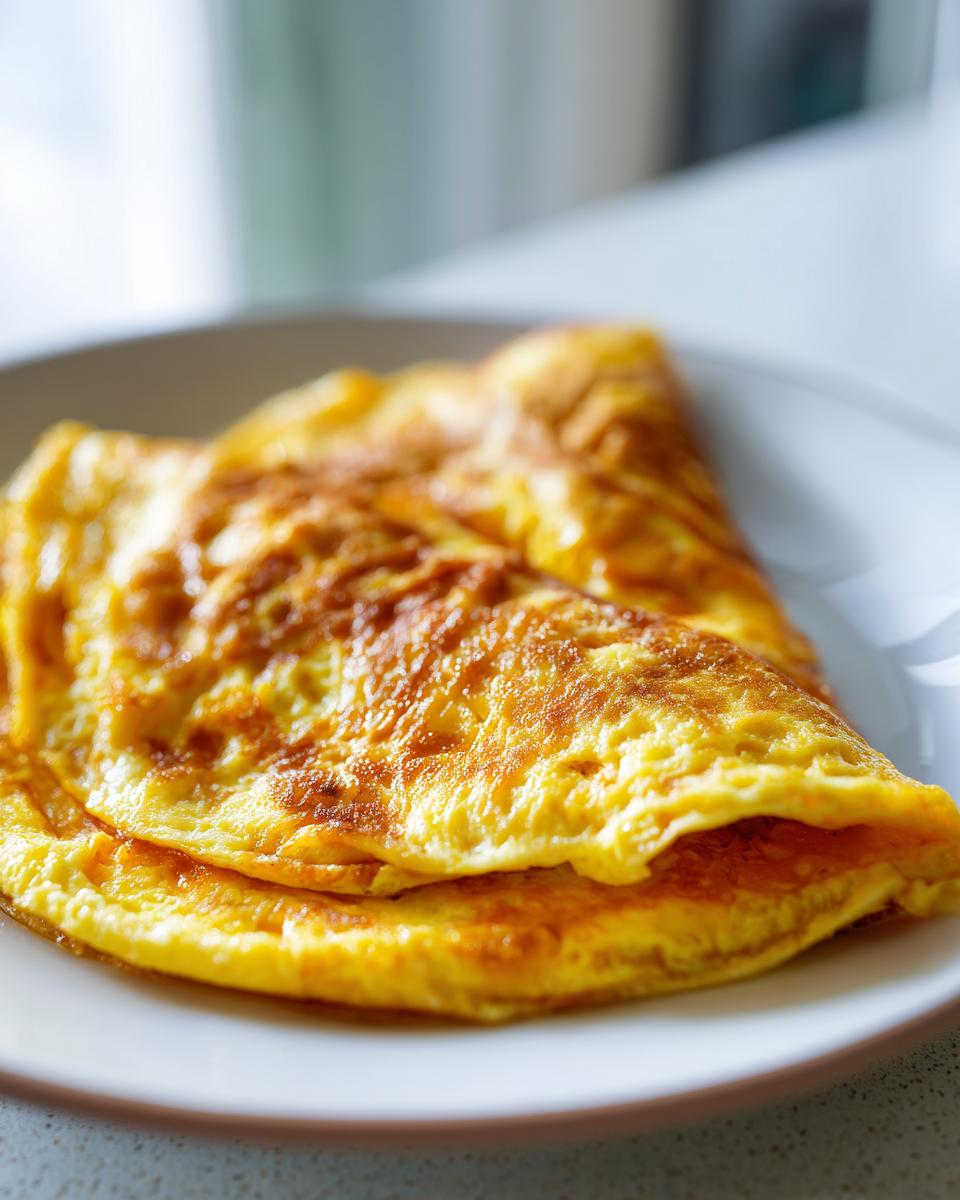
Quick Prep and Cook Time
Time is precious, right? You can prep this entire meal in about three minutes flat. Then, it only takes about seven minutes on the stove to cook through gently. That ten-minute total time means you can have a balanced, high-protein meal ready before your coffee is even cool enough to drink!
Fuel Your Day with Clean Protein
When you’re chasing goals or just trying to get through a long afternoon, you need fuel that lasts. With around 30 grams of protein, this omelette is fantastic for muscle support and keeping those hunger pangs away. Since we skip the oil, you’re getting that clean energy without unnecessary fat grams weighing you down. Protein intake is vital for sustained energy.
Gather Your High-Protein Tuna Omelette (No Oil) Ingredients
The beauty of keeping things simple is that you probably have most of this already! We are using just a few core items to build up that protein content without adding any fuss. Make sure you have a good quality can of tuna handy—draining it well is key here, trust me.
Essential Components
| Ingredient | Amount |
|---|---|
| Large Eggs | 2 |
| Large Egg Whites | 2 |
| Tuna (water-packed), drained | As desired/Needed |
| Black Pepper | To taste |
Preparing Your High-Protein Tuna Omelette (No Oil)
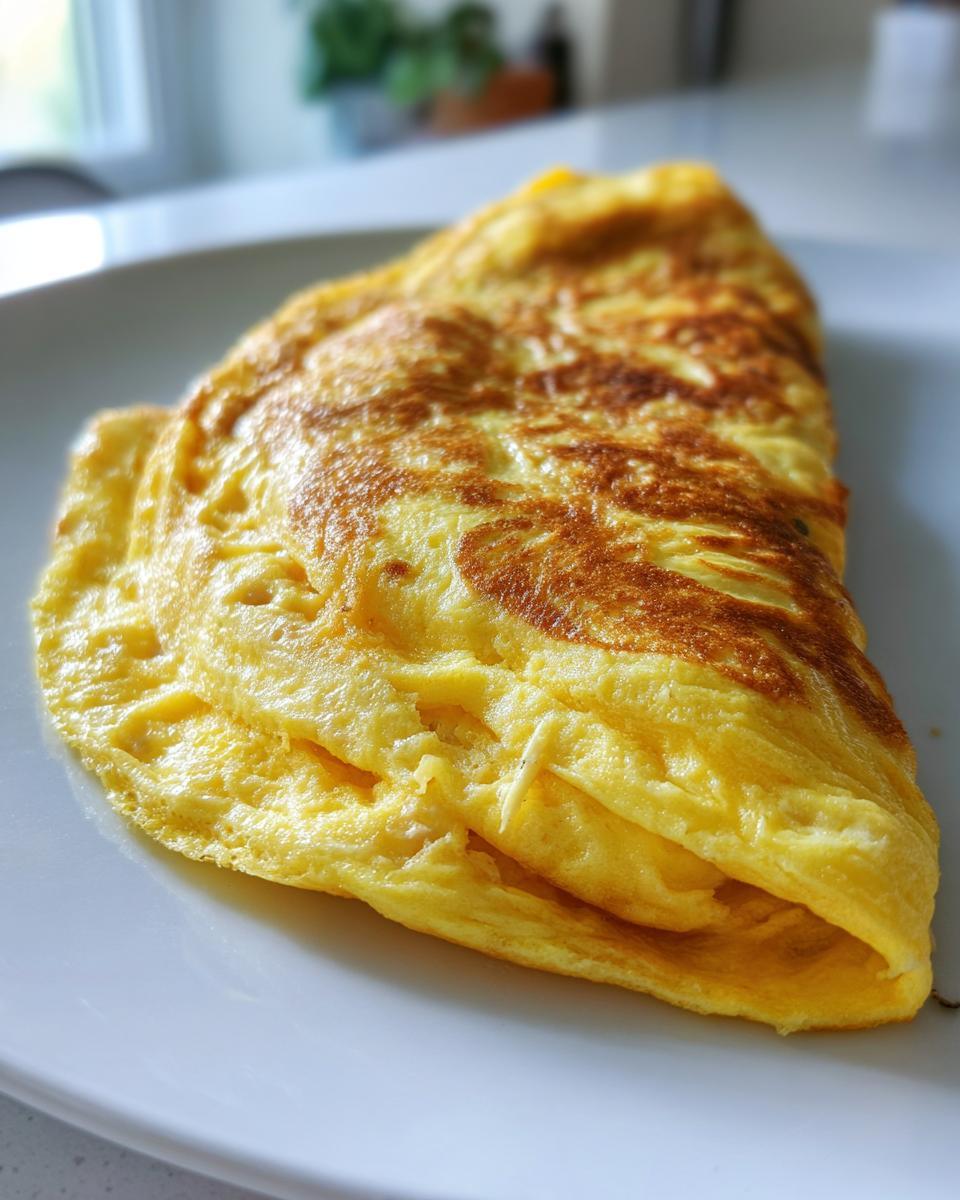
This is where the magic happens, and it’s so straightforward. You need to work quickly but gently. We aren’t scrambling these eggs; we’re making a cohesive patty of deliciousness. The whole process is designed to maximize protein and minimize effort.
Step 1: Egg Preparation and Mixing
Start by grabbing a medium bowl. Toss in your two whole eggs and the two egg whites. Now, grab a whisk or a fork and beat them together until they are really well combined and slightly frothy—you want that air incorporated for a slightly lighter texture. Next, open your can of tuna. This is important: make sure that water is completely gone. I usually press the lid down hard or even use a paper towel to blot the excess moisture out. Soggy tuna equals a weirdly wet omelette!
Stir that drained tuna right into your egg mixture. Finish this step by adding a good grind of black pepper. Don’t add salt yet, as the tuna can sometimes be salty enough. Mix everything just until the tuna is evenly distributed through the eggs. Don’t over-mix once the tuna is in!
Step 2: The No-Oil Cooking Technique
This step is crucial for success. Since we aren’t using any oil, you must have a fantastic non-stick pan. Set your burner to low heat. Low and slow is the only way to cook an oil-free omelette without it sticking or burning before the center sets. Let the pan warm up for a minute or two completely empty.
Pour your entire tuna-egg mixture into the warm, dry pan. Let it sit undisturbed. You’ll see the edges start to firm up almost immediately. Keep the heat low so the bottom doesn’t brown too fast while the top is still liquid. You can gently lift the edges with a thin spatula to let any uncooked egg run underneath, but otherwise, let it cook until the top looks mostly set, maybe with a tiny bit of sheen left. This gentle cooking method ensures the eggs stay tender and don’t turn rubbery.
Tips for Perfect High-Protein Tuna Omelette (No Oil) Results
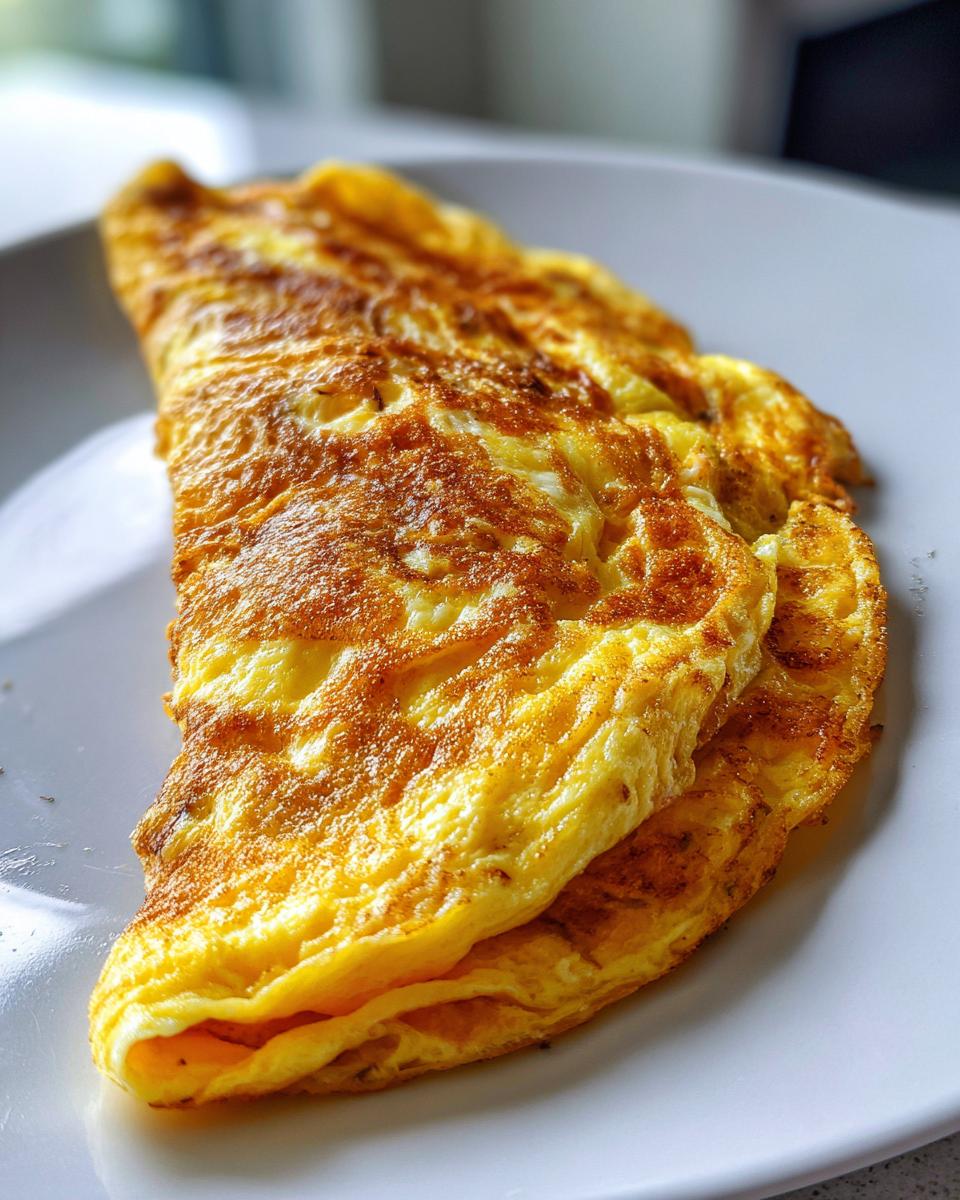
Even in a simple recipe, a few insider tricks can take your High-Protein Tuna Omelette (No Oil) from good to absolutely perfect. These little adjustments make all the difference when you’re relying on the pan surface instead of added fat.
Selecting the Right Pan
I cannot stress this enough: a high-quality, scratch-free non-stick pan is your best friend here. If your pan has even a tiny worn spot, the egg is going to grab hold, and you’ll end up scrambling it when you try to flip or fold. Don’t try this in stainless steel unless you want to spend ten minutes scraping later!
Achieving the Right Consistency
When testing for doneness, don’t rely on constant poking. When the top is mostly set—firm around the edges but maybe slightly jiggly in the very center—it’s ready to fold or serve. Eggs continue to cook from residual heat even after you take them off the burner, so pulling them off slightly underdone guarantees a moist result rather than a dry, rubbery one.
Don’t Skip Draining the Tuna
Water is the enemy of a good omelette structure. If that water mixes into the eggs, it steams instead of cooks, leading to a watery texture. Really press that tuna hard against the strainer or use a paper towel to wick away every last drop before adding it to your bowl.
A Note on Pepper
Use freshly cracked black pepper if you can. The flavor difference is huge! It adds a nice little spicy bite that complements the savory tuna beautifully. You can add a tiny pinch of dried herbs like dill if you want a little extra flavor complexity.
Serving Suggestions for Your Meal
Since this omelette is already protein-packed and low-carb, think about adding some fresh color and crunch on the side. A simple side salad dressed with a light vinaigrette works wonderfully. Sliced avocado adds healthy fats and creaminess, which complements the firm texture of the omelette perfectly. For a side salad idea, check out our zucchini and tomato salad recipe.
If you need a little more volume, some steamed asparagus or a few slices of fresh tomato sprinkled with basil are excellent additions. They keep the meal light while ensuring you feel completely satisfied without any heavy sides weighing you down.
Storing Leftover High-Protein Tuna Omelette (No Oil)
While this omelette is definitely best eaten piping hot right off the pan, sometimes leftovers happen! If you have any, cool it down quickly before storing. It’s important to handle this High-Protein Tuna Omelette (No Oil) carefully because the texture can change slightly upon reheating.
Here is the best way to store and reheat it safely. Never leave cooked eggs sitting out at room temperature for more than two hours! For more general food safety guidelines, consult official resources like the FDA guidelines.
| Action | Details |
|---|---|
| Storage | Store in an airtight container in the refrigerator for up to 3 days. |
| Reheating Method 1 (Best) | Wrap loosely in a paper towel and microwave for 20-30 seconds on 50% power. |
| Reheating Method 2 (Good) | Gently reheat in a dry, non-stick pan over very low heat until warm through. |
Frequently Asked Questions About This Recipe
Q1. Can I substitute canned tuna with another fish?
You absolutely can, but you must drain it just as thoroughly! Salmon or even shredded cooked chicken breast works well in this exact preparation. Just make sure whatever you substitute is already cooked and fully drained of any packing liquid or water so you don’t end up with a soggy mess in your pan.
Q2. What is the best way to increase the vegetable content?
That’s a great idea for adding nutrients! If you want to add veggies, you must cook them first until they release their moisture and are soft. Spinach, diced mushrooms, or finely chopped bell peppers should be sautéed separately until dry, and then you can mix them in with the tuna and eggs. Don’t add raw veggies, as they won’t cook properly in the short time the omelette needs.
Q3. Do I have to use both whole eggs and egg whites?
I use both to get the best of both worlds! The whole eggs give us richness and that beautiful yellow color, while the extra egg whites boost the protein count significantly without adding much fat or calories. If you only have whole eggs, feel free to use three or four, but the texture will be slightly richer and less lean.
Q4. Is this recipe safe for low-sodium diets?
The sodium content really depends on your tuna choice. If you use water-packed tuna that is specifically labeled “no salt added,” you can keep the overall sodium very low. Just skip adding any extra salt yourself, relying only on the black pepper for flavor.
Share Your High-Protein Tuna Omelette (No Oil) Experience
I truly hope this quick, clean meal becomes a staple for you too! If you made this High-Protein Tuna Omelette (No Oil), please leave me a rating below. I love seeing how you customize your meals, so drop a comment and let me know how fast you got yours on the plate!
Why You Will Make This High-Protein Tuna Omelette (No Oil)
This recipe cuts straight to the chase, which is why I love it so much. First off, it’s incredibly fast—we’re looking at about ten minutes total, which is perfect for chaotic mornings. Second, the protein punch from the eggs and tuna is huge; it keeps you full until your next meal, no problem. But the real game-changer is that it’s a No Oil Omelette. You get all the flavor and texture without needing to measure or clean up any extra grease.
Quick Prep and Cook Time
Time is precious, right? You can prep this entire meal in about three minutes flat. Then, it only takes about seven minutes on the stove to cook through gently. That ten-minute total time means you can have a balanced, high-protein meal ready before your coffee is even cool enough to drink!
Fuel Your Day with Clean Protein
When you’re chasing goals or just trying to get through a long afternoon, you need fuel that lasts. With around 30 grams of protein, this omelette is fantastic for muscle support and keeping those hunger pangs away. Since we skip the oil, you’re getting that clean energy without unnecessary fat grams weighing you down.
Gather Your High-Protein Tuna Omelette (No Oil) Ingredients
The beauty of keeping things simple is that you probably have most of this already! We are using just a few core items to build up that protein content without adding any fuss. Make sure you have a good quality can of tuna handy—draining it well is key here, trust me. We need eggs for structure and protein, and pepper for just a little zing to wake things up!
Essential Components
| Ingredient | Amount |
|---|---|
| Large Eggs | 2 |
| Large Egg Whites | 2 |
| Tuna (water-packed), drained | As desired/Needed |
| Black Pepper | To taste |
Preparing Your High-Protein Tuna Omelette (No Oil)
This is where the magic happens, and it’s so straightforward. You need to work quickly but gently. We aren’t scrambling these eggs; we’re making a cohesive patty of deliciousness. The whole process is designed to maximize protein and minimize effort, especially since we aren’t adding any fat to help things along! If you are looking for other quick meals, check out our 15-minute ground beef tacos.
Step 1: Egg Preparation and Mixing
Start by grabbing a medium bowl. Toss in your two whole eggs and the two egg whites. Now, grab a whisk or a fork and beat them together until they are really well combined and slightly frothy—you want that air incorporated for a slightly lighter texture. Next, open your can of tuna. This is important: make sure that water is completely gone. I usually press the lid down hard or even use a paper towel to blot the excess moisture out. Soggy tuna equals a weirdly wet omelette!
Stir that drained tuna right into your egg mixture. Finish this step by adding a good grind of black pepper. Don’t add salt yet, as the tuna can sometimes be salty enough. Mix everything just until the tuna is evenly distributed through the eggs. Don’t over-mix once the tuna is in!
Step 2: The No-Oil Cooking Technique
This step is crucial for success. Since we aren’t using any oil, you must have a fantastic non-stick pan. Set your burner to low heat. Low and slow is the only way to cook an oil-free omelette without it sticking or burning before the center sets. Let the pan warm up for a minute or two completely empty.
Pour your entire tuna-egg mixture into the warm, dry pan. Let it sit undisturbed. You’ll see the edges start to firm up almost immediately. Keep the heat low so the bottom doesn’t brown too fast while the top is still liquid. You can gently lift the edges with a thin spatula to let any uncooked egg run underneath, but otherwise, let it cook until the top looks mostly set, maybe with a tiny bit of sheen left. This gentle cooking method ensures the eggs stay tender and don’t turn rubbery.
Tips for Perfect High-Protein Tuna Omelette (No Oil) Results
Even in a simple recipe, a few insider tricks can take your High-Protein Tuna Omelette (No Oil) from good to absolutely perfect. These little adjustments make all the difference when you’re relying on the pan surface instead of added fat. I’ve learned these tricks over many mornings when I was too rushed to even think about grabbing the olive oil bottle!
Selecting the Right Pan
I cannot stress this enough: a high-quality, scratch-free non-stick pan is your best friend here. If your pan has even a tiny worn spot, the egg is going to grab hold, and you’ll end up scrambling it when you try to flip or fold. Don’t try this in stainless steel unless you want to spend ten minutes scraping later! A good pan makes this whole oil-free method possible.
Achieving the Right Consistency
When testing for doneness, don’t rely on constant poking. When the top is mostly set—firm around the edges but maybe slightly jiggly in the very center—it’s ready to fold or serve. Eggs continue to cook from residual heat even after you take them off the burner, so pulling them off slightly underdone guarantees a moist result rather than a dry, rubbery one. That slight jiggle means it’s going to be perfect when you cut into it.
Don’t Skip Draining the Tuna
Water is the enemy of a good omelette structure. If that water mixes into the eggs, it steams instead of cooks, leading to a watery texture. Really press that tuna hard against the strainer or use a paper towel to wick away every last drop before adding it to your bowl.
A Note on Pepper
Use freshly cracked black pepper if you can. The flavor difference is huge! It adds a nice little spicy bite that complements the savory tuna beautifully. You can add a tiny pinch of dried herbs like dill if you want a little extra flavor complexity.
Serving Suggestions for Your Meal
Since this omelette is already protein-packed and low-carb, think about adding some fresh color and crunch on the side. A simple side salad dressed with a light vinaigrette works wonderfully. Sliced avocado adds healthy fats and creaminess, which complements the firm texture of the omelette perfectly. If you need a side dish inspiration, we have a great air fryer fingerling potatoes recipe.
If you need a little more volume, some steamed asparagus or a few slices of fresh tomato sprinkled with basil are excellent additions. They keep the meal light while ensuring you feel completely satisfied without any heavy sides weighing you down.
Storing Leftover High-Protein Tuna Omelette (No Oil)
While this omelette is definitely best eaten piping hot right off the pan, sometimes leftovers happen! If you have any, cool it down quickly before storing. It’s important to handle this High-Protein Tuna Omelette (No Oil) carefully because the texture can change slightly upon reheating, especially since there’s no oil to keep it supple.
Here is the best way to store and reheat it safely. Never leave cooked eggs sitting out at room temperature for more than two hours! I usually just wrap the remaining piece tightly in plastic wrap before putting it in the fridge.
| Action | Details |
|---|---|
| Storage | Store in an airtight container in the refrigerator for up to 3 days. |
| Reheating Method 1 (Best) | Wrap loosely in a paper towel and microwave for 20-30 seconds on 50% power. |
| Reheating Method 2 (Good) | Gently reheat in a dry, non-stick pan over very low heat until warm through. |
Frequently Asked Questions About This Recipe
I get so many questions about this quick meal, which just shows how many people need fast, healthy options! Here are a few things folks ask me most often about making this omelette work for them.
Can I substitute canned tuna with another fish?
You absolutely can, but you must drain it just as thoroughly! Salmon or even shredded cooked chicken breast works well in this exact preparation. Just make sure whatever you substitute is already cooked and fully drained of any packing liquid or water so you don’t end up with a soggy mess in your pan. Remember, without oil, moisture control is everything!
What is the best way to increase the vegetable content?
That’s a great idea for adding nutrients! If you want to add veggies, you must cook them first until they release their moisture and are soft. Spinach, diced mushrooms, or finely chopped bell peppers should be sautéed separately until dry, and then you can mix them in with the tuna and eggs. Don’t add raw veggies, as they won’t cook properly in the short time the omelette needs, and they’ll release water onto your dry pan surface. For vegetable ideas, consider looking into general vegetable cooking techniques.
Do I have to use both whole eggs and egg whites?
I use both to get the best of both worlds! The whole eggs give us richness and that beautiful yellow color, while the extra egg whites boost the protein count significantly without adding much fat or calories. If you only have whole eggs, feel free to use three or four, but the texture will be slightly richer and less lean, which is totally fine!
Is this recipe safe for low-sodium diets?
The sodium content really depends on your tuna choice. If you use water-packed tuna that is specifically labeled “no salt added,” you can keep the overall sodium very low. Just skip adding any extra salt yourself, relying only on the black pepper for flavor. It’s a very flexible base recipe that way!
Share Your High-Protein Tuna Omelette (No Oil) Experience
I truly hope this quick, clean meal becomes a staple for you too! If you made this High-Protein Tuna Omelette (No Oil), please leave me a rating below so others know how easy it is. I love seeing how you customize your meals, so drop a comment and let me know how fast you got yours on the plate!
Print
Amazing 10-min High-Protein Tuna Omelette (No Oil)
- Total Time: 10 minutes
- Yield: 1 serving
- Diet: Low Fat
Description
Make a High-Protein Tuna Omelette (No Oil). This simple recipe offers a quick, satisfying meal packed with protein.
Ingredients
- 2 large eggs
- 2 large egg whites
- Tuna (water-packed), drained
- Black pepper to taste
Instructions
- In a bowl, whisk together the whole eggs and egg whites.
- Stir in the drained tuna and black pepper until combined.
- Pour the mixture into a non-stick pan heated over low heat.
- Cook gently until the omelette is set and cooked through to your liking.
Notes
- Use a very good quality non-stick pan to prevent sticking without oil.
- Ensure the tuna is fully drained of water.
- Adjust the amount of black pepper based on your preference.
- Prep Time: 3 minutes
- Cook Time: 7 minutes
- Category: Breakfast/Lunch
- Method: Pan Frying (No Oil)
- Cuisine: American