

Oh my goodness, let’s talk about the absolute dream that is homemade Cinnamon Raisin Sourdough Bread. Seriously, the smell alone is enough to make you want to quit your job and just bake all day! I’m Daniel, and I started Reciqa because I believe that the best moments often happen when we gather around food. You know those lazy Saturday mornings when the house is quiet, and you just want something warm and comforting to hold you over until lunch? That’s exactly the kind of joy I want to bring into your kitchen. I’ve spent years tinkering with sourdough—and trust me, I’ve made some bricks in my time!—but this recipe is my absolute winner. It combines that perfect, subtle sourdough tang with the sweet warmth of cinnamon swirls, giving you a sliceable, soft loaf that never fails. If you think sourdough is too hard, stick with me; we’ll get this beautiful loaf baked together, I promise!
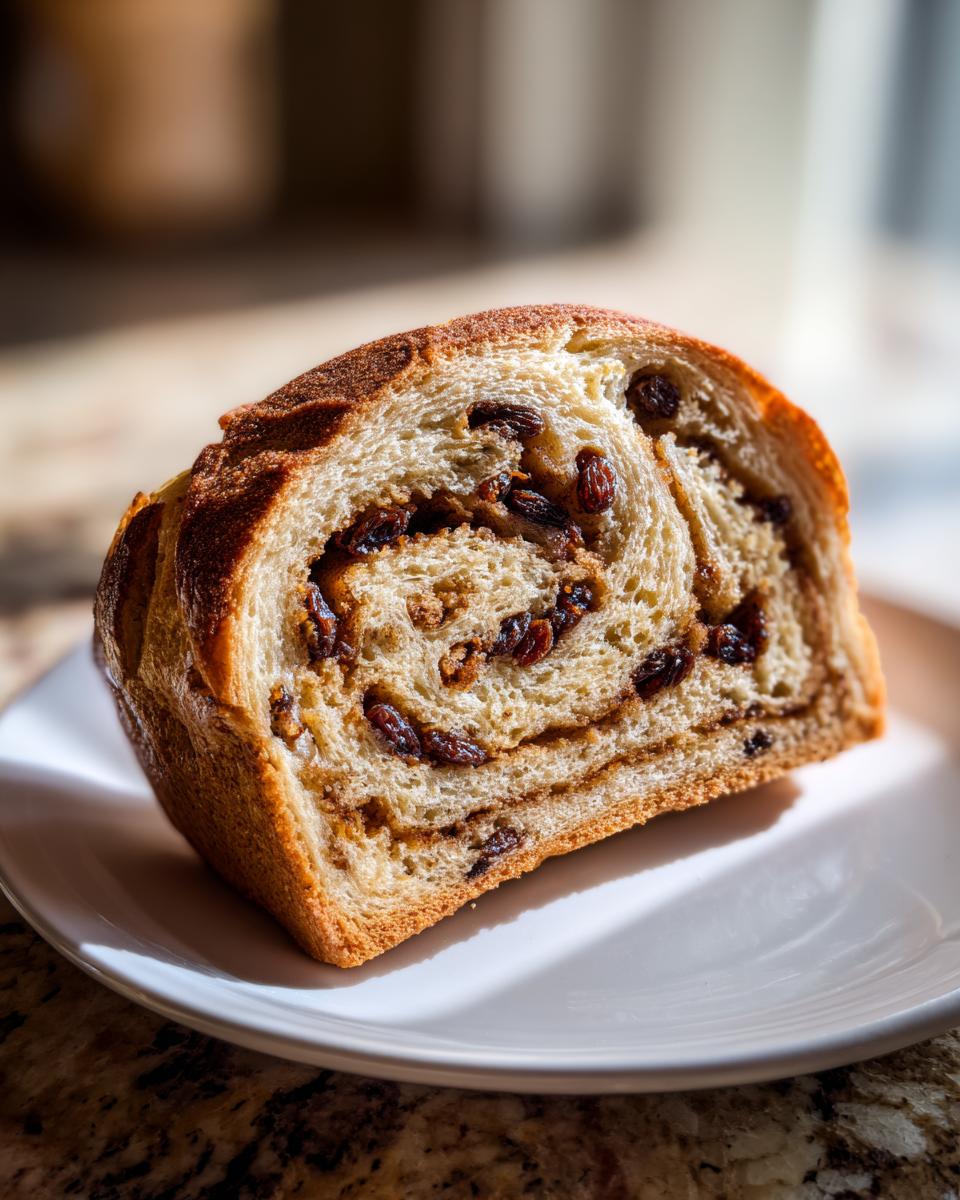
Ingredients for Your Cinnamon Raisin Sourdough Bread
Gathering your supplies is half the fun! Don’t worry if the list looks a little long; it’s really just the dough ingredients and then the tasty stuff we’re swirling in later. Trust me, using good quality bread flour makes a huge difference in the final texture of this Cinnamon Raisin Sourdough Bread. We need a solid base before we get to the spice party!
I’ve broken this down so it’s super clear what goes into the main dough and what we use just for that gooey, spicy swirl. You’ll want to have everything measured out before you start mixing, especially since sourdough moves fast once the starter wakes up.
Note to reader: You’ll find all these measurements organized neatly in a table below for easy reference while you bake!
Essential Components List
- 100 grams active sourdough starter (make sure it’s bubbly!)
- 350 grams warm water
- 500 grams bread flour
- 145 grams raisins
- 25 grams cane sugar or brown sugar (for the main dough)
- 10 grams salt
- Additional flour for dusting (just a sprinkle needed)
Cinnamon Sugar Filling Mixture
- 8 grams ground cinnamon (this is a generous amount of spice!)
- 25 grams cane sugar
Equipment Needed for Baking Cinnamon Raisin Sourdough Bread
You don’t need a million fancy gadgets to make incredible Cinnamon Raisin Sourdough Bread, but there are a few things that make the process much smoother. Having the right tools really helps manage the dough, especially when we start folding in all that delicious cinnamon sugar.
I always keep these items right by my mixing station. They are essential for getting that beautiful oven spring and that perfect, crisp crust we’re aiming for!
Key Baking Tools
- A large mixing bowl for the initial mix and bulk fermentation.
- A wet tea towel or some plastic wrap to keep the dough covered.
- A small bowl just for mixing up the cinnamon sugar filling.
- A clean work surface lightly dusted with flour for shaping.
- A banneton (proofing basket) to hold the final shape during the cold proof.
- Parchment paper—this is a lifesaver for transferring the dough!
- A Dutch oven with a lid for trapping that all-important steam during baking.
Preparing the Cinnamon Raisin Sourdough Bread Dough
This is where the magic of naturally leavened baking begins! Making a flavorful Cinnamon Raisin Sourdough Bread starts long before we even think about shaping it. We need to give our starter time to get happy and strong enough to handle all those sweet additions. Don’t rush this part; the long, slow fermentation is what develops that signature sourdough tang that balances the sweetness perfectly. Sourdough tang development is a science!
We aren’t kneading this dough aggressively; we’re going to use gentle movements to build structure over several hours. This patience ensures a light, airy crumb inside, even with the heavy raisins weighing things down. Remember, this dough needs to hang out overnight, so plan accordingly!
Initial Mixing and Autolyse
Grab your big mixing bowl! First things first, you need to wake up that starter. Stir your active starter into the warm water until it’s mostly dissolved. Adding the 25 grams of sugar here helps feed the yeast right away, so it gets going strong. Then, dump in the bread flour, the salt, and all those plump raisins. Don’t grab your mixer yet! Just use a wooden spoon or your hand and mix everything until you have a shaggy, messy-looking dough. That’s exactly what we want—just enough mixing so there are no dry pockets of flour left. Cover the bowl tight with a damp towel or plastic wrap and let it rest for 30 minutes. This short rest period, sometimes called an autolyse in sourdough circles, lets the flour fully hydrate before we start working it.
Bulk Fermentation and Stretch and Folds
After that 30-minute rest, it’s time to start building strength. We are going to do three sets of stretch and folds, spaced 30 minutes apart. To stretch and fold, just grab one side of the dough, gently stretch it upwards until you feel tension, and fold it right over onto itself. Turn the bowl a quarter turn and repeat that movement three more times until you’ve gone all the way around. Cover it back up and wait 30 minutes before doing the next set. Do this two more times (for a total of three sets).
Once you finish that third set, the dough should feel noticeably smoother and stronger. Now, you cover it up again and leave it alone at room temperature. This main rise, the bulk fermentation, needs to happen for at least 12 hours overnight. When you wake up, you should see that your Cinnamon Raisin Sourdough Bread dough has puffed up nicely and is full of bubbles. That long, slow proofing is key!
Shaping Your Cinnamon Raisin Sourdough Bread
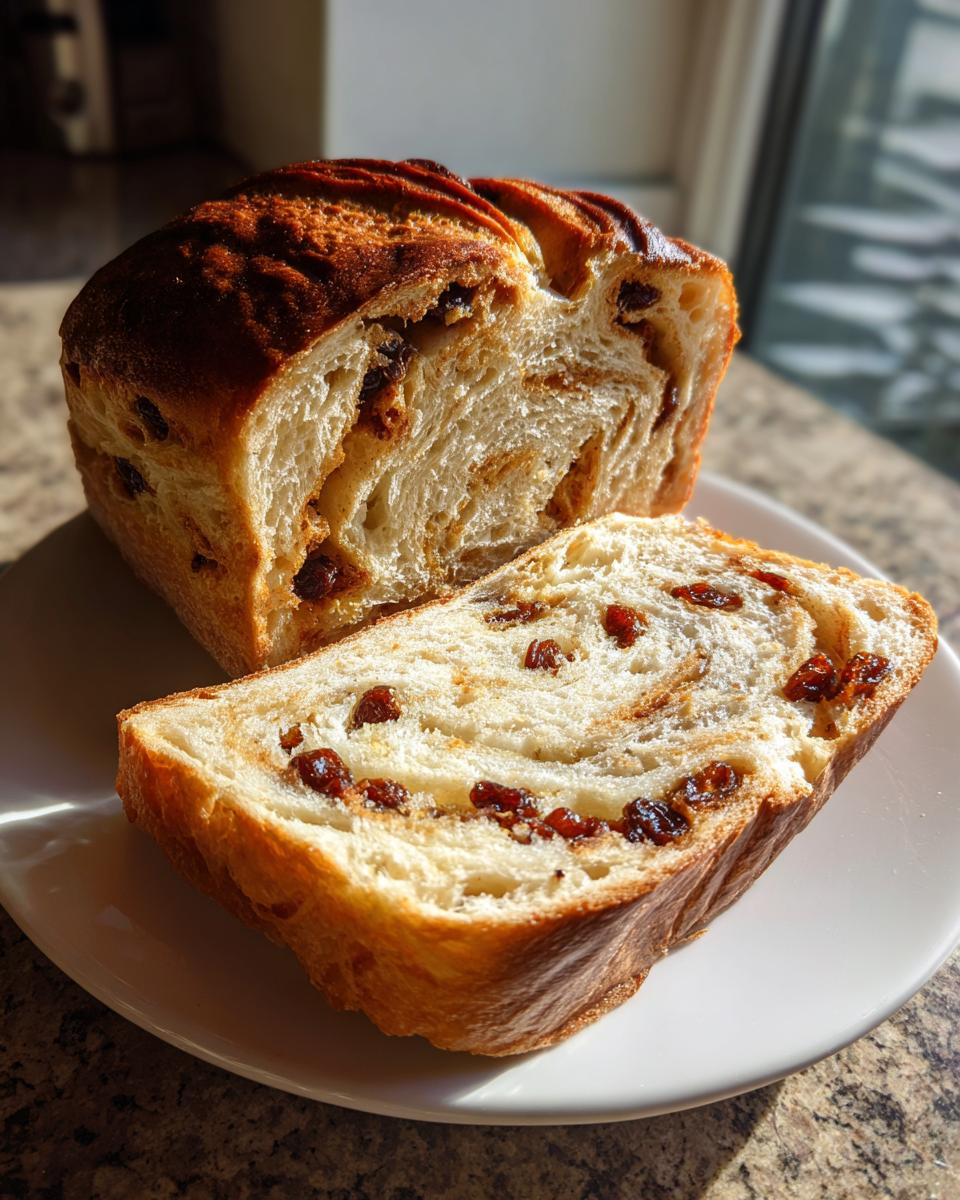
Okay, the dough has done its overnight job and is ready for its beautiful swirl! This shaping process is crucial because we are essentially laminating the dough—spreading out the flavor layers and then rolling them up tightly. This technique is what ensures you get those gorgeous, distinct ribbons of cinnamon throughout every slice of your Cinnamon Raisin Sourdough Bread instead of just clumps in one spot. Don’t be scared by the word ‘laminating’; it’s just fancy folding!
Creating the Cinnamon Sugar Filling
Before you touch that lovely risen dough, let’s get the filling ready. Step 8 is super simple: take that small bowl and mix the 8 grams of ground cinnamon with the 25 grams of cane sugar. Just use a fork to blend them together well. You want an even, fragrant mixture. Having this ready means you can work quickly once the dough is out, which is important for keeping the dough cold and manageable.
Laminating and Folding for Flavor Distribution
Gently turn your dough out onto a surface you’ve lightly dusted with flour—remember, we don’t want to deflate all that overnight work! Now, gently stretch it out into a big rectangle. Think thin, but not so thin you tear holes in it. Once it’s stretched, take half of your cinnamon sugar mixture and sprinkle it evenly over the surface, making sure to leave about an inch clear around the edges. This border is super important so the filling doesn’t just ooze out!
Next, fold the top edge down to the center, just like you’re folding a business letter. Now, take the remaining cinnamon sugar and spread it over the top half of that folded section. Then, take the bottom edge and fold it up over the center fold. Finally, add the last bit of cinnamon sugar to half of that top section, and then fold that dough half over itself one last time, creating a tight log or oval shape. You’re essentially layering the dough over itself three times, trapping the filling inside. This layering technique is what gives the final Cinnamon Raisin Sourdough Bread its fantastic structure and flavor distribution.
Once it’s shaped into a tight ball or oval that fits nicely into your banneton, cover it up with a damp towel. This is when we transition into the final proofing stage.
Final Proofing of the Cinnamon Raisin Sourdough Bread
For the final rise, the dough needs to chill out in the refrigerator—this is called cold proofing. Place your covered banneton right into the fridge for a minimum of 3 hours, though I usually let mine go for 8 to 12 hours if I can manage it. Chilling the dough does two wonderful things: it slows down the yeast activity so the flavor deepens even more, and critically, it firms up the dough. A cold, firm dough is so much easier to handle and score cleanly right before baking. Trust me, trying to score room-temperature sourdough is a messy disaster!
Baking Instructions for Perfect Cinnamon Raisin Sourdough Bread
We are so close to enjoying that gorgeous Cinnamon Raisin Sourdough Bread! This final stage is all about trapping heat and steam to get that big oven spring and that beautiful, dark crust. The best part? You don’t have to worry about preheating your oven for an hour beforehand; we do that right before we bake!
When you’re ready to bake, take your dough out of the fridge and place it gently onto a piece of parchment paper. This paper is your handle—it lets you move the sticky dough into the hot pot without ruining your shaping work. Now, grab your Dutch oven, place the dough (still on the parchment!) right inside, pop the lid on, and then put the whole thing into your cold oven. Set your temperature to 425 degrees. The dough heats up gradually with the pot, which is fantastic for the oven spring! If you are interested in learning more about the science behind oven spring, check out this guide to oven spring.
Scoring and Oven Setup
Once the oven is set to 425 degrees, you can score the top of your dough. Use a sharp razor or lame to make one confident, deep slash across the dough. This controls where the bread expands. Remember that note: chilling the dough really helps here so the blade glides nicely. Then, carefully place the dough and parchment right into the Dutch oven and put the lid on. We are baking this covered for the first part to create that steamy environment that sourdough just loves. Don’t worry about preheating the oven first; we let the dough heat up slowly inside the pot.
Baking Schedule and Cooling
Bake the bread covered at 425 degrees for 55 minutes. That’s the big steam bath! When the timer goes off, carefully remove the lid. You should see a lovely light brown color starting to develop. If it looks golden brown and beautiful, you can take it out right then. If it looks a little pale, just put the lid back on and bake for about 5 more minutes. If it’s already golden, take the lid off and bake for another 5 minutes uncovered to really crisp up that crust.
The absolute hardest part, and I mean it, is waiting! Once it’s out of the oven, get it onto a wire rack immediately. You must let this Cinnamon Raisin Sourdough Bread cool completely—at least one full hour—before you slice into it. If you cut it hot, all that steam rushes out, and you end up with a gummy, mushy crumb. Patience pays off, my friend. Wait the hour, and then slice it thick and slather it with butter!
Tips for Achieving the Best Cinnamon Raisin Sourdough Bread
Baking great sourdough, especially when you load it up with sugar and fruit like this Cinnamon Raisin Sourdough Bread, is all about timing and temperature control. Don’t stress if your first loaf isn’t perfect; every baker here has had a flat spot or a dough explosion! The key is respecting the long fermentation times we build into this recipe.
Mastering Dough Hydration and Timing
The raisins actually add a bit of extra moisture into the dough as they sit overnight, so don’t panic if the dough feels slightly wetter than a plain sourdough. That long, 12-hour bulk ferment at room temperature is essential for developing the sourdough flavor needed to cut through the sweetness. Also, when you put it in the fridge for that final proof—don’t skip the time! Aiming for at least three hours of chilling ensures the dough is cold and firm enough for a clean, beautiful score. A clean score means a better oven spring, and nobody wants a sad, flat loaf of cinnamon goodness! If you are looking for more general baking tips, check out this resource on baking tips and tricks.
Storing and Reheating Your Homemade Bread
This Cinnamon Raisin Sourdough Bread is best eaten the day it’s baked, but it keeps well for a few days! Once completely cool, wrap the loaf tightly in plastic wrap or place it in an airtight bag. It’ll stay soft on the counter for about three days. If you are worried about it going stale, you can slice it first and freeze the slices!
If you are reheating a day-old slice, just pop it in a toaster oven or a regular toaster. For a whole loaf, I like to sprinkle the top with a tiny bit of water and wrap it loosely in foil before heating it in a 300-degree oven for about 10 minutes. That steam helps bring back the softness!
Note to reader: Detailed storage and reheating options are organized in the table below for your convenience.
Frequently Asked Questions About This Sourdough
I get so many questions about this recipe, and honestly, I love hearing from everyone who is trying to make their own incredible sourdough bread! Here are a few things that keep coming up about this sweet loaf.
Can I use dried cranberries instead of raisins?
Oh, absolutely! You can definitely swap out the raisins for dried cranberries, or even dried cherries if you want something a little tart. Just remember that dried fruit can sometimes be a bit drier than raisins. If your cranberries seem very hard, I recommend soaking them in hot water for about 15 minutes first, just like I suggest with the raisins, and then patting them completely dry before mixing them into the dough. This keeps them from stealing moisture from your dough!
Why does my Cinnamon Raisin Sourdough Bread have a weak rise?
Nine times out of ten, a weak rise in any sourdough bread comes down to the starter not being active enough. Make sure your starter is doubling or even tripling in size reliably a few hours before you mix the dough. Also, if your kitchen is really cold overnight, the bulk fermentation might take longer than 12 hours. If you see very little activity after 8 hours at room temperature, just let it go longer until it looks bubbly and alive!
What is the best way to eat this sweet bread?
Honestly, it’s fantastic just sliced thick and eaten plain while it’s still slightly warm—that’s my favorite way to sneak a piece before it cools down! But if you want to elevate it, this sweet bread is amazing toasted with a thick layer of salted, softened butter. It’s also wonderful served alongside a strong cup of coffee for breakfast, or even topped with a little smear of cream cheese if you’re feeling fancy. For more sweet bread ideas, check out this recipe for easy zucchini bread.
Nutritional Information Disclaimer
Since everyone uses different brands of flour, sugar, and even starter ratios, I haven’t calculated exact nutritional data for this Cinnamon Raisin Sourdough Bread. The values can change a lot based on what you use! The table below just confirms that this information isn’t provided here.
Note to reader: This table serves only as a disclaimer regarding the nutritional information for this recipe.
Print
Amazing 1 Step Cinnamon Raisin Sourdough Bread
- Total Time: 13 hours 40 minutes minimum
- Yield: 1 loaf
- Diet: Vegetarian
Description
Enjoy making this rich and flavorful Cinnamon Raisin Sourdough Bread. This recipe yields a sweet, soft loaf with a tangy sourdough base, perfect for breakfast or a comforting snack.
Ingredients
- 100 grams active sourdough starter
- 350 grams warm water
- 500 grams bread flour
- 145 grams raisins
- 25 grams cane sugar or brown sugar
- 10 grams salt
- Additional flour for dusting
- 8 grams ground cinnamon (for filling)
- 25 grams cane sugar (for filling)
Instructions
- In a large mixing bowl, combine the active starter and warm water until mixed.
- Add the 25 grams of sugar and stir until it dissolves.
- Add the bread flour, salt, and raisins. Stir until a shaggy dough forms.
- Cover the bowl with a wet tea towel or plastic wrap. Let the dough rest for 30 minutes.
- Begin the stretch and fold process. Stretch one end of the dough out and fold it over itself. Repeat with the opposite end, then fold the sides in.
- Repeat the stretch and fold method two more times, waiting 30 minutes between each set.
- After the final stretch and fold, cover the dough with a damp cloth. Allow the dough to rise at room temperature overnight, for a minimum of 12 hours.
- The next day, mix the 8 grams of cinnamon and 25 grams of sugar in a small bowl for the filling. Set aside.
- Remove the risen dough from the bowl onto a lightly floured work surface.
- Gently stretch the dough into a rectangle.
- Spread half of the cinnamon sugar mixture over the dough, leaving a 1-inch border around the edge.
- Fold the top half of the dough to the center, like folding a letter.
- Place slightly more than half of the remaining cinnamon mixture onto that folded section. Save some for the final fold.
- Fold the bottom half of the dough over the top half. Add the rest of the cinnamon sugar mixture to half of this new section.
- Fold the dough in half lengthwise.
- Shape the dough into a smooth ball or oval shape fitting your banneton.
- Cover the dough with a damp towel and place the banneton in the refrigerator for the final rise. Aim for at least 3 hours of chilling time.
- Remove the dough from the banneton and place it on a piece of parchment paper.
- Score the top of the dough.
- Place the dough, parchment paper and all, into a Dutch oven.
- Place the Dutch oven into the oven and set the temperature to 425 degrees. Bake for 55 minutes.
- Remove the lid.
- If the bread is golden brown, remove it from the oven. Otherwise, bake for 5 more minutes or until the desired color is achieved.
- Wait at least one hour for the bread to cool completely before slicing to prevent a mushy crumb.
- Serve slices with softened butter.
Notes
- This recipe does not require a preheated oven.
- Chilling the dough before scoring aids in achieving a clean score.
- Prep Time: 45 minutes active time plus 12-15 hours bulk fermentation/proofing
- Cook Time: 55-60 minutes
- Category: Bread
- Method: Baking
- Cuisine: American