

There’s just something magical about watching simple sugar transform into a gleaming, jewel-toned piece of Hard Candy, isn’t there? It feels like true kitchen wizardry, and honestly, it’s way easier than most people think! I’m Daniel, and when I started Reciqa, I wanted to show everyone that you don’t need complicated techniques or fancy equipment to make amazing things at home. My goal is to bring that joy and satisfaction back into your kitchen, whether you’re whipping up a quick weeknight dinner or attempting something truly sweet like this classic candy.
Forget those disappointing store-bought versions that stick to your teeth! Making your own means you control the color, the flavor, and the texture completely. We’re stripping away the confusion so you can focus on the fun part: creating beautiful, shatteringly crisp sweets. Trust me, once you nail this technique, you’ll be making homemade hard candy for every holiday and celebration!
Essential Ingredients for Perfect Hard Candy
You can’t cut corners when you’re dealing with pure sugar chemistry, folks. For truly clear, perfect Hard Candy, the quality and exact measurement of these few ingredients matter more than anything else. This isn’t the time to eyeball things! We need precision to hit that beautiful 300-degree mark without scorching the mix.
Don’t worry about fancy sourcing; these are all pantry staples. Just make sure you have them ready to go before you even turn on the stove. It moves fast once it starts boiling!
Ingredient Clarity and Preparation
Every item plays a specific role in the final texture. Pay close attention to how I list them here. For instance, we are using granulated sugar, not powdered, because we need that crystalline structure to melt cleanly.
- Sugar and Syrup: Measure the granulated sugar, water, and clear corn syrup exactly. The corn syrup is the secret weapon here; it stops the sugar from crystallizing too soon, keeping our candy smooth.
- Coloring: I strongly recommend using liquid food coloring. Gels can sometimes introduce too much moisture or cloudiness. You need about 42 drops—this gives you a nice, bright hue without overpowering the flavor.
- Flavor Oil: This must be a professional candy flavor oil, not vanilla extract. Extracts have too much alcohol and water content, which can ruin the candy’s texture when added later.
- Coating: Make sure you have powdered sugar ready to dust the sheet. This acts as a non-stick agent for cooling and makes it easy to handle later.
Guidance Note: For a clean presentation, consider listing these ingredients in a simple comparison table showing the ingredient name and its required form/measurement.
The Equipment Needed for Your Hard Candy Project
When making Hard Candy, your tools are just as important as your ingredients—especially when dealing with molten sugar! You absolutely cannot skip the candy thermometer. If you guess the temperature, you risk either having chewy candy or burnt, bitter sugar. Trust me on this one; it’s your best friend here.
You’ll also need a medium, heavy-bottomed saucepan—this helps distribute the heat evenly so you don’t get hot spots that scorch the bottom. Have a sturdy, heat-safe spatula or offset metal spatula ready for pouring later. And remember safety first: keep oven mitts nearby!
Step-by-Step Guide to Cooking Hard Candy
Okay, this is the part where the magic happens, and we need to be focused! Making beautiful Hard Candy is all about controlling heat and resisting the urge to fiddle with things once they start bubbling. We are aiming for that high, dramatic “hard crack” stage. Speed and precision are your best friends here.
Preparing Your Cooling Surface for Hard Candy
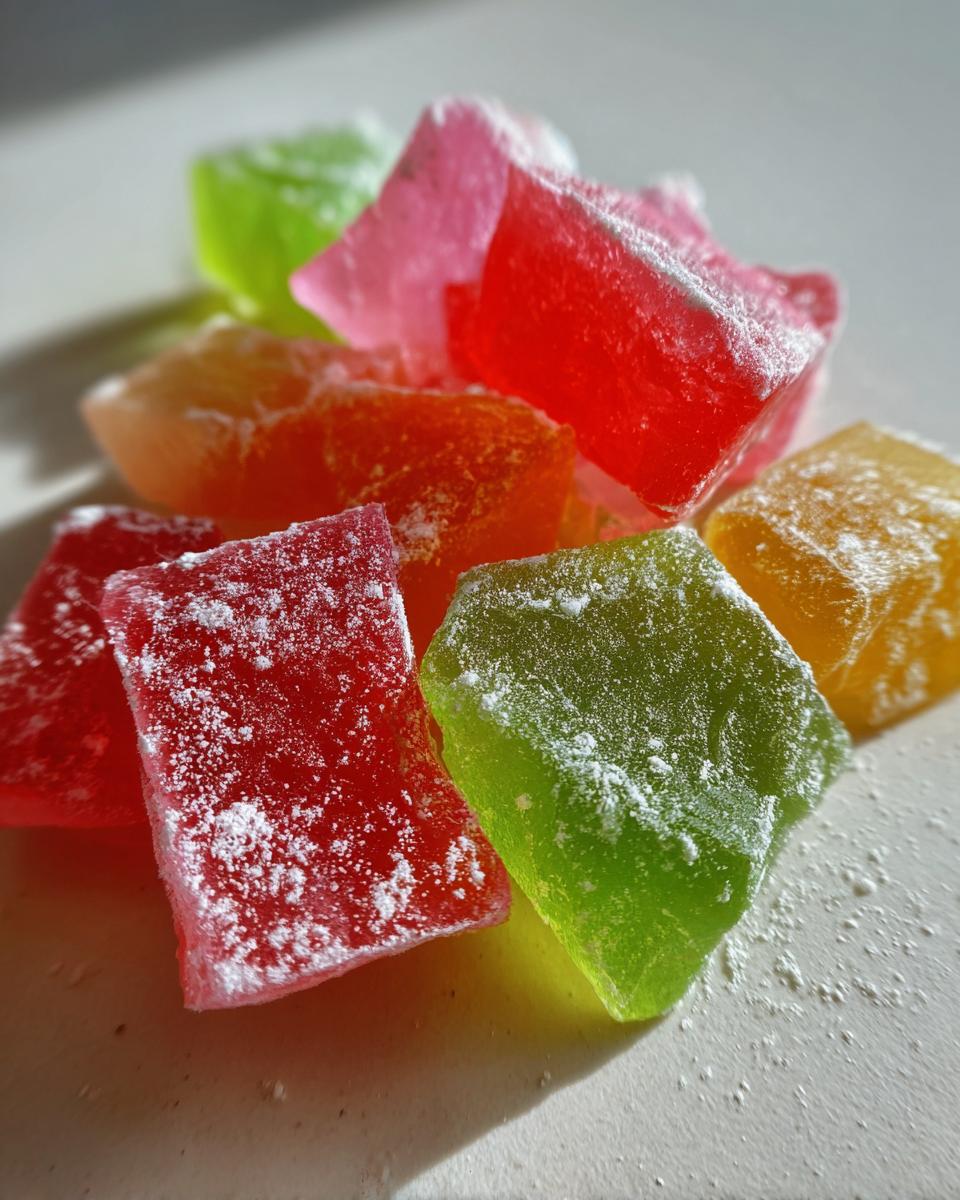
Before you even think about turning on the heat, you need your landing zone ready. Take a rimmed cookie sheet—the rim is important because molten sugar likes to run! You have two options, but I prefer the parchment paper lining because cleanup is a breeze. Sift a generous, even layer of powdered sugar right over the parchment paper or the bare metal sheet. This layer acts like a protective blanket, stopping the hot sugar from sticking and giving you that characteristic matte, easy-to-handle finish once it cools.
Reaching the Hard Crack Stage
In your saucepan, combine the sugar, water, and corn syrup. Stir this gently until you see all the sugar crystals dissolve against the bottom of the pan. Once you see the first bubble, turn the heat up to medium and stop stirring immediately! I mean it—don’t touch it! Stirring now causes crystals to form, and we want clear candy, not grainy fudge. Clip that candy thermometer securely to the side so the bulb is submerged but not touching the bottom of the pan.
Let it boil away until that thermometer screams 300 degrees Fahrenheit. It’s crucial you pull the pan off the heat right at 300°F. If you have any stray sugar bubbles clinging to the side of the pan above the liquid line, take a pastry brush dipped in plain water and gently wipe those sides down while it boils. This prevents those rogue crystals from falling back in and ruining your batch.
Flavoring and Coloring Your Hard Candy
The second that thermometer hits 300°F, yank that pot straight off the burner! Now you have about thirty seconds before it starts setting up too fast. Wait just a quick 30 seconds—this lets the initial aggressive bubbling calm down slightly. Now, quickly add your liquid food coloring and your chosen flavor oil. Mix it fast and thoroughly with a wooden spoon or heat-safe spatula until that color is perfectly uniform. Don’t overmix, though; too much agitation after the heat is off can actually make the candy look cloudy!
Cooling and Breaking the Hard Candy
Act like lightning now! Pour that beautiful, hot liquid right onto your prepared, powdered-sugar-dusted sheet. Use an offset spatula to quickly spread it out into one thin, even layer. The thinner you spread it, the faster it cools and the easier it is to break later! Let it sit undisturbed for at least 30 minutes until it’s completely hard and brittle. Once it’s cool, use a dry pastry brush to sweep off all that excess powdered sugar coating. Finally, put on some safety glasses—seriously—and use a clean mallet or the back of a heavy spoon to carefully tap and break the large sheet into those lovely, bite-sized pieces.
Tips for Success When Making Hard Candy
Look, candy making is exciting, but it’s also unforgiving if you miss a step. I’ve learned through trial and error—and a few batches of sticky sugar—what really makes the difference between professional-looking Hard Candy and a kitchen disaster. These tips are pulled straight from my notes on what went wrong the first few times I tried this recipe!
If you follow these small guidelines, you’ll find that achieving that perfect, clear snap every single time is completely manageable. It’s less about luck and more about respecting the heat!
Preventing Crystallization in Your Hard Candy
This is the number one way people ruin clear candy. Remember when I told you not to stir once it boils? That’s because any disturbance can introduce seed crystals, which causes the entire batch to turn grainy and opaque instead of beautifully clear. If you notice any sugar crystals forming high up on the sides of your saucepan during the boil, don’t just leave them there! Take a pastry brush dipped in warm water and gently wash those stray crystals back down into the syrup. That wet brush trick is vital for maintaining that glassy look in your final Hard Candy.
Flavor Oil Safety and Application
The flavor oils are potent, and they are also sensitive to high heat. If you add your strawberry or peppermint oil while the sugar is still at 300 degrees, the heat will literally cook the flavor right out of the oil, leaving you with sweet but bland candy. That’s why we pull the pan off the heat first! Adding the flavor oil in that brief cooling window ensures the flavor stays vibrant and true. Plus, since these oils are concentrated, you don’t need much, and keeping them off the direct flame prevents any scorching or off-flavors.
Flavor Variations for Your Homemade Hard Candy
Once you master the basic clear sugar base, the world of Hard Candy flavors opens right up! This is where you get to really play around and customize treats for parties or just because you feel like it. The key is remembering that potent flavor oils are added *off* the heat, but certain additions can go in earlier.
For example, if you want a nice citrusy candy, you can try adding the zest of one lemon or orange along with your sugar, water, and corn syrup at the very beginning. The heat will infuse the oils beautifully. If you want to use extracts instead of oils, you’ll need more of them, and they might make the candy slightly less clear, but they still taste amazing. Try swapping that strawberry oil for cinnamon or maybe even a cool wintergreen flavor. Just have fun mixing up those colors and tastes!
Storing Your Finished Hard Candy
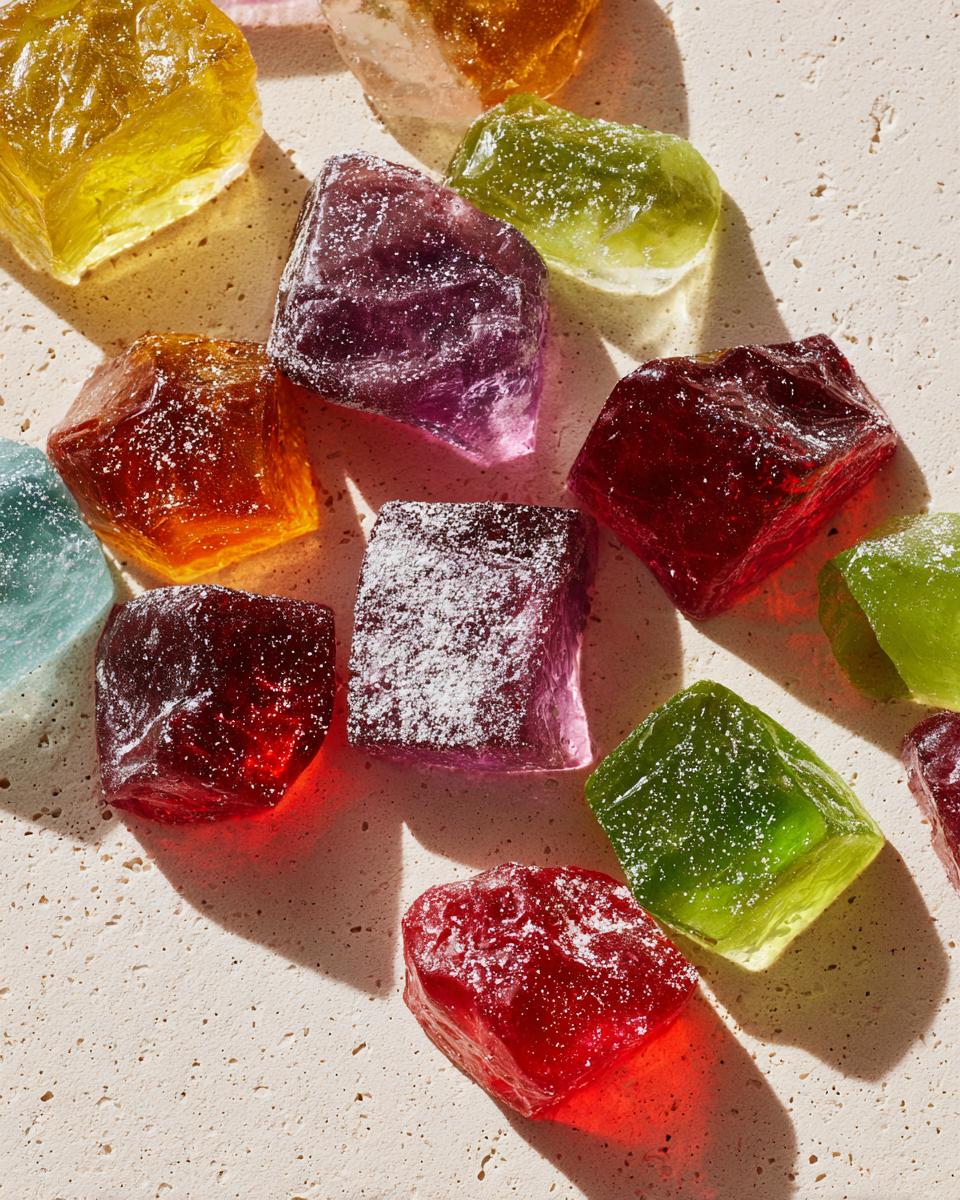
Congratulations! You’ve broken the sheet, and now you have beautiful, jewel-like pieces of Hard Candy. But here’s the deal: sugar loves humidity, and humidity hates candy. If you leave these out on the counter on a damp day, they will start weeping, sweating, and sticking together into one giant, sugary blob. We absolutely cannot let that happen after all that hard work!
The storage container is everything. Always use an airtight container. I mean *truly* airtight—the kind with a strong latch or a good rubber seal. If you don’t have one, an extra Ziploc bag with all the air pressed out works in a pinch, but the rigid container is better for preventing crushing.
Here’s my final trick: I like to add a few extra pieces of the powdered sugar I used for coating right into the bottom of the container before I drop the candy in. That extra sugar acts like a desiccant, soaking up any tiny bit of moisture that tries to sneak in.
- Temperature: Room temperature is fine, but keep it consistent—no storing near the dishwasher or oven vents!
- Humidity Control: Keep the seal tight! Humidity is the enemy of brittle sugar.
- Shelf Life: If stored correctly, these last for weeks, maybe even a month. They taste best within the first week, though!
Guidance Note: To make this super clear, present the storage rules in a simple two-column table format (Storage Condition | Rule/Action).
Frequently Asked Questions About Hard Candy
I get so many messages after people try this recipe, and honestly, most questions come down to the temperature or stirring! It’s totally normal when you are first learning how to make Hard Candy. Here are the big three things folks always ask me about once they’ve got their candy cooling on the counter.
Can I make a smaller batch of this Hard Candy recipe?
You absolutely can try, but I really caution against cutting the recipe in half. The reason is that sugar needs a certain volume in the saucepan to heat evenly and efficiently. If you use too little liquid, it heats up way too fast, and you’ll overshoot 300°F before you know it, leading to burnt sugar. For this specific recipe, the proportions are set to work perfectly with a standard stovetop burner, so I always recommend sticking to the full amount for your first successful batch!
Why did my clear hard candy turn cloudy?
Oh, that’s the dreaded cloudiness! It usually happens for one of two reasons, both related to agitation. First, if you stirred the sugar mixture *after* it started boiling, you introduced tiny air bubbles that got trapped when it hardened. Second, if you added your flavorings or colorings and then stirred too vigorously off the heat, you did the same thing! Remember, we want that glassy, clear look, so handle it gently once the boiling starts.
What is the safest way to break up the brittle candy?
Safety first, always! Once that sheet is completely cool and hard—don’t try to break it early—you need to protect yourself. I use a clean kitchen mallet, but a heavy-duty rolling pin or even the back of a sturdy metal spoon works. Put on some safety goggles or sunglasses if you have them, just in case a shard flies off. Place the sheet on a sturdy surface, cover it with a clean tea towel or parchment paper for containment, and tap firmly but deliberately until it shatters into manageable pieces for your Hard Candy jar.
Understanding the Nutritional Estimate for Hard Candy
Now, let’s talk numbers for a second. When you’re making pure sugar candy, you know it’s going to be mostly sugar, right? These figures are just a rough guide based on the ingredients used. Since this Hard Candy is pure carbohydrate, the calories mostly come from that 6 grams of sugar per piece. Don’t worry about tracking this too closely unless you’re making them every day!
It’s important to remember that this is an estimate based on dividing the total batch into many small, bite-sized pieces. If you break them into larger chunks, the numbers per piece will change.
| Nutrient | Estimated Amount (Per Piece) |
|---|---|
| Calories | 22kcal |
| Carbohydrates | 6g |
| Sugar | 6g |
Share Your Homemade Hard Candy Creations
I truly hope this recipe brings as much joy to your kitchen as it does to mine! Now that you’ve made your own batch of beautiful, shiny Hard Candy, I absolutely want to hear about it. Did you go classic cherry red, or did you try something wild like blueberry? Head down to the comments, give this recipe a rating if you loved it, and share a picture of your favorite flavor combination!
Print
Marvelous 300° Hard Candy Made Simple
- Total Time: 45 minutes
- Yield: Varies based on piece size
- Diet: Vegetarian
Description
Daniel here, founder of Reciqa. I believe good food connects people. Cooking should bring joy, not stress. I share simple, satisfying recipes for everyone. Today, we make classic Hard Candy, a sweet treat you control completely.
Ingredients
- 1 cup granulated sugar
- ⅓ cup water
- ⅓ cup clear corn syrup
- 42 drops Food coloring (liquid recommended)
- Flavor oil (e.g., strawberry, cotton candy)
- Powdered sugar for coating
Instructions
- Sift powdered sugar over the bottom of a rimmed cookie sheet or line with parchment paper. Set this base aside.
- In a medium saucepan, combine granulated sugar, water, and corn syrup. Stir gently until all sugar dissolves from the bottom.
- Place the saucepan over medium heat and bring the mixture to a boil.
- Maintain boiling until the mixture reaches 300 degrees F on a candy thermometer. Do not stir during boiling.
- Remove the saucepan from the heat once 300 degrees F is reached.
- Wait 30 seconds, then quickly add the food coloring and chosen flavor oil.
- Mix well until the color is uniform throughout the syrup.
- Act fast: Pour the mixture onto the prepared cookie sheet. Use an offset spatula to spread it evenly before it sets.
- Sift more powdered sugar evenly over the top surface of the poured candy.
- Allow the candy to cool and harden completely, which takes at least 30 minutes.
- Use a pastry brush to remove the excess powdered sugar coating.
- Use a mallet to carefully break the hardened candy into bite-sized pieces.
- Store the finished hard candy in an airtight container.
Notes
- Storage: Keep in an airtight container at room temperature, away from humidity. You can prepare this recipe 2-3 weeks in advance if stored properly.
- Do not stir the sugar mixture once it starts boiling.
- Brush down the sides of the pan with a wet pastry brush during boiling to prevent sugar crystals from forming.
- Remove the mixture from heat right at 300°F (or 295°F to account for residual heat).
- Add flavor oils off the heat so the flavor does not evaporate.
- Avoid excessive stirring after adding color to prevent cloudiness.
- Do not freeze the candy; moisture will make it sticky. Reheating is also not recommended.
- Prep Time: 10 minutes
- Cook Time: 15 minutes
- Category: Dessert
- Method: Stovetop Boiling
- Cuisine: American