

You know, making real bread shouldn’t feel like some complicated secret only professional bakers know. I’m Daniel, and I started Reciqa because I genuinely believe that good, honest food—the kind that nourishes you and connects you to what you’re eating—should be accessible to everyone. Cooking, to me, is all about comfort and making memories around the table, whether it’s a simple weeknight meal or something a bit more involved.
If you’ve ever wanted that incredible tang, that perfect, airy crumb, and the satisfaction of baking with nothing but flour and water, then you need to master the **Sourdough Starter**. This isn’t just a recipe; it’s cultivating a living thing! Trust me, once you have an active **Sourdough Starter**, your bread game changes completely. It’s less about following rigid rules and more about understanding a simple fermentation process. We’re going to get that culture bubbling happily together, and I’ll show you exactly how easy it is to keep it alive and thriving!
Why You Need an Active Sourdough Starter
I know, I know. Buying that little packet of instant yeast is fast and easy. But if you want bread that tastes like it came from an old European bakery, you need to embrace the wild yeast living in your kitchen. That tangy, complex flavor you get from a well-fed **Sourdough Starter** simply can’t be replicated by commercial yeast. It requires a little patience up front, but the payoff in flavor depth is huge.
When you use a natural culture, you’re unlocking slow fermentation, which breaks down gluten and phytic acid, making the resulting bread easier to digest. That’s a big win for your gut health, and honestly, it just tastes better!
The Flavor Advantage of a Sourdough Starter
Commercial yeast gives you a quick, one-note rise. Your **Sourdough Starter**, however, introduces lactic and acetic acids. These are what give true sourdough that beautiful, slightly sour tang that complements the wheat flavor. It’s complex, earthy, and addictive—you’ll never go back to plain white bread flavor once you taste this!
Achieving Superior Bread Texture with Your Sourdough Starter
The strength of the gluten network built through long fermentation is unmatched. This means you get that glorious, open, irregular crumb structure—the hallmark of artisan bread. Your loaves will have a better structure, a beautiful oven spring, and that satisfying chewiness that makes you want to tear into the loaf immediately.
Gathering What You Need for Your Sourdough Starter
Before we even mix water and flour, let’s talk tools. Creating a happy **Sourdough Starter** culture is mostly about having the right environment and the right food ready to go. Don’t stress out about needing fancy gear; most of this stuff is probably already sitting in your kitchen drawers right now. We just need a clean home for those wild yeasts to wake up and get comfortable.
The amounts we start with on day one are small, but getting the types of flour and water right is crucial for giving those little microbes the best possible start. Let’s look at what you need to grab before Day One.
Essential Ingredients for Your Sourdough Starter
You only need two things to kick this off, but the *type* matters! Whole wheat flour is my go-to for starting because it has more natural organisms clinging to the bran, which helps kickstart activity fast. Once it’s going, we switch over to all-purpose. Check the table below for the exact amounts you’ll need for that first mix!
| Ingredient | Amount |
|---|---|
| Whole Wheat or Unbleached All-Purpose Flour | ½ cup |
| Water (Ideally 75°F) | ¼ – ⅓ cup |
Necessary Equipment for Cultivating the Sourdough Starter
You need a clear container so you can watch the action happen! A 32-ounce glass jar or a similar bowl works perfectly because it gives the starter lots of room to grow when it gets active. You’ll also need a wooden spoon for stirring—no metal if you can help it, though I’ve done it in a pinch! Make sure you have a paper towel and a rubber band ready to cover the top loosely. This lets air in while keeping dust and pests out.
Step-by-Step Instructions to Create Your Sourdough Starter
Okay, time to get messy! This is where the magic starts, and honestly, it’s the most exciting part because you’re officially creating something alive right on your counter. Don’t worry about perfection here; we are just introducing flour and water and letting nature take over for the first day. Remember to use that slightly warm water—around 75 degrees Fahrenheit—because that warmth really encourages the yeast and bacteria to wake up and start mingling. Understanding the science of yeast is helpful here!
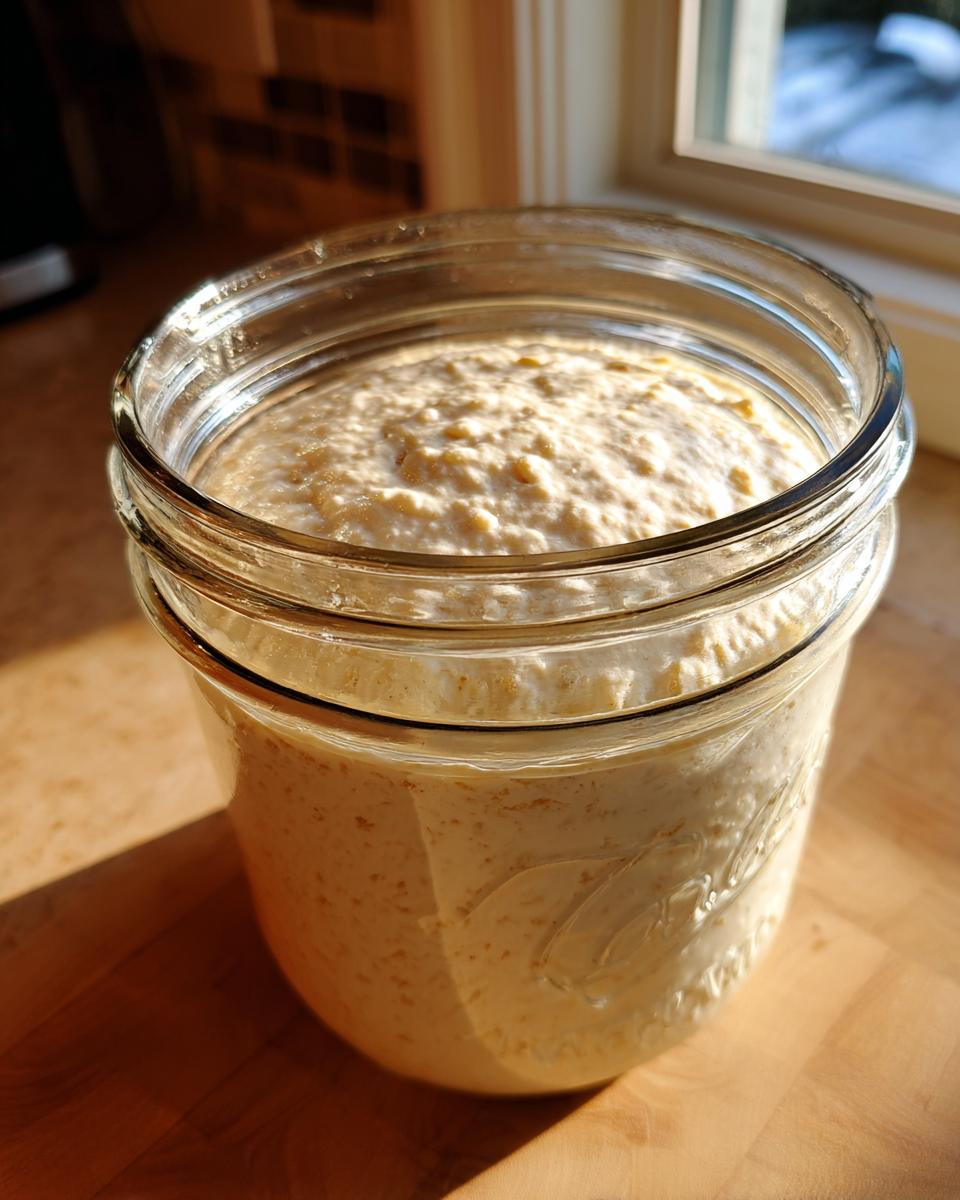
We are aiming for a consistency like thick pancake batter. If it looks too stiff, add a tiny splash more water. If it’s too soupy, add a little more flour. Once you’ve stirred it well, cover it loosely so it can breathe, and then forget about it for a full 24 hours. I like to put mine in a spot that stays consistently warm, maybe near the oven after I’ve baked something earlier in the day.
Initial Mixing and The First Wait for Your Sourdough Starter
Grab your jar and start by adding that initial half-cup of whole wheat flour and about a quarter cup of that 75°F water. Mix it vigorously with your wooden spoon until everything is combined. If it seems stiff, add that last bit of water until you hit that perfect pancake batter texture. Let that mixture sit for about 30 minutes—this little rest lets the flour fully hydrate. After the rest, give it one last stir, cover it with just your paper towel secured with the rubber band, and let your **Sourdough Starter** rest for a full 24 hours at room temperature. That first day is all about patience!
Daily Feeding Routine for the Developing Sourdough Starter
When you check on Day 2, you’ll hopefully see some signs of life—maybe a few tiny bubbles! Now we start the real routine. The most important thing to remember here is that we must discard half of what you made yesterday. I know, it feels wasteful, but you have to do this! It keeps the volume manageable and ensures the remaining microbes get a fresh, plentiful meal. After discarding, feed the remaining culture with a half-cup of all-purpose flour and the water mixture. Stir it super well and let it sit for another 24 hours.
On Day 3, you repeat that exact process: stir, discard half, feed with fresh all-purpose flour and water. Keep doing this daily. You are building strength now, and the activity should start getting more intense as the culture battles it out and settles on the strongest yeast strains. This consistent feeding schedule is vital for a healthy **Sourdough Starter**. If you are looking for a great first loaf to try, check out this simple and crusty artisan bread recipe.
Recognizing a Mature, Active Sourdough Starter
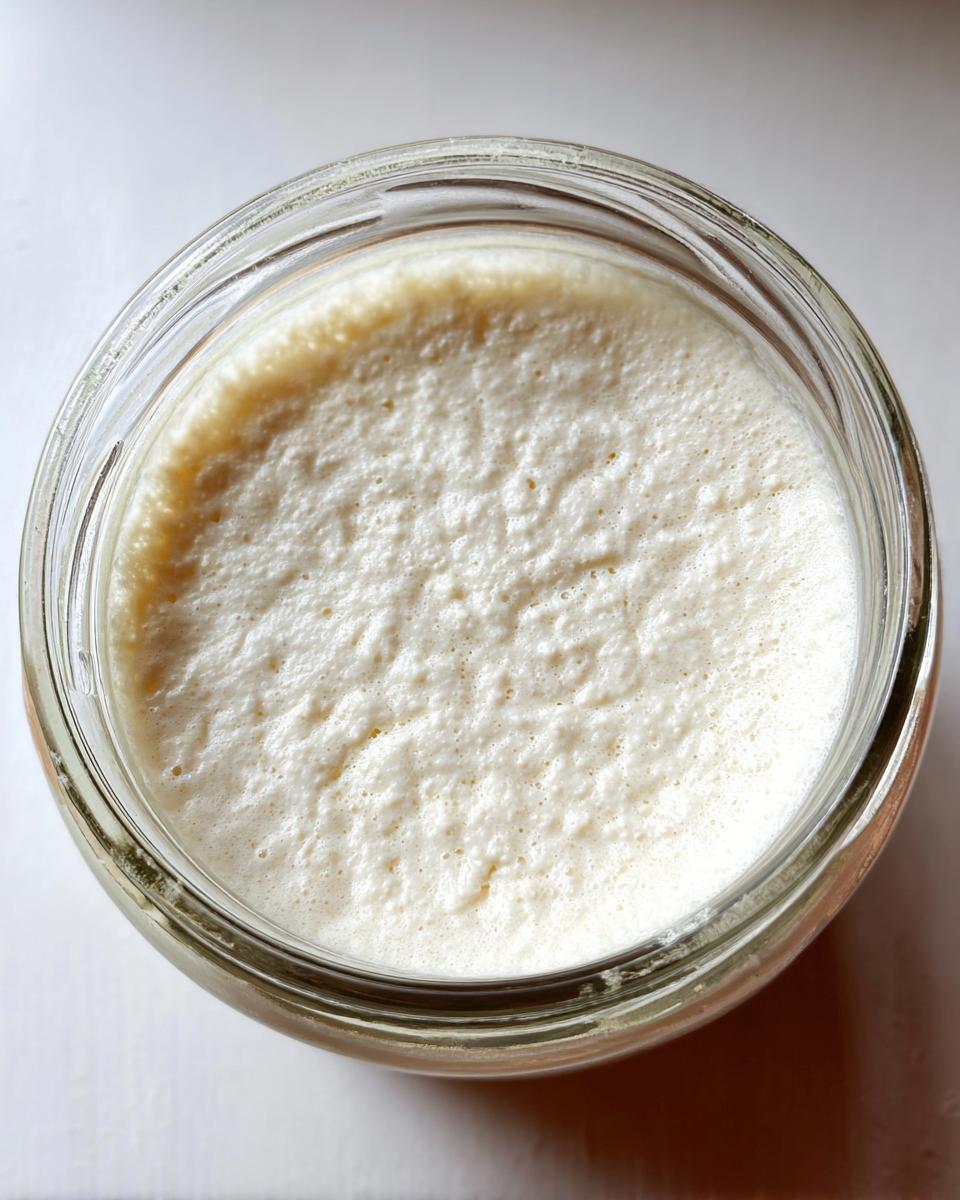
How do you know when you’re done with this initial creation phase? You’ll know your **Sourdough Starter** is truly ready to bake with when it reliably doubles in size—and I mean *doubles*—within about 8 hours after you feed it. That means it’s super strong and hungry! You might see a burst of activity on Day 4 or 5 where it doubles quickly, but if it slows down, just stick to the daily feeding schedule until you see that consistent doubling action. Once it’s reliably doubling, you’ve successfully cultivated your very own natural leavener!
Troubleshooting Common Sourdough Starter Issues
Don’t panic if your **Sourdough Starter** isn’t performing exactly like mine did on Day 2! This is completely normal. Fermentation is a science, but it’s also a living process influenced by your kitchen environment, which is why I always tell people to trust their nose and eyes more than the clock sometimes. The first few days are often the most frustrating because the initial microbial colony is still fighting for dominance.
If you are seeing zero activity or if your mixture looks too soupy, take a deep breath. We can fix this! Building trust in your culture means learning how to adjust when things don’t look perfect right away. Most issues are solved with simple tweaks to temperature or feeding ratios.
What If I See No Bubbles in My Sourdough Starter?
If you hit Day 2 or 3 and it looks exactly like you left it—no bubbles, no change—don’t throw it out! This happens all the time, especially if your kitchen is cool. Your yeast might just be moving a little slower. My main advice here is patience. Just stir it well, discard half, and feed it exactly as you did the day before. If you suspect it’s cold, try moving the jar to a warmer spot, maybe on top of your fridge or in the oven with just the light on. Sometimes, just giving it an extra 24 hours under the same feeding routine is all it needs to wake up.
Maintaining the Right Consistency in Your Sourdough Starter
The consistency we are aiming for is thick pancake batter—it should hold its shape slightly but still slump slowly. If your **Sourdough Starter** is too thin and runny (like milk), it means the water content is too high, and the yeast can’t get a good grip to build power. Next feeding, reduce the water slightly and add a touch more flour than usual to thicken it up. If it’s too stiff, like cookie dough, the microbes can’t move around easily to eat. In that case, add just a tiny bit more water during the next feed until you see that nice, slow pourable texture again.
Caring for Your Established Sourdough Starter
Congratulations! If your culture is doubling reliably, you’ve done the hard work. Now, you have an active **Sourdough Starter** that can be your forever baking buddy. The maintenance is actually easier than the activation phase, especially if you aren’t baking every single day. You have two main options: keep it active on the counter or put it to sleep in the fridge. Storing it cold is perfect for weekend bakers or those who only bake once a week or less.
The goal when storing it is to slow down the yeast activity so it doesn’t eat all its food too quickly and starve. This is where the weekly feeding comes in handy. It keeps the culture healthy and prevents it from developing too much sourness while it rests.
Refrigerator Storage for Your Sourdough Starter
When you want your **Sourdough Starter** to take a break, feed it one last time according to the normal ratio, let it sit on the counter for about an hour to get going, and then seal the jar tightly and pop it into the fridge. It’s crucial that you feed it at least once a week, even if you aren’t baking. Just take it out, discard most of it down to about a half-cup, feed it fresh flour and water, let it sit for an hour, then return it to the cold. This keeps the yeast happy and strong.
Reviving a Refrigerated Sourdough Starter Before Baking
You can’t just pull a cold starter straight from the fridge and expect it to lift a loaf of bread right away; it needs a wake-up call! About 24 hours before you plan to mix your dough, take your **Sourdough Starter** out of the fridge. Discard down to a small amount, feed it with fresh flour and water, and let it sit on the counter at room temperature. You might need to feed it a second time 12 hours later, depending on how warm your kitchen is. You are aiming for that reliable doubling in size again before you consider it ready to use in your final dough recipe. King Arthur Baking offers great tips on starter maintenance.
Frequently Asked Questions About Your Sourdough Starter
I get so many questions about this process, and honestly, it’s because everyone wants their **Sourdough Starter** to be perfect right away! Don’t worry if you have questions; that means you’re paying attention. Here are a few things I hear all the time from new bakers starting their fermentation journey.
How long does it take to build a reliable Sourdough Starter?
You should plan for at least seven full days, sometimes longer, before you can truly rely on your **Sourdough Starter** to double consistently in 8 hours. Factors like room temperature play a huge role. If your kitchen is warm, you might hit that goal faster, maybe closer to Day 5. If it’s chilly, just keep feeding patiently—it will get there!
Can I use plain bleached white flour for my Sourdough Starter?
While you *can*, I strongly advise against starting with bleached white flour. The initial activity comes from the natural microbes present on the grain, which is why we start with whole wheat flour for the first few feedings. Once you see real activity—the bubbles start appearing—then you can switch over to using your regular all-purpose flour for maintenance! For more on flour types, check out this resource on flour choices for starters.
What is the ‘discard’ in the Sourdough Starter feeding process?
The ‘discard’ is simply the portion of your **Sourdough Starter** that you remove before you feed it. We discard about half to keep the overall volume from exploding out of your jar! More importantly, removing the bulk of the old food ensures that the remaining microbes get a fresh, concentrated meal, which keeps the culture strong and active rather than just sluggishly eating old food.
Storing and Keeping Your Sourdough Starter Fresh
Once your **Sourdough Starter** is mature and reliably doubling, you need a good system for daily baking versus occasional baking. If you’re baking every day, keep it on the counter and feed it twice daily—that’s the easiest way to keep it peaking! But for most home bakers, the fridge is your best friend. It drastically slows down the feeding schedule, which saves you a ton of flour.
You want a tight lid for the fridge, which is different from the loose paper towel cover we use when it’s active on the counter. Here’s a quick visual guide on how the care changes based on where it lives:
| Storage Location | Feeding Frequency | Lid Type |
|---|---|---|
| Counter (Active) | 1-2 Times Daily | Loose Cover (Paper Towel) |
| Refrigerator (Dormant) | Once Per Week | Airtight Lid |
Share Your Sourdough Starter Baking Success
I am so thrilled that you took the leap and started cultivating your own wild yeast! Seeing those first bubbles is truly rewarding. Now that you have an active **Sourdough Starter**, I really want to hear about what you bake first! Did you make a simple loaf or maybe some tangy pancakes? Drop a comment below and let me know how your journey went, or give this guide a quick rating so other new bakers know they can do this too! If you need inspiration for what to bake next, check out our desserts section.
Print
7 Day Sourdough Starter Success
- Total Time: 7 days minimum (for activation)
- Yield: Varies (Starter Culture)
- Diet: Vegetarian
Description
Create your own active Sourdough Starter using simple ingredients like flour and water. This guide walks you through the initial mixing and daily feeding process until your starter is strong and ready for baking.
Ingredients
- ½ cup flour, whole wheat or unbleached all-purpose
- ¼-⅓ cup water (75°F is ideal)
- 1 glass jar or bowl (about 32 ounces)
- 1 paper towel
- 1 rubber band
Instructions
- Add ½ cup whole wheat flour and ¼ cup water to the jar. Add more flour, up to ¼ cup more, to reach a pancake batter consistency.
- Let the mixture rest for 30 minutes. Stir it with a wooden spoon. Set aside for the first feeding.
- Stir the mixture thoroughly. Cover the jar with a paper towel and secure it with a rubber band.
- Allow the starter to sit for 24 hours at room temperature in a warm area.
- After 24 hours, check for bubbles. If bubbles appear, add ½ cup all-purpose flour and ¼-⅓ cup water. Stir well.
- If no bubbles appear, stir the mixture and let it sit for 24 more hours.
- Repeat the feeding process on the second day: check for bubbles, remove half of the starter, add ½ cup all-purpose flour and ¼-⅓ cup water, and stir thoroughly. Let sit 24 hours.
- Repeat the feeding process on the third day: remove half of the starter, feed with ½ cup all-purpose flour and ¼ cup water, stirring thoroughly. Let sit 24 hours.
- Continue feeding twice a day if you plan to use the starter frequently. Maintain this routine until the starter consistently doubles in size within 8 hours of feeding.
- Once active, you can move the starter to the refrigerator and feed it weekly. Feed it 24 hours before you plan to use it, allowing it time to warm up and become active.
Notes
- Water temperature around 75°F aids yeast activity.
- Warmer room temperatures speed up the starter’s development.
- Consistency should resemble a thick batter.
- Discarding half the starter before feeding manages volume and provides fresh food for the remaining microbes.
- A mature starter doubles in volume predictably after feeding.
- Prep Time: 10 minutes
- Cook Time: 0 minutes
- Category: Baking Base
- Method: Wild Fermentation
- Cuisine: American/General