

Pfeffernusse (German Spice Cookies) are here to transform your baking routine! If you’ve been looking for a cookie that packs a serious flavor punch—something warm, complex, and perfect for a cozy afternoon—then you’ve found your new favorite recipe. Forget those bland, store-bought cookies; these little spice bombs are incredibly rewarding to make.
Hi, I’m Daniel, and I started Reciqa because I truly believe that cooking shouldn’t feel like a chore. For me, getting into the kitchen has always been about finding comfort and making memories. I love sharing recipes that are straightforward, joyful, and taste like they took hours, even if they didn’t. We focus on simple, delicious food here!
That philosophy fits perfectly with these traditional German treats. Making authentic Pfeffernusse (German Spice Cookies) is surprisingly easy, and the aroma that fills your house while they bake is just pure magic. Seriously, you won’t believe how much flavor we pack into these small rounds!
Gathering Ingredients for Amazing Pfeffernusse (German Spice Cookies)
Okay, the secret to truly incredible Pfeffernusse (German Spice Cookies) isn’t complicated equipment; it’s about respecting the spices! When you look at this ingredient list, it might seem like a lot of powders, but trust me, measuring them carefully is the most important part of this recipe. You want that perfect, warm balance, not just one spice taking over.
We need to group our ingredients so we don’t forget anything during the mixing process. It really helps keep things calm when you’re dealing with this many aromatic components. Don’t rush this prep stage; it sets up the whole cookie for success.
Dry Components for Your Pfeffernusse (German Spice Cookies)
This is where the magic happens! We’re talking cinnamon, cloves, nutmeg, allspice, ginger, cardamom, and even a little black pepper. That pepper gives it the tiniest kick—don’t skip it! You must use measuring spoons for these spices; eyeballing them leads to unbalanced Pfeffernusse (German Spice Cookies). Whisk all these spices together with the flour and baking soda until everything is evenly distributed. I like to sift them together twice just to make sure there are zero clumps of baking soda hiding anywhere.
Wet Ingredients and Sweeteners
For the wet side, we need butter, sugar, molasses, one egg, and the star anise extract. Listen, the butter has to be room temperature—and I mean *soft* room temperature, not melted! If it’s cold, it won’t cream properly with the sugar, and your texture for these Pfeffernusse (German Spice Cookies) will be off. Molasses is thick, so scrape that measuring cup clean! That dark, rich flavor is crucial.
The Essential Sweet Finish
The last thing we look at is the powdered sugar. That’s for dusting later, so set it aside! We don’t mix that into the dough at all. These cookies get their signature look and a final layer of sweetness after they come out of the oven, which is a really fun step.
Essential Equipment for Perfect Pfeffernusse (German Spice Cookies)
You don’t need a million fancy gadgets for these Pfeffernusse (German Spice Cookies), but having the right tools makes the process smoother. If you have a stand mixer, use it! If you don’t, a good hand mixer works just fine for creaming the butter and sugar, but be prepared to use your arm muscles a bit more.
You’ll definitely need a couple of sturdy mixing bowls—one for your dry spices and flour, and another for beating the wet ingredients. Parchment paper is non-negotiable for me; it keeps cleanup simple and ensures these delicate Pfeffernusse (German Spice Cookies) don’t stick to the pan.
My absolute favorite tool here is a standard cookie scoop. It makes sure every cookie is the same size, which means they all bake evenly in that short 8 to 10 minutes they spend in the oven. Consistency is key for perfect Pfeffernusse (German Spice Cookies)!
Step-by-Step Instructions for Pfeffernusse (German Spice Cookies)
Now we get to the fun part—putting all those beautiful spices together! Don’t worry about the long ingredient list; the actual mixing goes super fast once you have everything measured out. We are going to follow a very specific order here to make sure these Pfeffernusse (German Spice Cookies) hold their shape and get that perfect chewy center.
Combining Dry and Wet Mixtures
First things first, grab that big bowl you set aside for the dry stuff. Whisk together all those amazing spices—cloves, cardamom, pepper, the works—with the flour and baking soda. You really want to make sure that baking soda is completely distributed so you don’t end up with a weird salty spot later on. Set that bowl aside.
Next, switch over to your mixer bowl. Beat the room-temperature butter and sugar until they are light and fluffy—this is what gives the cookies tenderness. Then, mix in your molasses and that single egg. Once that’s smooth, slowly start adding your dry flour mixture. Mix on low speed! You only want to mix until the flour streaks just disappear. If you mix too much here, these Pfeffernusse (German Spice Cookies) might get tough, which we absolutely do not want.
Chilling the Dough for Texture Control
This step is non-negotiable, especially if your kitchen is warm. Cover that bowl tightly with plastic wrap and tuck it into the refrigerator for a solid hour. Why the wait? Well, these cookies have a decent amount of molasses, which makes the dough soft. Chilling solidifies the fat in the butter. This prevents your perfectly shaped little balls from spreading out into flat discs while they bake. Trust me, waiting an hour saves you from sad, flat Pfeffernusse (German Spice Cookies)!
Shaping and Baking Your Pfeffernusse (German Spice Cookies)
Once the dough is firm, preheat your oven to 350°F. Get your baking sheets lined with parchment paper—this makes cleanup a breeze. Now, use your cookie scoop to create balls that are about 1 ½ tablespoons each. They should be nice and round. Space them about two inches apart because they might spread just a tiny bit. Pop them in the oven for 8 to 10 minutes. Watch them closely! You are looking for the edges to look firm; they won’t brown much because of the molasses, so don’t wait for deep color.
The Final Dusting for Traditional Pfeffernusse (German Spice Cookies)
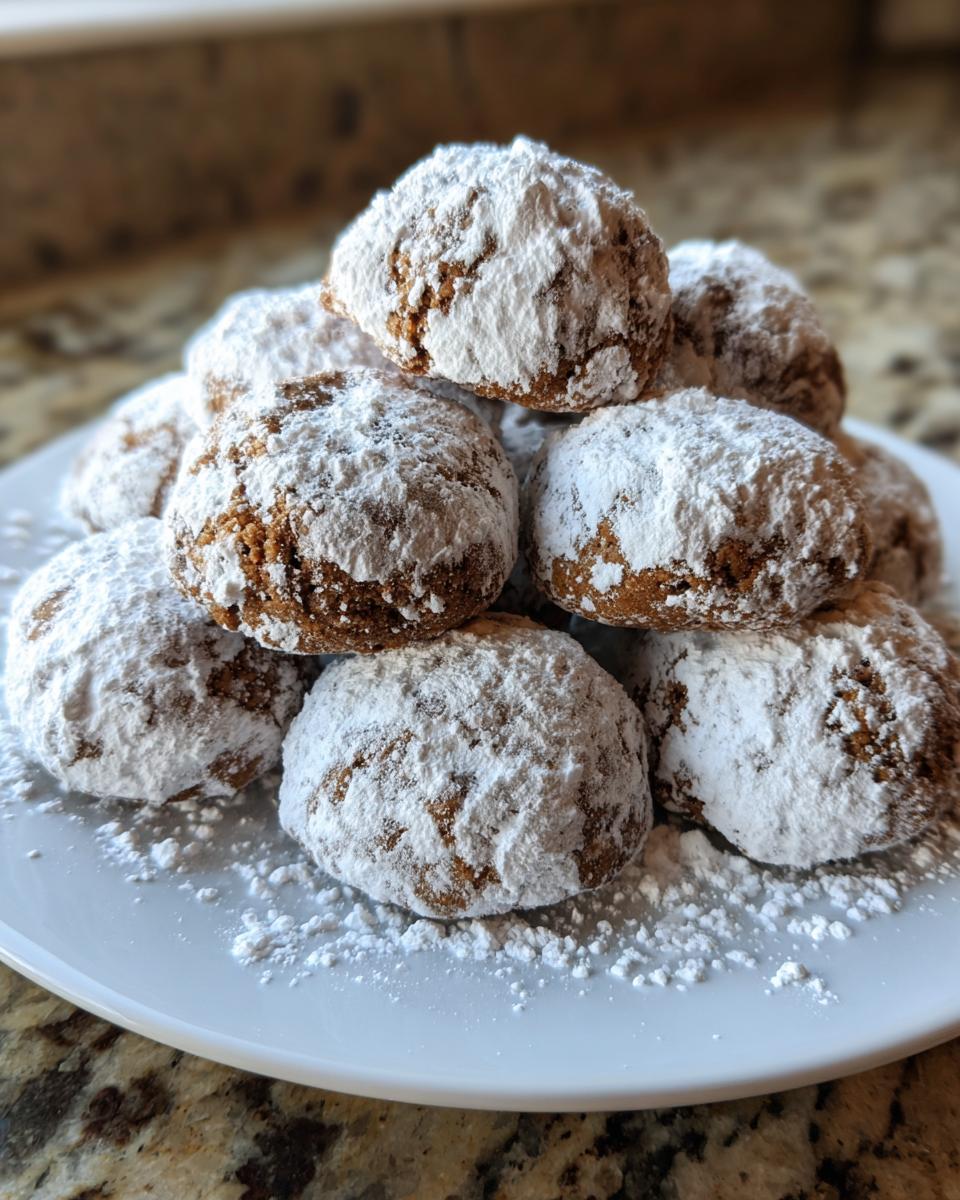
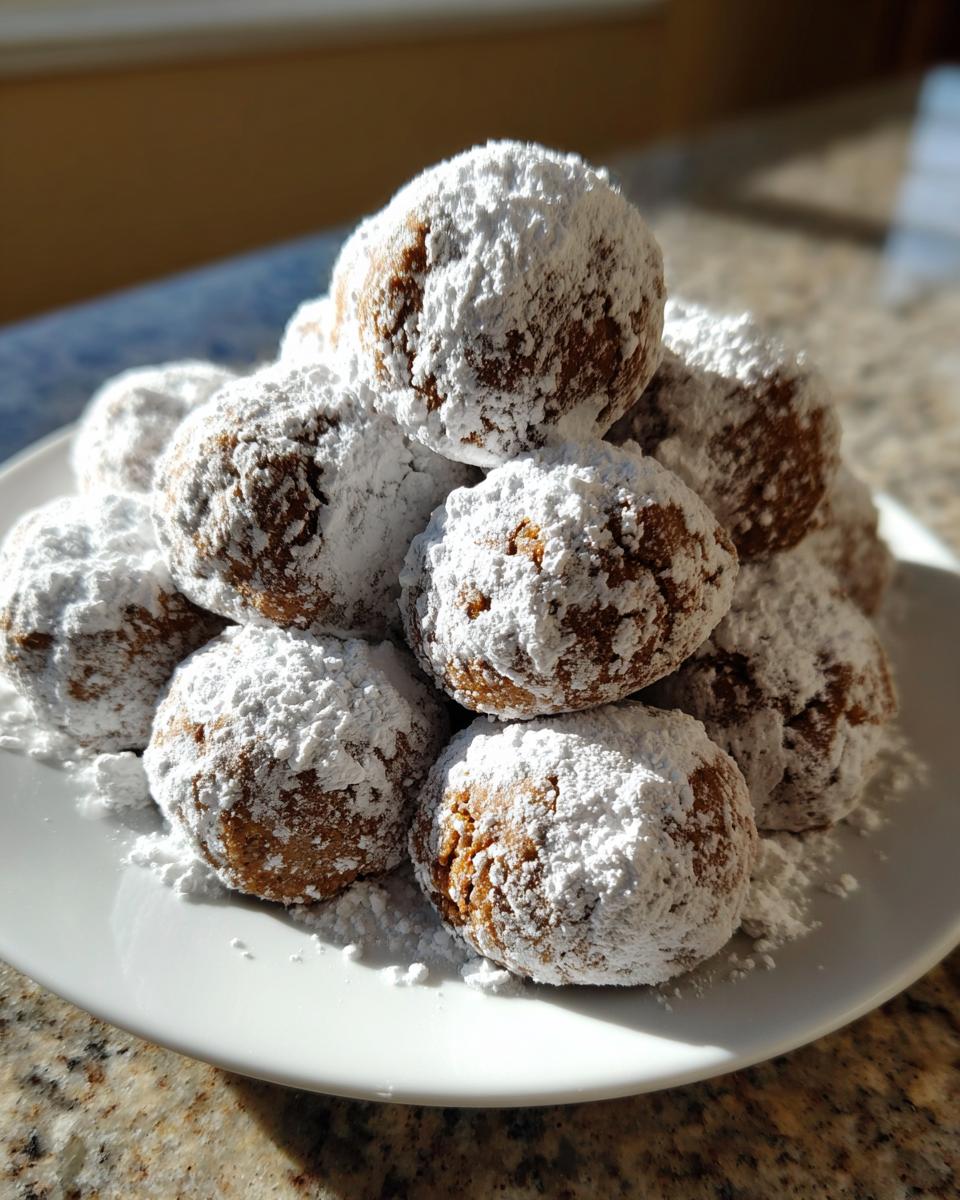
This is the signature look! As soon as they come out, let them sit on the hot pan for about five minutes. They are still very delicate right now. Then, move them gently to a cooling rack. Now, take your powdered sugar and a sifter—you need a generous amount. Dust every single cookie heavily on one side. Let that first layer set up for about ten minutes, and then dust them again on the same side, and flip and dust the other side. You might need to dust them three times to get that beautiful, thick white coating that traditional Pfeffernusse (German Spice Cookies) demand. Don’t try to eat them until they are completely cool, or the sugar will melt right off!
Tips for Success with Your Pfeffernusse (German Spice Cookies)
Getting these amazing Pfeffernusse (German Spice Cookies) just right comes down to a couple of small details that make a huge difference in the final product. It’s all about texture management and respecting those powerful spices. If you follow these little tricks, you’ll have cookies that are perfectly chewy and bursting with holiday flavor.
Achieving the Right Dough Consistency
If your dough feels too sticky when you go to scoop it out after chilling, you might have undermixed the flour, or maybe your kitchen runs really warm. Don’t panic! If it’s too soft, just pop it back in the fridge for another 20 minutes. On the flip side, if you overmixed after adding the flour, the cookies might bake up a little too firm. The key is gentle mixing right at the end. We want that soft, slightly tacky dough before chilling; anything too stiff means you’ve already developed too much gluten.
Spice Quality and Anise Flavor
Since these are called spice cookies, the quality of your spices matters a lot! If your cinnamon or cloves have been sitting in the back of your cupboard for three years, they won’t give you that deep, warm aroma these Pfeffernusse (German Spice Cookies) are famous for. Try to use spices you’ve bought in the last year for the best results. Proper spice storage is essential for maximum flavor.
Also, that anise extract—it’s potent! It’s what gives German spice cookies their unique, slightly licorice-like backbone. A little goes a long way, so make sure you measure that extract carefully. It’s what separates these from your standard gingerbread.
Frequently Asked Questions About Pfeffernusse (German Spice Cookies)
I get so many questions about these amazing little German cookies, especially around the holidays! People want to know how to keep that spice flavor bright and how far ahead they can prep. Don’t worry, making these Pfeffernusse (German Spice Cookies) is easy, and so is storing them.
How long do Pfeffernusse (German Spice Cookies) stay fresh?
These keep really well because of the molasses content, which acts as a natural preservative! Once they are completely cooled and dusted, you can store your finished Pfeffernusse (German Spice Cookies) in an airtight container right on the counter at room temperature. They are usually good for up to five days, holding their texture beautifully. They actually taste even better on day two once those spices really meld together!
Can I make the dough for Pfeffernusse (German Spice Cookies) ahead of time?
Yes, and I highly recommend it! Making the dough ahead of time is a lifesaver when you’re busy baking. You can keep the raw dough tightly wrapped in the refrigerator for up to three days. If you need even more time, you can freeze the dough balls—just wrap them very securely in plastic wrap first, then place them in a freezer-safe container. When you’re ready to bake your Pfeffernusse (German Spice Cookies), just thaw the dough overnight in the fridge before rolling and baking. It makes holiday prep so much easier! If you are interested in other make-ahead recipes, check out our selection of desserts.
Storing and Keeping Your Pfeffernusse (German Spice Cookies) Fresh
These aromatic Pfeffernusse (German Spice Cookies) are famous for tasting even better the day after you bake them! Because they are dense and rich in molasses, they don’t dry out easily. The key to keeping that perfect texture and intense spice flavor is proper storage. Always make sure your cookies are completely cool before you seal them up, otherwise, you’ll get condensation, and that ruins the powdered sugar coating!
For the best results, keep them at room temperature in a container that seals tightly. You can stack them gently, but try not to press down too hard, especially if you have a thick layer of powdered sugar on them. It’s simple storage, but it makes a big difference in how long these German spice cookies stay delicious. For more baking tips, you might find this guide on sugar cookie frosting helpful for future reference.
Table: Storage and Reheating Guidelines
Here is a quick reference guide for keeping your hard work fresh:
| Method | Duration | Notes |
|---|---|---|
| Airtight Container (Room Temp) | Up to 5 Days | Best flavor development happens on Day 2. |
| Refrigerated Dough | Up to 3 Days | Allows for baking fresh batches later. |
| Frozen Dough Balls | Long Term | Thaw overnight in the fridge before baking. |
Understanding the Nutrition in Your Pfeffernusse (German Spice Cookies)
I know we bake these delicious Pfeffernusse (German Spice Cookies) for the flavor and the fun, but sometimes it’s nice to see the numbers, right? I want to be super clear—the figures below are just estimates based on the ingredients we used. Since we are dealing with rich molasses and butter, they are certainly a treat! But hey, that’s what baking is all about—enjoying the richness in moderation.
Estimated Nutritional Breakdown Table
Here is a rough idea of what you are looking at per cookie. Remember, these are estimates, so treat them as a guideline!
| Nutrient | Amount (Estimate) |
|---|---|
| Serving Size | 1 cookie |
| Calories | Approx. 110 |
| Fat | Approx. 4g |
| Carbohydrates | Approx. 17g |
| Protein | Approx. 1.5g |
Share Your Delicious Pfeffernusse (German Spice Cookies) Experience
I truly hope you loved making these amazing Pfeffernusse (German Spice Cookies) as much as I do! They are little bites of spiced heaven, and I can’t wait to hear what you think. Did the anise come through just right? Did you manage to get that perfect powdery coating? Please leave a rating below and tell me all about your baking adventures in the comments!
Print
Amazing Pfeffernusse (German Spice Cookies) 1 Step
- Total Time: 1 hour 25 minutes (includes chilling)
- Yield: About 2 dozen cookies
- Diet: Vegetarian
Description
Pfeffernusse are traditional German spice cookies, perfect for holiday baking or enjoying anytime you want a flavorful, spiced treat. This recipe provides a simple method for making these wonderfully aromatic cookies.
Ingredients
- ¼ teaspoon ground cardamom
- ¼ teaspoon ground cloves
- ½ teaspoon salt
- ½ teaspoon ground allspice
- ½ teaspoon ground ginger
- ½ teaspoon ground nutmeg
- ½ teaspoon ground black pepper
- 1 teaspoon ground cinnamon
- 1 teaspoon baking soda
- 2 cups all purpose flour
- 1 teaspoon anise extract
- 1 large egg
- ⅓ cup molasses
- ½ cup granulated sugar
- ½ cup butter room temperature
- 1 cup powdered sugar
Instructions
- Whisk together all the spices and all-purpose flour in a large bowl.
- Beat together butter, sugar, molasses, egg, and anise extract using a stand mixer or handheld mixer until smooth.
- Slowly add the flour mixture and mix until well incorporated.
- Cover the bowl and place it in the refrigerator for 1 hour.
- Preheat your oven to 350°F.
- Scoop the dough using a cookie scoop, making balls about 1 ½ tablespoon each.
- Place dough balls on a cookie sheet lined with parchment paper.
- Cook for 8-10 minutes or until the edges are firm.
- Let the cookies cool for about 5 minutes on the baking sheet.
- Using a sifter, dust each cookie with powdered sugar on both sides. You might need to dust them several times for full coverage.
- Let the cookie cool completely before serving.
Notes
- Store the cookies in an airtight container at room temperature for up to 5 days.
- Refrigerating the dough for one hour prevents the cookies from spreading while baking.
- Uncooked dough keeps in the refrigerator for up to 3 days.
- You can freeze the dough by wrapping it tightly in plastic wrap and placing it in an airtight container. Thaw the dough overnight in the refrigerator before baking.
- Prep Time: 15 minutes
- Cook Time: 10 minutes
- Category: Dessert
- Method: Baking
- Cuisine: German