

Ginger Soy Tuna Steak (Low Sodium, No Oil) is the secret weapon you need when you want a fantastic dinner on the table in under 30 minutes. Are you tired of quick meals that leave you feeling heavy or loaded with salt? I get it! Cooking, for me, has always been about finding that sweet spot where flavor, ease, and nourishment meet. My name is Daniel, and I started Reciqa because I believe good food should bring joy without demanding hours in the kitchen or leaving you reaching for the antacids later.
We focus on making real food accessible. This isn’t about complicated techniques; it’s about smart ingredient choices that deliver huge flavor fast. That’s why I’m so excited to share this recipe with you. This Ginger Soy Tuna Steak (Low Sodium, No Oil) proves you don’t need heaps of fat or salt to get that incredible, restaurant-quality sear. Trust me, you’ll be making this all week!
Gathering Your Ingredients for Ginger Soy Tuna Steak (Low Sodium, No Oil)
When we’re aiming for something low sodium and no oil, every single ingredient has to pull its weight. We aren’t relying on heavy fats or excess salt for flavor here, so the quality of what we *do* use really shines through. For this quick dinner, you only need four things, but they have to be the right things!
The tuna steak itself is the star, so please, if you can, grab a beautiful, thick cut. It sears so much better and tastes infinitely fresher. Also, pay attention to the soy sauce—since we’re watching the sodium, using a genuine low-sodium version is non-negotiable. If we used the regular stuff, we’d have to cut the amount, and then the flavor just wouldn’t pop the way it should!
The ginger brings the bright heat, and pepper is just there to round everything out. It’s honestly brilliant how much flavor we pack into such a short ingredient list. Let’s get these components ready before we start mixing anything up.
Essential Components for This Ginger Soy Tuna Steak (Low Sodium, No Oil) Recipe
Here is exactly what you need. I’ve made sure the measurements are precise because, with so few items, accuracy matters!
| Ingredient | Amount | Notes/Preparation |
|---|---|---|
| Tuna steak | 1 serving | Use a thick, high-quality, fresh cut if possible. |
| Low-sodium soy sauce | 2 tablespoons | Crucial for flavor without excess salt. |
| Grated ginger | 1 teaspoon | Freshly grated is best for that punch! |
| Pepper | To taste | Freshly ground works best for aroma. |
Preparing Your Pan for Ginger Soy Tuna Steak (Low Sodium, No Oil)
Okay, before we even think about turning on the heat, we need to handle our equipment, especially since we are skipping the oil entirely! This is where a good sear starts, and if your pan isn’t right, you’ll end up with sad, sticky tuna instead of that beautiful crust we’re aiming for. Don’t worry, it’s simple, but attention to detail here is key for this no-oil method.
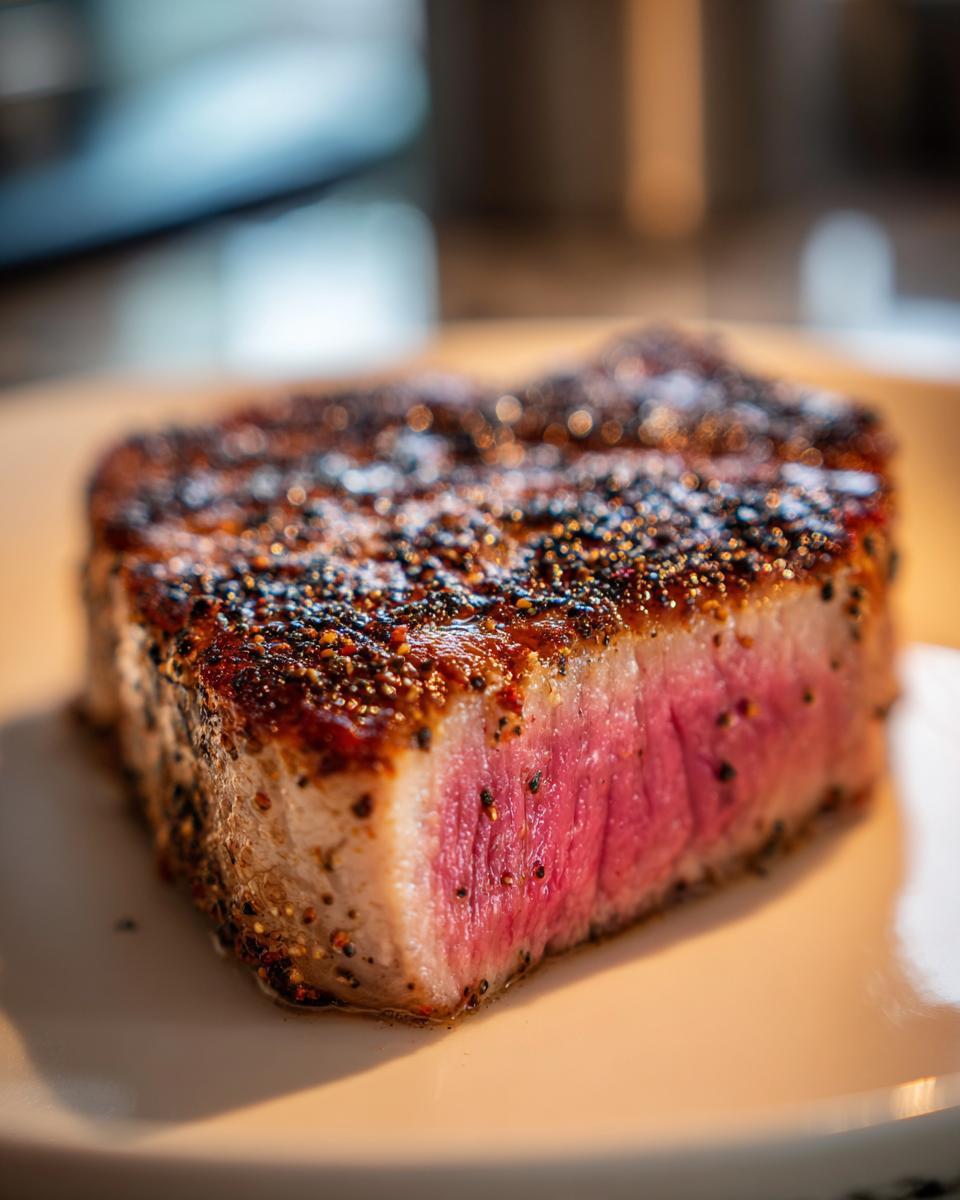
For this recipe, you need two main things ready to go before the 20 minutes of marinating time is up. First, you need a sturdy, reliable non-stick pan. Seriously, I cannot stress this enough—a good non-stick surface is your best friend when you’re searing without any added fat. That’s protecting your precious tuna steak!
Selecting the Right Equipment
Make sure you have these items clean and ready next to your stove:
- A high-quality, heavy-bottomed non-stick skillet.
- A shallow dish or plate that is just big enough to hold your tuna steak for marinating.
- Tongs for flipping—you don’t want to pierce the tuna!
Once the pan is ready and the tuna is marinating, we’ll move on to that crucial preheating step. Getting the pan hot enough *before* the fish goes in is what creates that instant crust we love.
Mastering the Marinade for Ginger Soy Tuna Steak (Low Sodium, No Oil)
Now we get to the fun part where the flavor really starts building! Since we are skipping the oil, the marinade has to do all the heavy lifting to season the tuna perfectly. This step is super quick, but it sets the stage for that amazing sear later on. It’s all about balancing the salty umami from the soy sauce with the bright, warming spice of fresh ginger.
When I first started making this, I was nervous about the ginger. I thought, “One teaspoon sounds like a lot of spice!” But honestly, tuna steak is robust enough to handle it, and since we’re using low-sodium soy sauce, we need that ginger punch to really wake everything up. If you’re someone who loves heat—like I do—you might even bump that up to a teaspoon and a half. If you’re timid, start with just half a teaspoon. Taste testing your marinade before the fish goes in is always a good idea, even if it’s just a tiny dip of a clean spoon!
Mixing the Flavor Base
Take your shallow dish—the one that’s just big enough for your tuna steak to lay flat—and pour in those two tablespoons of low-sodium soy sauce. Next, grate in your teaspoon of fresh ginger. Don’t use the jarred stuff if you can help it; the fresh stuff is so much brighter. Then, hit it with your pepper. I like a good grind of black pepper; it adds that little aromatic bite right at the end of the flavor profile.
Gently whisk those three things together with a fork until they look slightly cloudy. You want to make sure that ginger is evenly distributed through the soy sauce. That’s it for the mixing phase! See? We’re already almost done with the flavor building.
Marinating Time and Technique
This is where patience comes in, but not too much patience, thankfully! Lay your tuna steak right into that shallow dish, making sure it’s completely coated in the ginger-soy mixture. If you have any extra marinade left, you can just spoon a little bit over the top of the fish. Now, you have to let it sit for 20 minutes. Seriously, don’t cheat this step!
Twenty minutes seems like a long time when you’re hungry, but it’s just enough time for the low-sodium soy sauce to penetrate the edges of the tuna without actually cooking it or making it mushy. If you marinate much longer than 25 minutes, especially with the acidity of the ginger, you risk starting to ‘cook’ the outside, which messes up our sear! So, set a timer for 20 minutes, and use that time to get your pan screaming hot for the next step.
The Perfect Sear: Cooking Your Ginger Soy Tuna Steak (Low Sodium, No Oil)
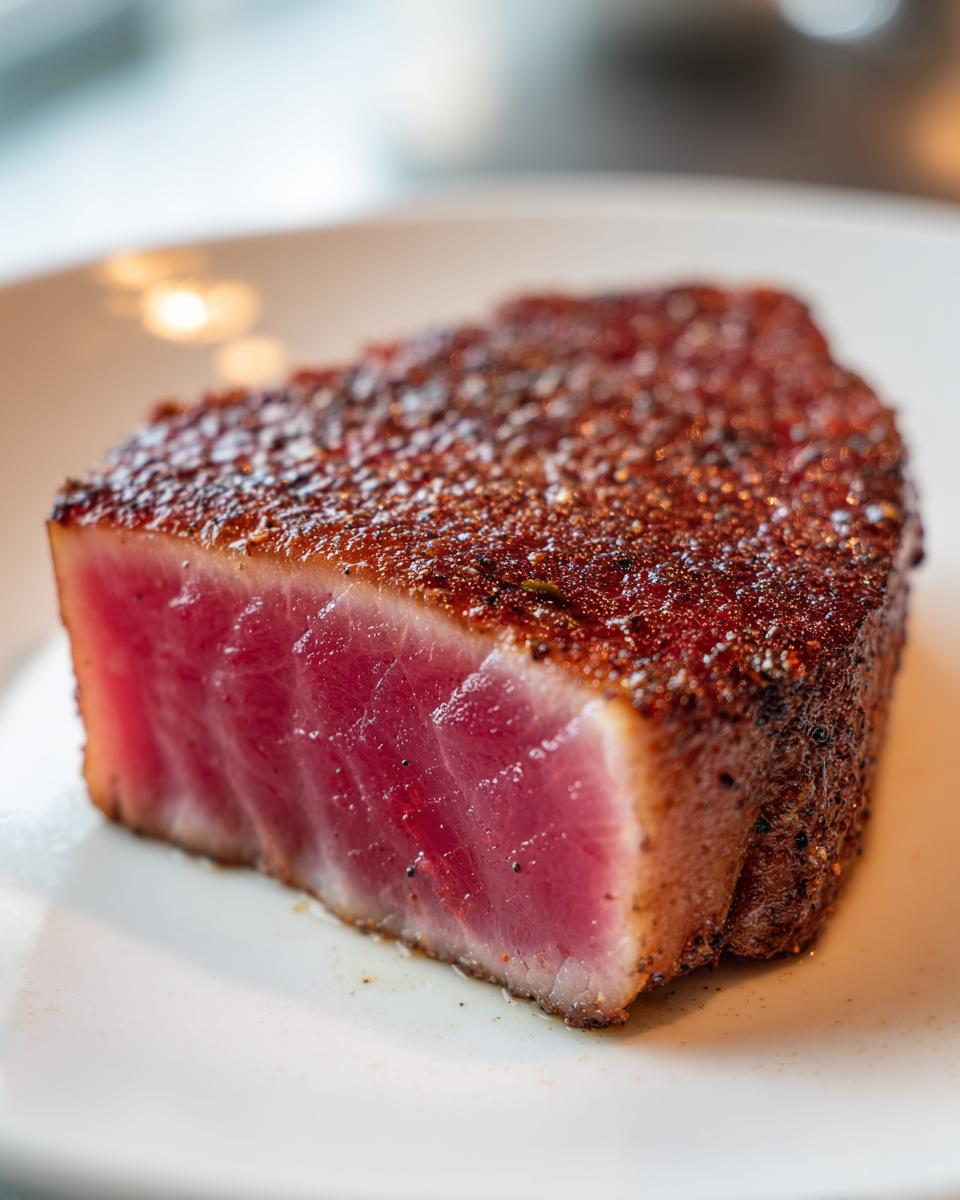
Alright, the marinade timer just went off, and now we move into the most exciting part: the actual cooking! Because we are skipping oil, this part requires focus. If you’ve followed the prep work correctly, you are about to witness magic happen on that non-stick surface. We are aiming for a beautiful, dark, flavorful crust on the outside while keeping the inside tender and slightly pink—that’s what makes a great tuna steak, right?
Remember, the entire cooking time is only about six minutes total, so you can’t walk away or get distracted now. Have your serving plate ready nearby so you can move the tuna immediately when it’s done. This quick cooking time keeps the texture perfect and locks in all that amazing ginger-soy flavor we built up during marination.
Heating the Pan Correctly
This is Step 4, and it’s the absolute key to success when searing with no oil. Take your clean, dry non-stick pan and place it over medium-high heat. Now, you just let it sit there. Don’t rush it! You need that pan to get genuinely hot—hotter than you might think you should go for fish. This high heat is what instantly sears the surface of the tuna, creating that crust barrier before the inside has time to overcook.
How do you know it’s ready? You don’t add oil, so you can’t watch for shimmering oil. Instead, flick a tiny drop of water onto the pan. If it sizzles violently and evaporates instantly, you’re good to go. If it just sits there, keep heating. If it forms a tiny bead that dances around the pan before evaporating, that’s perfect! If it just steams, it’s not hot enough yet.
Searing Technique for Ginger Soy Tuna Steak (Low Sodium, No Oil)
When the pan is hot, gently lay your marinated tuna steak flat onto the surface. Don’t slide it; place it straight down. You should immediately hear a strong, happy sizzle—that’s the sound of your crust forming! This is Step 5. Let it sear undisturbed for exactly three minutes. Don’t peek, don’t prod it, just let that crust develop its color and flavor.
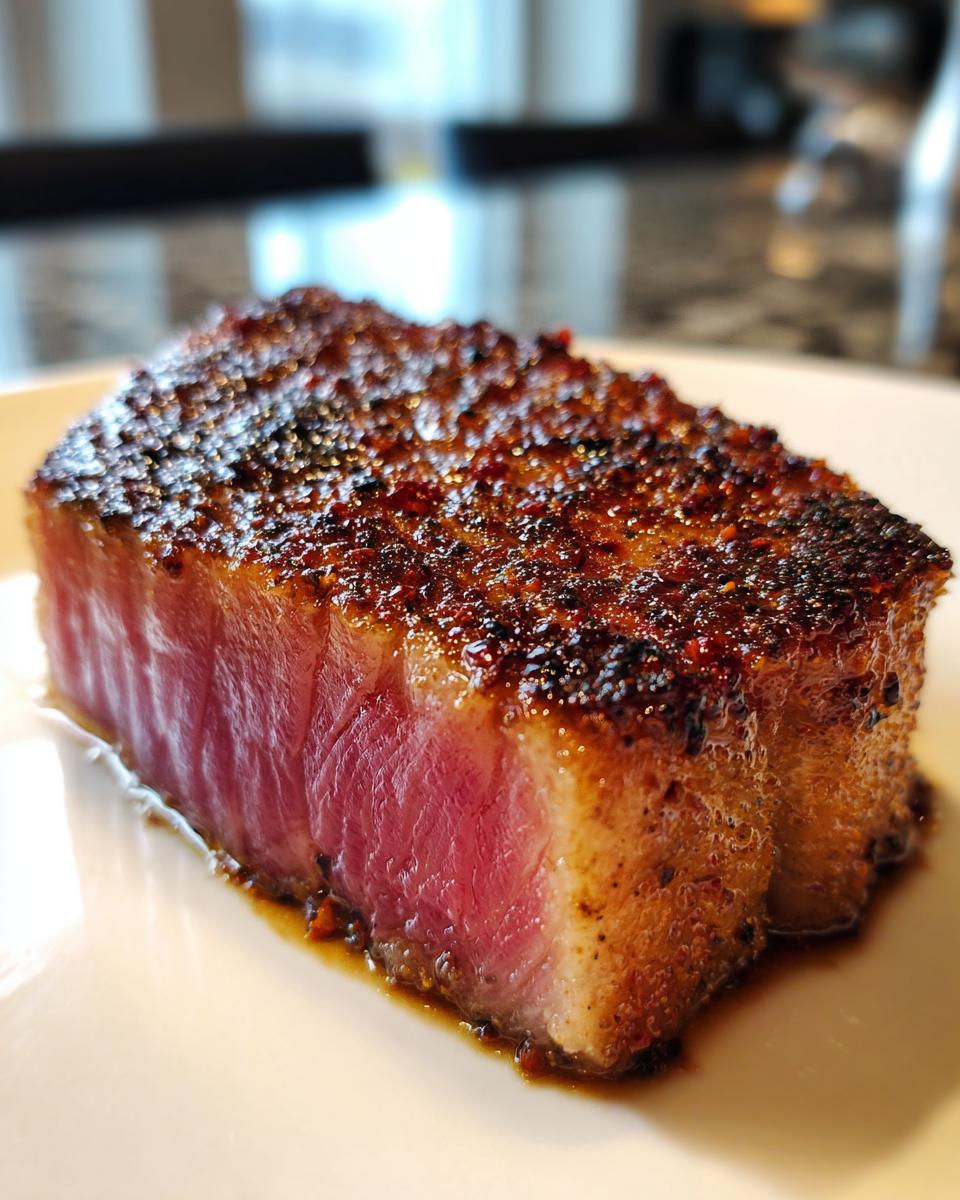
After three minutes, use your tongs to gently flip the steak over (Step 6). Now, sear the second side for another three minutes. For a beautiful medium-rare, that six-minute total window is usually spot on, especially for a standard-sized steak. If your steak is super thick, you might go 3.5 minutes on the first side and then 3 minutes on the second. When you take it off, it should feel firm when gently pressed in the center, but still have a slight give. Remove it right away and let it rest for just a minute before you slice it! That short rest helps redistribute the juices.
Tips for Success with Your Ginger Soy Tuna Steak (Low Sodium, No Oil)
We’ve mastered the quick sear, but a few little secrets can take this healthy seafood dinner from great to absolutely unforgettable. Since this recipe relies so heavily on just a few fresh components, making smart choices about those ingredients really pays off. Don’t let the simplicity fool you; a little attention to quality here makes a huge difference in the final texture and taste!
I want you to feel completely confident pulling this off every time, even on a busy Tuesday night. Remember, the goal is maximum flavor with minimum fuss and fat, so let’s focus on the two things that matter most: the fish and the fire!
Choosing High-Quality Tuna
I mentioned this briefly before, but seriously, go for the best tuna steak you can find. If you see tuna that looks pale or has been sitting around, skip it. You want that deep, vibrant red color that screams fresh. A high-quality, thick steak is easier to handle when searing because it gives you more surface area to develop that crust without the inside turning gray too fast. Think of it as investing in your six-minute cook time!
Adjusting Spice Levels
Ginger is powerful stuff, and everyone’s palate is different, right? If you are worried about overpowering the delicate flavor of the tuna, start small. Try just half a teaspoon of grated ginger for your first batch. Once you try it and realize how well the tuna handles that warming spice, you can bump it up next time. My personal sweet spot is just a hair over the one teaspoon mark, but you need to find yours! Don’t be afraid to experiment a little with that fresh spice; it’s what makes this recipe truly yours.
Frequently Asked Questions About This Quick Dinner
I know when you’re looking for a quick dinner, you have questions about flexibility! This recipe for Ginger Soy Tuna Steak is designed to be simple, but sometimes life demands a swap or a substitution. Don’t panic if you’re missing one tiny thing; we can usually work around it without ruining the low sodium or no oil goals. Let’s tackle the most common concerns I hear about this healthy seafood dish.
These answers focus on keeping the integrity of the flavor profile while making the recipe work for you. It’s all about smart cooking, not stressful cooking!
Can I use canned tuna instead of fresh tuna steak?
You technically can, but I wouldn’t recommend it for this preparation. This recipe is designed for a thick, high-quality tuna steak to achieve that beautiful exterior sear while remaining rare inside. Canned tuna is already fully cooked and packed in water or oil, so you won’t get the crust we are looking for, and the texture will be entirely different—more crumbly than firm. Stick to fresh tuna steak for the best results here!
What can I substitute for low-sodium soy sauce?
If you are avoiding soy for gluten reasons or just don’t have the low-sodium version, Tamari is a fantastic, direct swap, though you should still look for a low-sodium variety if possible. Coconut aminos are another great option if you need a soy-free alternative. Just be aware that coconut aminos are naturally a bit sweeter, so you might want to slightly reduce the amount you use or skip adding any extra sugar if you happened to use some!
How do I know when my Ginger Soy Tuna Steak is done cooking?
Since we are cooking fast at high heat, it’s all about the exterior crust and the feel. After the total six minutes of searing, the outside should be dark brown and firm to the touch. If you gently press the center with your finger, it should spring back slightly but still feel soft. If it feels rock hard, you’ve gone too far! For a perfect medium-rare, the very center should still look slightly translucent pink when you slice into it.
Storing and Reheating Leftover Ginger Soy Tuna Steak (Low Sodium, No Oil)
One of the great things about this quick dinner is that it reheats surprisingly well, provided you handle it gently. Since we cooked this tuna steak low and slow without oil, we need to be careful not to apply too much direct heat when reheating, or we’ll end up with dry, tough fish. It’s really best enjoyed the day it’s made, but leftovers are great for a fast lunch the next day!
Best Practices for Storing Leftovers
The minute the tuna cools down after dinner, get it stored properly. You must place any leftovers into a very clean, airtight container. No exceptions here! Keeping air out is key to preventing that dreaded fishy smell from setting in. You should aim to eat these leftovers within one day, maybe two at the absolute maximum, just to ensure peak flavor and safety. Once it’s stored, keep it tucked away in the coldest part of your refrigerator.
When you are ready to eat the next day, you want to warm it gently. I never recommend popping it back into a hot pan, as that will instantly overcook the exterior we worked so hard to achieve. Instead, think low and slow warming methods.
| Storage Duration | Reheating Method |
|---|---|
| 1 to 2 Days | Microwave on 50% power for 30-second intervals, or serve cold over a salad. |
Understanding the Nutrition of Ginger Soy Tuna Steak (Low Sodium, No Oil)
It’s wonderful that we can make something this flavorful while keeping tabs on our intake! Because this Ginger Soy Tuna Steak is naturally low in fat and uses low-sodium soy sauce, it fits beautifully into almost any healthy eating plan. When I look at the numbers, I’m always thrilled by how much protein we get in one serving without needing any added oils at all.
I want to be super clear, though—since I’m not working with laboratory equipment here, these numbers are my best estimates based on standard serving sizes for fresh tuna. Think of this as a really good guideline, not a strict medical guarantee! It shows you why this recipe is such a winner for a quick dinner that keeps you feeling satisfied but not weighed down.
Estimated Nutritional Breakdown
Here is what you can generally expect from one serving of this wonderfully seared tuna steak. Remember, this is an estimate, so take it as general guidance!
| Nutrient | Approximate Value |
|---|---|
| Calories | Approx. 180 |
| Protein | High |
| Fat | Low |
| Carbohydrates | Very Low |
| Sodium | Low |
Share Your Experience Making Ginger Soy Tuna Steak (Low Sodium, No Oil)
I’ve shared all my best tips for getting that perfect, no-oil sear on your tuna steak, and I really hope you give this recipe a try soon. It’s honestly one of my favorites for busy nights when I still want something that feels a little special and incredibly healthy!
Now, I want to hear from you! Did you try it? How did your sear turn out? Did you stick to the one teaspoon of ginger, or did you venture out and add a little extra kick? Don’t hold back—let me know what modifications you made in the comments below. Your feedback helps me and everyone else who tries this quick dinner!
Take a moment and rate this Ginger Soy Tuna Steak (Low Sodium, No Oil) so others know what to expect. Happy cooking, and I can’t wait to read about your results!
Print
Amazing 6-Minute Ginger Soy Tuna Steak
- Total Time: 26 minutes
- Yield: 1 serving
- Diet: Low Fat
Description
Ginger Soy Tuna Steak (Low Sodium, No Oil) is a quick, flavorful, and healthy way to prepare tuna. You get a delicious sear without added fat or excess salt.
Ingredients
- Tuna steak (1 serving)
- Low-sodium soy sauce (2 tablespoons)
- Grated ginger (1 teaspoon)
- Pepper (to taste)
Instructions
- Combine the low-sodium soy sauce, grated ginger, and pepper in a shallow dish.
- Place the tuna steak in the marinade. Turn to coat evenly.
- Marinate the tuna for 20 minutes.
- Heat a non-stick pan over medium-high heat. Do not add oil.
- Sear the tuna steak for 3 minutes on one side until a crust forms.
- Flip the tuna steak and sear for another 3 minutes on the opposite side.
- Remove from heat and serve immediately.
Notes
- Use a high-quality, fresh tuna steak for the best flavor.
- Adjust the amount of ginger based on your preference for spice.
- This recipe is naturally low in fat and avoids added oils.
- Prep Time: 5 minutes
- Cook Time: 6 minutes
- Category: Main Course
- Method: Pan-Seared
- Cuisine: Asian Fusion