

If you’ve ever felt totally lost staring blankly into the fridge wondering what to eat to finally drop that stubborn layer of fat while keeping your hard-earned muscle, then listen up! I’m Daniel, and when I started Reciqa, it was because I realized that good food needs to be both joyful *and* functional. For me, cooking has always been about creating comfort and connection, but sometimes, getting results requires a clear map. That’s exactly what the 30-Day Lean Cut Meal Plan gives you: a clear, high-protein path to steady fat loss without the constant second-guessing.
I’ve been there—trying every fad diet under the sun. That’s why I put this structured program together. It’s not about deprivation; it’s about intelligent rotation and ensuring you hit those massive protein goals every single day. We’re focusing on simple, repeatable meals that take the guesswork out of your routine so you can focus on your training and recovery.
Why Structure Matters for Lasting Results
Honestly, the biggest killer for any fitness goal? Guesswork. When you’re tired after a tough workout, the last thing you want to do is spend 45 minutes calculating macros or trying to invent a low-carb dinner. That’s where the brilliance of the 30-Day Lean Cut Meal Plan shines.
This isn’t just a list of meals; it’s a template designed for consistency. By rotating your proteins and veggies within a set structure over four weeks, you eliminate decision fatigue. You know exactly what your breakfast options are, and you know dinner is always going to be lean protein plus green veggies. This structure guarantees you maintain that high-protein intake needed to preserve muscle while you’re steadily cutting fat. Trust me, seeing consistent results week after week because you followed a simple structure is incredibly motivating!
Assembling Your 30-Day Lean Cut Meal Plan Ingredients
Okay, now that we know the structure works, let’s talk about what goes into the machine! Meal prepping for 30 days sounds intense, but because the meals are so simple and repeatable, you can knock out the bulk of your cooking in just one session. Remember, the quality of these core components is what keeps you feeling full and fueled. We are aiming for nutrient density here, not just empty calories!
You’ll need a solid grocery list built around lean proteins and tons of green stuff. Don’t skimp on the good fats, but remember those portions are controlled—we aren’t just throwing almonds everywhere! Let’s break down exactly what you need to stock up on for this high-protein diet.
Core Protein Sources for Muscle Preservation
Protein is your non-negotiable MVP on this plan. It builds muscle and keeps you satisfied forever. You need variety so you don’t get bored, so rotate through these options:
- Poultry: Chicken breast and turkey breast are your staples. Bake or grill them plain with just salt, pepper, and maybe some garlic powder. Simple is best here.
- Red Meat & Fish: Lean beef is great for variety, but make sure it’s truly lean. For fish, salmon is fantastic because of those healthy fats, but also keep cod and shrimp on hand for lighter meals.
- Dairy & Eggs: Eggs and egg whites form the base of many breakfasts. For snacks or quick meals, Greek yogurt and cottage cheese are lifesavers—just make sure they are plain and low-fat/non-fat, depending on your preference.
Essential Vegetables and Healthy Fats for the 30-Day Lean Cut Meal Plan
This is where volume comes in! You can eat huge amounts of these veggies and keep your calories low. We are focusing almost entirely on non-starchy options:
- The Greens: Spinach, broccoli, zucchini, cauliflower rice (a total game-changer for volume!), green beans, and asparagus. These are your daily friends.
- Fats: A little goes a long way. Your main fat sources will be olive oil for cooking and dressing, and avocado. Nuts are included, but you have to weigh them out because they pack a caloric punch fast!
Carbohydrate Timing Options
This plan is naturally lower in carbs, which helps with steady fat loss, but we aren’t cutting them out completely if you’re training hard. These are optional additions, mostly reserved for training days:
- You can add small, controlled portions of rice or oats, usually around your main workout window.
- A piece of whole fruit is another great choice if you need a little natural sugar boost.
Keep these separate from your main shopping list until you decide exactly which training days you’ll cycle them in. For the first week, stick to just the proteins and veggies to see how your body responds!
Mastering the Preparation for Your 30-Day Lean Cut Meal Plan
This is where we turn ingredients into results! The beauty of this structured eating approach is that once you do the initial work, the rest of the month runs smoothly. We’re aiming for efficiency here. Based on the data, you’re looking at about 30 minutes of prep time and 30 minutes of actual cooking time to get enough food ready to go. That means you can usually batch cook everything needed in about an hour!
The goal isn’t to cook 30 unique meals; it’s to cook large batches of your core components (like grilled chicken, steamed broccoli, and pre-chopped spinach) that you can assemble throughout the week. This is the key to making the 30-Day Lean Cut Meal Plan stick!
Setting Up the Weekly Rotation Template
The plan runs over four weeks, but you don’t need four different sets of recipes. You’re simply repeating the template structure. Week 1 establishes your routine and portion sizes. Then, for Weeks 2, 3, and 4, you keep the *type* of meal the same—like Breakfast A, Lunch B, Dinner C—but you must rotate the specific protein or vegetable used.
For example, if you had chicken for lunch in Week 1, you might switch to turkey or tuna for lunch in Week 2, keeping the preparation (grilled/salad) the same. This rotation is crucial to prevent taste fatigue and ensures you get a wider nutrient profile over the full 30 days. It’s smart eating, not boring eating!
Step-by-Step Meal Assembly Guidance
When it comes to putting the plate together, just pick one option from the list for each slot:
- Breakfast: Grab your eggs and veggies for an omelet, or mix up that Greek yogurt with some chia seeds. If you’re rushed, a simple protein shake using water or unsweetened almond milk works perfectly.
- Lunch: This is usually your pre-cooked meat and a big serving of greens. If you’re having chicken, mix it with your salad greens and use that olive oil/lemon dressing. Keep it quick!
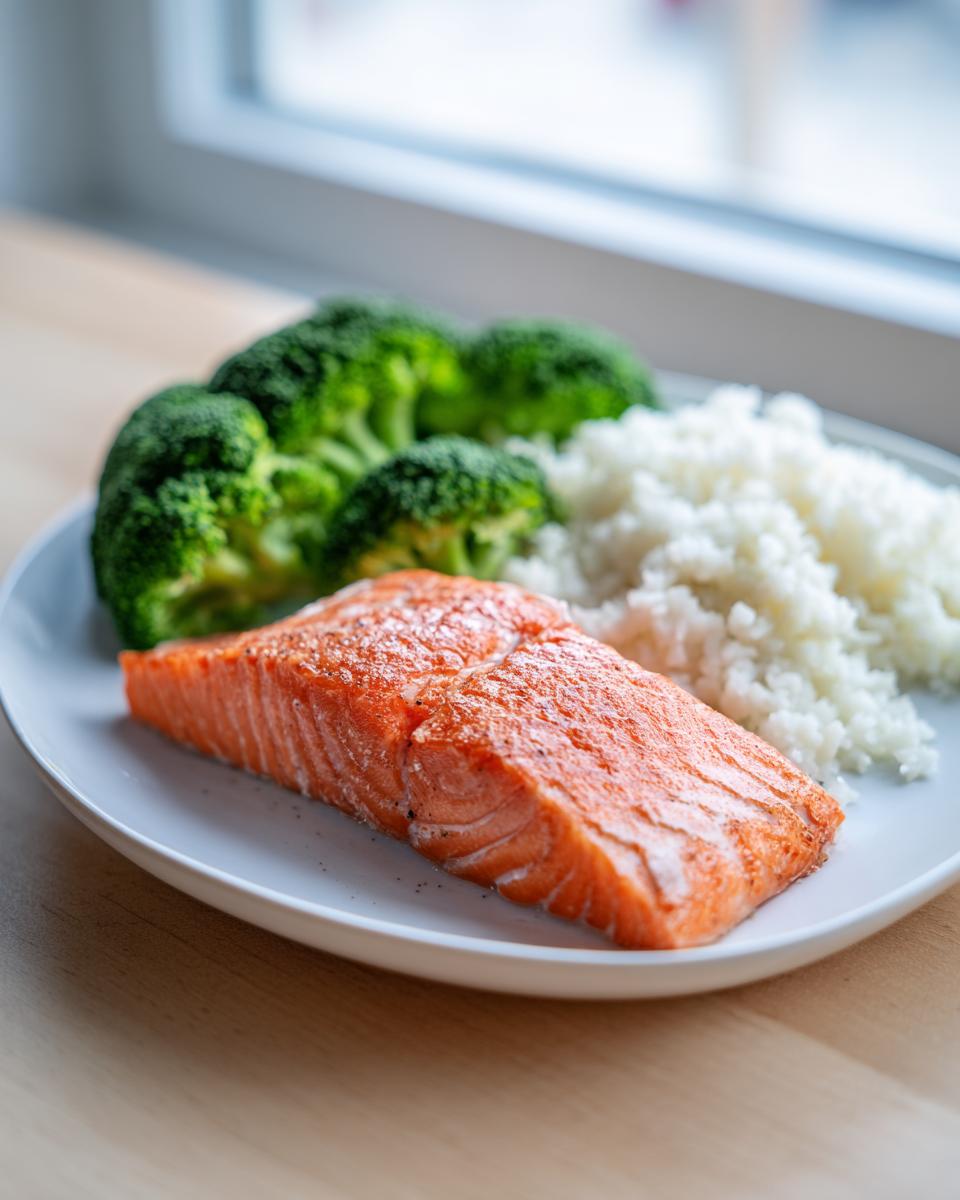
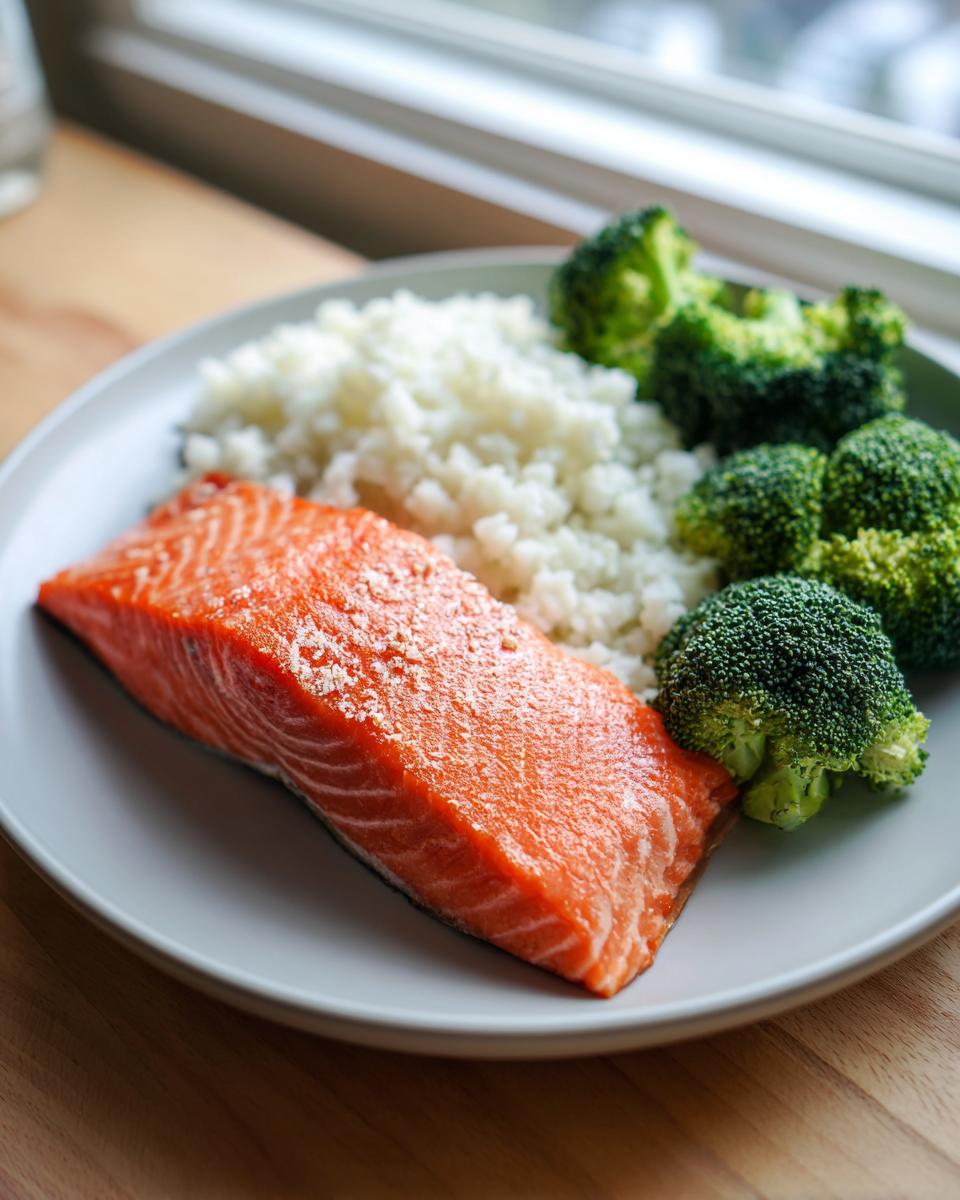
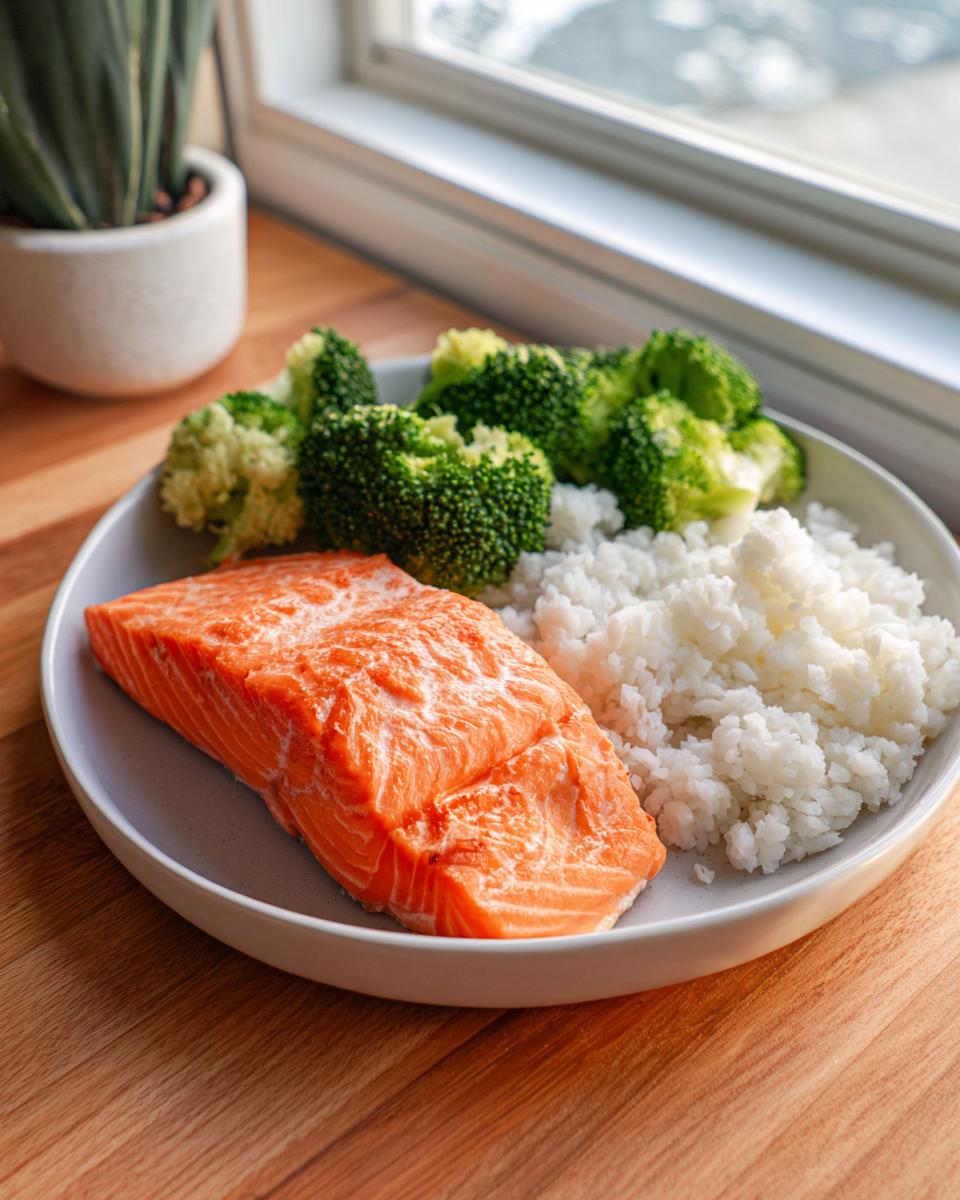
- Dinner: Aim for a rotation here too—salmon one night, lean beef the next. Pair it with your cooked veggies like broccoli or zucchini. If you’re doing shrimp, a quick stir-fry with lots of non-starchy veg is perfect.
- Snacks: These are your insurance policies against hunger pangs. Cottage cheese or a couple of hard-boiled eggs are easy to grab when you hit that 3 PM slump.
Integrating Activity with Your 30-Day Lean Cut Meal Plan
This plan is designed to work around your training schedule, which is fantastic for supporting muscle. If you are training that day, you have the *option* to add a small serving of carbs—a little rice, some oats, or a piece of fruit—to fuel your session. If it’s a rest day, you keep those carbs out entirely to maximize fat burning.
Beyond the food, remember the other instructions! Drink water before you eat your meals—it helps with fullness and hydration. And seriously, increase your daily steps. Don’t think you need to add hours of cardio; just move more throughout the day. Good sleep is also non-negotiable for hormone balance, so prioritize that! Adequate sleep is crucial for metabolic health.
Tips for Success on the 30-Day Lean Cut Meal Plan
You’ve got the structure and the ingredients, but sticking to any plan for a full month takes a little finesse. I want you to succeed, so let’s talk about making this work for *your* life, not just some generic template. The biggest mistake people make is treating a structured eating plan like a rigid diet that can’t bend slightly. We’re aiming for sustainable habits, which means we need flexibility built right in.
The goal here is steady, predictable fat loss while holding onto every ounce of muscle you’ve built. That means we focus on consistency, smart swaps, and listening to your own body’s signals throughout the process.
Adjusting Portions for Your Body Type
This is super important, so please pay attention! The calorie estimates are a great starting point, but they aren’t gospel for everyone. If you’re a larger person who lifts heavy 5 days a week, you’re going to need more fuel than someone who is smaller and training 3 times a week. The plan is designed for people training 4–5 times weekly, but you must adjust your protein and veggie amounts based on your size and how much work you are putting in.
Don’t guess! If you feel completely drained halfway through the day, slightly increase your protein portion at lunch. If you aren’t seeing any movement on the scale after two weeks, you might need to dial back those controlled fat portions slightly. It’s about fine-tuning, not completely rewriting the plan!
Keeping Meals Interesting Through Ingredient Swaps
Thirty days is a long time to eat chicken and broccoli every night, right? This is where the ingredient rotation shines. Boredom kills adherence faster than hunger does! You have permission to swap things out, as long as you stay within the approved categories.
If you had salmon on Monday, swap it for cod or shrimp by the next Monday. If you had cauliflower rice all week, switch to zucchini noodles or green beans the following week. These simple swaps keep your palate engaged and ensure you’re still getting a wide array of micronutrients without breaking the core framework of the 30-Day Lean Cut Meal Plan. It makes the whole process feel fresh!
Frequently Asked Questions About the 30-Day Lean Cut Meal Plan
I know you’re going to have questions as you dive into this structured eating program. That’s totally normal! When you change up your routine, especially when focusing on a high-protein diet like this, clarity is key. I’ve gathered the most common things folks ask me right when they start their journey.
How often should I weigh myself during the 30-Day Lean Cut Meal Plan?
This is a massive point for managing expectations! You should only weigh yourself once per week. Pick the same day, the same time, and under the same conditions—usually first thing in the morning after using the restroom. Daily weighing is a recipe for frustration because water retention, hormones, and digestion cause fluctuations that hide your true fat loss progress. We are looking for steady, consistent downward movement over the full 30 days.
What is the best way to prepare my protein sources?
Keep it simple and clean! The best methods are grilling, baking, or poaching. Avoid deep frying or cooking in heavy sauces that add unnecessary hidden fats or sugars. For example, bake your chicken breasts with a little paprika and garlic powder, or grill your salmon until it flakes easily. If you are batch cooking, make sure your proteins are fully cooked but not dried out, as they will continue to cook slightly when you reheat them later in the week.
Can I substitute the specified vegetables?
Absolutely, as long as you stick to the spirit of the plan! The vegetables listed—spinach, broccoli, zucchini, cauliflower rice, etc.—are all low in starch and high in fiber. Feel free to swap them out for other non-starchy options like mushrooms, bell peppers (in moderation), Brussels sprouts, or kale. The goal of this structured eating approach is to keep the carbohydrate load low on most days, so avoid swapping in things like potatoes or corn. Understanding non-starchy vegetables is key to low-carb success.
Storing and Maintaining Your 30-Day Lean Cut Meal Plan Results
You’ve done the hard work of cooking, now don’t ruin it by storing things improperly! Keeping your batch-cooked meals fresh and tasty is crucial for maintaining momentum through the full 30 days. We want to make sure that grabbing your lunch on Day 15 tastes just as good as when you initially cooked it. Efficiency in storage means you stay compliant when life gets busy.
The key here is airtight containers and quick cooling. Never put hot food directly into the fridge; let it cool down on the counter for about 30 minutes first. This prevents temperature spikes that can encourage bacteria growth. Since this is a high-protein diet focusing on simple preparations, most items hold up really well for the week.
Simple Storage and Reheating Protocols
When reheating, remember that lean proteins like chicken breast can dry out fast if you blast them on high heat for too long. I always recommend reheating gently to avoid turning your perfectly cooked meal into shoe leather!
For things like rice or roasted vegetables, a splash of water before microwaving helps bring back some moisture. If you’re eating a cold meal, like a turkey salad, make sure the components are stored separately until just before eating so textures stay crisp. Keep up that water intake even when reheating—hydration matters!
| Food Item | Storage Duration (Fridge) | Reheating Method |
|---|---|---|
| Cooked Chicken/Turkey | 4–5 Days | Microwave low power (1 min intervals) or reheat in a pan with a splash of water. |
| Cooked Fish (Salmon/Cod) | 3 Days Max | Gently warm in the oven or covered skillet; fish dries out quickly. |
| Cooked Vegetables | 5–7 Days | Steam lightly or microwave covered until just tender. |
| Egg Whites/Omelets | 3 Days | Microwave briefly or eat cold if preferred. |
Understanding the Nutritional Framework of This Plan
So, what are you actually putting into your body every day on this program? It’s important to see the numbers so you understand *why* this works for fat loss while keeping you strong. This is a high-protein diet, plain and simple. We are keeping calories controlled, usually landing between 1,700 and 1,900 kcal per day, depending on your optional carb cycling choices.
The magic is in the ratios. We intentionally keep fat moderate (around 50–65g) and carbs flexible based on your activity, but the protein is locked in high—we are aiming for 160 to 190 grams daily. That massive protein intake is what protects your muscle mass while your body taps into fat stores. Remember, these numbers are estimates, so treat them as a guideline for your overall structured eating goals! Check out our main dishes for inspiration on how to prepare these proteins!
| Metric | Estimated Daily Profile |
|---|---|
| Serving Size | Per Day |
| Calories | 1,700–1,900 kcal |
| Protein | 160–190g (High) |
| Carbohydrates | 90–140g (Adjustable) |
| Fat | 50–65g |
Next Steps After Completing Your 30-Day Lean Cut Meal Plan
Wow, you made it through 30 days! That’s a huge accomplishment in structured eating. I’m Daniel, and seeing you successfully navigate this high-protein journey really fuels my mission here at Reciqa—making healthy eating achievable and joyful. Now that you’ve seen how effective this template is for fat loss, I’d love to hear about it!
Don’t just walk away! Tell me how it went. Did you find the rotation easy? Rate this 30-Day Lean Cut Meal Plan below and drop a comment sharing your biggest win this month. Your feedback helps me create even better, more practical guidance for everyone else looking to make sustainable changes.
Print
Shocking 30-Day Lean Cut Meal Plan success
- Total Time: 60 minutes
- Yield: 30 Days
- Diet: Low Fat
Description
This is a 30-Day Lean Cut Meal Plan, a high-protein structured program designed for steady fat loss while preserving lean muscle. It removes guesswork with simple, repeatable meals focusing on high protein intake and controlled carbohydrates.
Ingredients
- Chicken breast
- Turkey breast
- Lean beef
- Salmon
- Cod
- Shrimp
- Eggs & egg whites
- Greek yogurt
- Cottage cheese
- Protein powder
- Spinach
- Broccoli
- Zucchini
- Cauliflower rice
- Green beans
- Asparagus
- Mixed salad greens
- Olive oil
- Avocado
- Nuts (controlled portions)
- Herbs & spices
- Optional: Rice, oats, fruit
Instructions
- Follow the weekly meal structure for 4 weeks, repeating the template.
- Rotate proteins and vegetables across Weeks 2, 3, and 4 while keeping the structure consistent.
- For Breakfast, choose from egg white omelet with veggies, Greek yogurt with chia seeds, or a protein shake.
- For Lunch, select grilled chicken breast with green vegetables, turkey salad (with olive oil and lemon), or tuna bowl (with Greek yogurt dressing).
- For Snacks, have cottage cheese, protein pudding, a low-sugar protein bar, or hard-boiled eggs.
- For Dinner, choose salmon with broccoli, chicken with cauliflower rice, lean beef with zucchini, or shrimp stir-fry with vegetables.
- On training days (optional carb cycling), add small portions of carbs like rice, oats, or fruit to your meals.
- On rest days (optional carb cycling), keep carbohydrate intake very low.
- Weigh yourself once per week under the same conditions to track progress.
- Prioritize good sleep for hormone balance supporting fat loss.
- Drink water before meals.
- Increase daily steps or add cardio instead of drastically cutting food intake.
Notes
- Portions should be adjusted based on your individual body size and training volume.
- The plan is designed for individuals training 4–5 times per week.
- Use water or unsweetened almond milk for protein shakes.
- For salads, use olive oil and lemon juice for dressing when applicable.
- Ingredient swaps within the weekly structure prevent boredom over the 30 days.
- Prep Time: 30 minutes
- Cook Time: 30 minutes
- Category: Meal Plan
- Method: Structured Meal Rotation
- Cuisine: General/Flexible